Browse

Latest Headlines

Fresh headlines, crisp visuals — faster reading.

Taylor Brown's Insightful Jury Analysis Sparks 'Big Brother' Buzz

Taylor Brown's Insightful Jury Analysis Sparks 'Big Brother' Buzz

Big Brother runner-up Taylor Brown picked up a vibe from some jury members while she was pleading her case to win the game. “I don't know if you guys know — I'm very big on body language and just reading the room as to what was going on,” Taylor, 28, exclusively told Us following the season 28 finale on Thursday, October 1. “Between Angela [Murray], Dee [Valladares] and Melody [Morris] alone, I knew that their body language was [off].” Taylor was referring to the moment when she responded to multiple questions from members of the jury which consisted of Angela, Dee, Melody, LaTrice “Lala” Verrett, Barrett Pfeiffer, Yash Patel and Drew Campbell. While Taylor was speaking, she noticed there was a difference in Angela’s facial reactions when she spoke compared to Rick Devens. One moment fans noticed instantly online was when Angela, 52, shook her head at Melody, 24, after Taylor tried to take credit for Lyric Medeiros’ eviction (Devens, 42, later clarified that his alliance orchestrated the blindside.) “Every time I would speak, her face would frown up,” she said. “Maybe I'm over reading [or] wrong, or whatever the case may be.” While Taylor isn’t sure what was really going on in Angela, Melody or Dee’s mind, she already had a feeling that she wouldn’t have their votes to win the game. “But I kind of already knew, and just being in the house, I lived with these people. The things that they would say about me, or the way in which they perceived me, I kind of already knew how the vote was going to go,” she said. “Dee and Angela working so closely with Devens throughout the season.” Taylor also told Us that she did not feel intimidated by the jury’s reaction to her response while pleading her case to win. “Oh no, never that. I don't operate off fear at all,” she added. While Taylor’s observant strategy impressed fans and even host Julie Chen Moonves, it wasn’t enough to sway the jury as they awarded Devens the $750,000 prize. Taylor earned one vote from her ally Lala and $75,000 for second place. Taylor’s biggest move of the season was actually convincing Devens to take her to the final two over his ally Drew Campbell. “I was convinced that [Devens] was going to take Drew, and he kind of did this intimidation tactic with me several days before, where he was like, ‘You need to take me to final two because I'm not going to vote for you. I'm gonna tell other people not to vote for you’. So I sat on it and I said, you know what? I'm gonna pull a reverse Uno card,” she told Us. “And that's exactly what I did, and it worked out. I waited until the last minute to do it because I didn't want to give him too much time to think about it or to ask Drew about it.” While Taylor told Devens that he wouldn’t get her vote if she was sent to the jury, she confessed that was actually a lie. “I would have voted for Devens,” she admitted. However, if Taylor had won that final HoH, there was no way she would have taken Devens to the end. “Did you see the way he just articulated his game? We all know he was cutthroat,” she quipped. “He was the best overall player, and that's why he won and got America's favorite.”

Oct 02, 2026
The Shocking Phone Call That Changed Everything for Owen Grayson

The Shocking Phone Call That Changed Everything for Owen Grayson

6 months after our divorce, a doctor called and said, “Your son was born early this morning.” I didn’t even know my ex-wife had been pregnant. I drove straight to the hospital demanding answers, but when she looked at me and said, “I tried to tell you,” I realized the end of our marriage had not happened the way I remembered it at all.6 months after my divorce became final, I was sitting in a downtown Atlanta conference room with a pen hovering over an agreement tied to a $940 million development project when my phone rang.Normally, unknown numbers went to voicemail.For some reason, I answered.“Mr. Grayson?”“Yes.”“This is Dr. Lena Foster from Cumberland Regional Medical Center in Tennessee. I’m calling about your former wife, Nora Hale.”My hand tightened around the phone.“Is she all right?”“She’s stable now. But she developed serious pregnancy complications this morning, and we had to deliver her baby at 32 weeks.”I froze.Pregnancy?Then the doctor said the words that made everything else in the room disappear.“Your son was born early this morning.”I couldn’t speak.“My son?”“Yes. Ms. Hale identified you as the father in her medical records. When her condition worsened, her sister confirmed your number for us.”Around me, investors and attorneys were waiting for my signature.None of them mattered anymore.“Nora never told me she was pregnant.”There was a pause.“I think the 2 of you need to discuss that directly.”“Is she okay?”“Yes. Exhausted, but stable. Your son is in the NICU.”“I’m coming.”I stood.My business partner, Damien Cross, looked up.“What happened?”“I have a son.”Something flickered across his face.It disappeared almost immediately.At the time, I thought it was surprise.Later, I understood it was fear.One of the lawyers gestured toward the contract.“We can delay the signing by an hour.”“I’m not coming back today.”Damien rose.“Owen, this project has taken 3 years.”“My son has been alive for a few hours.”I left.During the drive to Tennessee, all I could think about was Nora.We had been married for 7 years.When I started Grayson Development, Nora had helped me build financial models at our kitchen table. She was a forensic accountant, patient and frighteningly good at spotting patterns other people missed.Then the company grew.Damien joined during our 3rd year and eventually became COO.I trusted him completely.He had broad operational authority, approval access over major projects, and administrator privileges over the company communications platform we used for business calls, voicemail, and corporate email.Meanwhile, my marriage slowly became something I expected to survive without enough attention.I missed dinners.Canceled trips.Worked through anniversaries.Nora kept telling me she didn’t need a bigger house or another vacation promised for “after the next deal.”She needed me to come home.About 8 months before my son was born, I returned from a 2-week business trip and found Nora waiting at the kitchen table with printed invoices.“You need to see these.”I barely put down my bag.“What are they?”“Rivergate payments.”Rivergate was the massive project I had been working toward for years.She pointed to several vendors.“These companies have different names, but some share addresses, billing patterns, and transfer destinations.”“Okay.”“Owen, there are millions involved.”I looked closer.Several approvals carried Damien’s authorization.Nora noticed my expression.“I asked him about 1 of the vendors.”That irritated me more than it should have.“You contacted Damien?”“Yes.”“You haven’t worked for the company in years.”“I know what frau:dulent billing looks like.”“Then let our finance team handle it.”“What if the problem is inside the finance team?”I was exhausted and defensive.“You’re making accusations based on documents you found by accident.”“I’m trying to protect you.”The argument exploded from there.Soon we weren’t talking about invoices anymore.We were talking about years of missed dinners and broken promises.Finally Nora said, “You protect that company harder than you protect us.”“That’s not fair.”“Isn’t it?”I said the sentence I regretted almost immediately.“Maybe we need some space.”Her face changed.“Is that what you want?”I should have said no.Instead, I stayed silent.The next morning, Nora packed a suitcase and drove to her sister Leah’s home in Tennessee.The following day, Damien called her.I wouldn’t learn that until much later.He demanded to know what financial records she had copied.Nora refused to tell him.Then he claimed I was furious and wanted all future communication handled through attorneys.Nora didn’t fully believe him.But 2 days later, Damien walked into my office with an email that appeared to come from a small Tennessee law practice representing Nora.It said she wanted a divorce and requested no direct contact.I was hurt, angry, and stupidly proud.“She wants to end it?”Damien sighed.“I’m sorry.”I should have picked up my phone.Instead, I told my attorney to file.Nora was served in Tennessee.From her perspective, she had left after one terrible argument and I responded by filing for divorce.From mine, I believed I was simply giving her what she had requested.Neither of us called the other.Because our finances were already largely separated by agreement, we had no children that I knew of, and neither of us contested the filing, the divorce moved quickly.It became final about 6 months before our son was born.9 days after Nora was served, she discovered she was pregnant.She called me 6 times.I never saw the calls.She left 3 voicemails.I never heard them.She sent a message through the business number I used for almost everything.Nothing.She emailed my corporate account.Nothing.Finally, she called my executive assistant and said only that she urgently needed to speak with me about a personal matter.She did not mention the pregnancy.My assistant had already been told by Damien that, because of the divorce, all communication from Nora had to be redirected to legal.Nora assumed I had made that decision.After several days, she sent one final message.Then she stopped trying.I knew none of that when I reached the hospital.Dr. Foster met me outside Nora’s room.“Before you go inside, you should know something.”“What?”“Nora believes you knew about the pregnancy.”“That’s impossible.”“She says she tried repeatedly to contact you.”“I never received anything.”The doctor studied me.“I’m not deciding what happened. I’m only asking you not to turn this into an argument tonight.”“I won’t.”Nora looked pale and exhausted when I entered.The moment she saw me, her expression hardened.“Why are you here?”“The hospital called.”She gave a humorless laugh.“So now you answer.”“What does that mean?”“I called you 6 times.”My stomach dropped.“I never got them.”“I left 3 voicemails.”“I never heard them.”“I emailed you.”“Nora—”“I called your office.”“I swear to you, I didn’t know.”She reached for her phone.Then she showed me her final message.Owen, I don’t understand why you won’t answer me. I’m pregnant. I’ve called, left messages, emailed, and even contacted your office. You were the one who filed for divorce. I never wanted our marriage to end. If you truly want me gone, I’ll stop trying. But you deserve to know about the baby.The message had shown as delivered.But I had never seen it.“I didn’t get this.”Her eyes filled.“I waited for weeks.”“I thought you wanted the divorce.”She stared at me.“What?”I told her about the email Damien had shown me.Nora slowly shook her head.“I never hired a lawyer before you filed.”My chest tightened.“Never?”“No.”I sat down.Then another memory surfaced.Shortly after our separation, my company phone had been replaced.Our IT department had transferred everything to a new device connected to the company communications platform.Damien had personally brought the phone to my office.I stepped into the hallway and called our head of IT, Victor Lane.“I need archived records from my communications account from 7 months ago.”“What kind?”“Calls from Nora. Voicemail access. Routing changes. Blocked contacts. Corporate email rules.”“What happened?”“Do not tell Damien I called you.”There was a pause.“Understood.”Then I went to meet my son.He weighed 3 pounds, 9 ounces.He looked impossibly small beneath the wires and monitors.“What’s his name?” I asked.“Lucas Hale.”Nora’s last name.It hurt for about half a second.Then I realized she had every reason to use it.As far as she knew, I had heard she was pregnant and chosen silence.I reached through the opening in the incubator.Lucas wrapped his tiny hand around my finger.I cried.Not quietly.Not gracefully.I had spent years walking into rooms where hundreds of millions of dollars were discussed as if they were numbers on a screen.Nothing had ever made me feel smaller than that tiny hand.Just after midnight, Victor called.“We found the calls.”My heart started pounding.“All 6?”“Yes.”“What happened?”“Nora’s number had a specific routing rule attached to it inside the corporate phone system. Her calls were diverted before they reached you.”“To where?”“An internal extension controlled by Damien.”I closed my eyes.“The voicemails?”“3 were received and later deleted through an administrator account.”“Whose?”“You know whose.”“And the message?”“Her number had been added to a blocked-contact rule. The system recorded the message as delivered to the service, but it was filtered before appearing normally on your device.”“What about her email?”“A mailbox rule moved messages from her address into an archive folder.”“Created by?”“Damien’s admin credentials.”I leaned against the wall.“Preserve everything.”“We already are.”“One more thing. Find the email Damien showed me from Nora’s supposed attorney.”Victor found it before sunrise.The law office did not exist.The email domain had been registered 2 days before Damien showed it to me.The registration and related activity traced back to devices and administrative resources under his control.The divorce had begun with a fabrication.But I still didn’t understand why.Nora did.When she woke, I told her what Victor had found.Her face went pale.“The Rivergate invoices.”“What about them?”“I made copies.”“How much did you find?”“Almost $11 million in suspicious payments before I stopped looking.”She explained that multiple companies appeared independent on paper but shared addresses, owners, transfer routes, or billing patterns.Damien’s approvals appeared throughout the transactions.“After I left,” she said, “he called demanding the copies.”“And you refused.”“Yes.”Everything finally connected.Damien needed Nora away from me because she had discovered the fra:ud.So he created an email convincing me she wanted a divorce.I responded exactly as he hoped.Then Nora discovered she was pregnant.If she reached me, we might talk.If we talked, she might tell me why she had really left and what she had found.So he intercepted the calls, erased the voicemails, filtered the message, buried the email, and used his authority to keep her away from me.I suspended the Rivergate signing immediately and hired an independent forensic team.This time, I didn’t confront Damien.I wanted proof first.Over the following weeks, investigators uncovered a network of shell vendors connected to the project.Millions had already been siphoned away through inflated consulting and acquisition expenses.Investigators connected the financial approvals and communications mani:pulation to accounts, devices, and administrative access controlled by Damien.Only after the evidence was secured did the board remove him.He denied everything.Then the investigators showed him the records.He stopped talking.Months later, cri:minal charges were filed in connection with the financial sche:me.But I refused to tell myself Damien had destroyed a perfect marriage.He hadn’t.He exploited a damaged one.He lied.He mani:pulated us.He deliberately created silence.But I was the man who had chosen pride over one phone call.I had dismissed Nora when she tried to warn me.I had become so consumed by work that believing she had suddenly left me was easier than asking why.Damien built the trap.I helped close the door.Lucas remained in the NICU for 7 weeks.I stayed in Tennessee.At first, Nora thought I was there because I felt guilty.She wasn’t entirely wrong.But eventually guilt became something else.I learned how to change a diaper around wires.I learned what every alarm meant.I learned how terrifying 10 seconds could become when your child was struggling.And Nora and I began talking again.Not about remarriage.About everything we should have said before the divorce.“I needed you to choose us sometimes,” she told me.“I thought working this hard was choosing us.”“It wasn’t.”“I know.”That time, I didn’t defend myself.When Lucas finally went home, Nora took him to Leah’s house temporarily.I rented a place nearby.Then I took parental leave.For years, I had convinced myself my company couldn’t function without me.It did.That was one of the most humbling discoveries of my life.Nora and I started counseling so we could become good co-parents.That was all we promised each other.Then months passed.Coffee after pediatric appointments became dinner.Dinner became long conversations.We learned how to argue without disappearing.I learned to put my phone down.She learned to tell me when something hurt before resentment had months to grow.Almost a year later, Lucas pulled himself upright against Nora’s couch.My phone buzzed with a board call.I looked at the screen.Then silenced it.Nora noticed.“Aren’t you supposed to answer that?”Lucas let go of the couch, stood alone for a second, then fell into my arms laughing.I smiled.“They can survive without me for 10 minutes.”Nora looked at me differently.“You really have changed.”“I should have changed sooner.”Nearly 2 years after Lucas was born, Nora and I remarried.It was small.Family, a few close friends, and Lucas in tiny suspenders trying to escape halfway through the ceremony.There were no business reporters.No investors.No expensive ballroom.And for once, I wasn’t thinking about what meeting came next.Sometimes I still think about the morning Dr. Foster called.My pen had been inches from an agreement tied to a $940 million project.I thought I was seconds away from the most important moment of my career.Then a doctor said:“Your son was born early this morning.”I didn’t know I had a son.I didn’t know Nora had been pregnant.I didn’t know she had called me 6 times, left 3 voicemails, sent a message, emailed me, and contacted my office.Someone had made sure I never received any of it.But the hardest truth wasn’t that Damien lied.It was that his plan worked because Nora and I had already stopped speaking directly when it mattered most.He created the silence.Our pride allowed it to grow.And I learned something I will never forget:Never let somebody else tell you what a person you love supposedly thinks when you still have the ability to ask them yourself.Sometimes silence doesn’t mean there is nothing left to say.Sometimes the message was sent.You just never received it.

Oct 02, 2026
Brooke Eby's Legacy: How Her Humor Changed the ALS Conversation

Brooke Eby's Legacy: How Her Humor Changed the ALS Conversation

Influencer Brooke Eby has died after a four-year battle with ALS. She was 37. “The ALS Network joins the ALS community in mourning the passing of Brooke Eby, an extraordinary advocate, storyteller, community builder and friend whose honesty, humor and determination changed how countless people understood ALS,” the ALS Network wrote in a statement shared Thursday, October 1, announcing Eby’s death. “Diagnosed with ALS at just 33 years old, Brooke made the deeply personal decision to share her experience publicly.” The statement continued, “She did so in a way that was unmistakably her own — candid, vulnerable, funny, irreverent and remarkably human. Millions came to know Brooke through her social media presence, where she offered an unfiltered window into living with ALS. She could explain a devastating reality, challenge a misconception, and make people laugh, sometimes all in the same post.” Eby, known as “limpbroozkit” on Instagram and TikTok, had been candid about her ALS journey. (Amyotrophic lateral sclerosis, also called Lou Gehrig’s disease, is a terminal neurodegenerative disease that causes worsening muscle weakness.) Amid her health battle, Eby detailed her experience via social media and also founded ALStogether to bring together individuals navigating their diagnoses. “Generally speaking, it's quite hard to know how fast I've progressed. There's really no guide with ALS,” she recalled to People in a 2025 essay. “If you were to look at 10 people with this disease in a line, I swear you wouldn't be able to tell whose progression is the fastest and whose is the slowest. There are people who have full function in terms of walking, but ALS already took their voice, whereas for me, it's the opposite.” Eby was diagnosed in March 2022 after first experiencing symptoms years earlier at age 29. “They brought up ALS about two years into that four-year journey [trying to find a diagnosis],” she noted in a 2024 social media video. “Because that was only affecting one of my limbs at that point, my left foot, it wasn’t enough for them to be able to give an ALS diagnosis or even be certain that it was ALS.” Eby eventually began experiencing symptoms on her other foot, and doctors confirmed that she had ALS. “When you get diagnosed, they tell you [that] you have two to four years to live, probably,” she acknowledged. “There’s a couple medications that might slow things down, but they’re not totally sure, and there’s no cure. … That day sucked, and so did the following couple months.” Months before her death, Eby received the Dean and Kathleen Rasmussen Advocate of the Year Award from the ALS Network. “I didn’t choose ALS, but I did choose to get loud, and be irreverent about it, so don’t worry, I’m not getting quiet anytime soon,” she said in a June acceptance speech. “I’m so grateful for this award because it tells me I’m helping in my own weird way.”

Oct 02, 2026
The Unexpected Truth Behind the Strange Stick in My Son’s Room

The Unexpected Truth Behind the Strange Stick in My Son’s Room

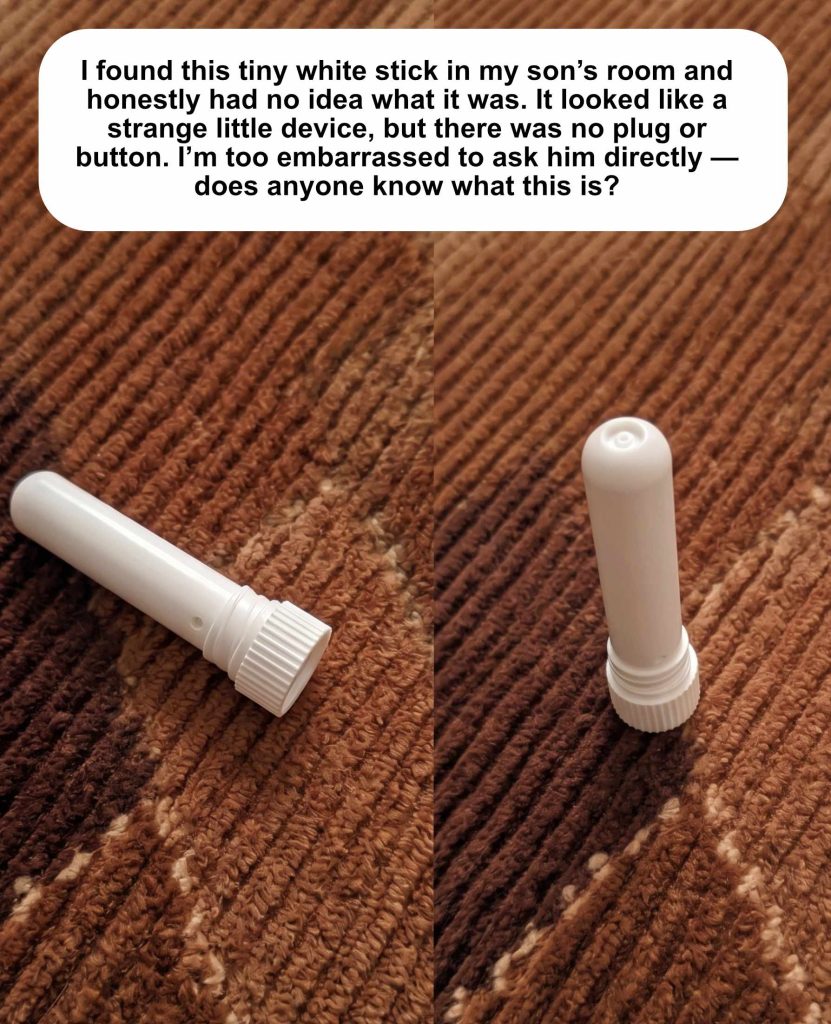
Found this strange little white device in my 16-year-old son’s room, and I’m honestly too embarrassed to ask him what it is.At first, I thought it might be one of those new USB sticks kids use for school. It was small, white, plastic, and shaped almost like a tiny flash drive or some kind of charger part.But when I picked it up, I noticed it did not have any metal plug, no charging port, no button, and no obvious label. One end had a cap-like bottom, and the top had tiny little holes in it.That made me even more confused.For a few minutes, I stood there turning it over in my hand, wondering if it was something for homework, a small electronic device, a makeup tool, or something I probably did not want to know about.I almost asked him directly.Then I stopped.Because asking a teenager, “What is this thing I found in your room?” can go in so many awkward directions.So I did what many confused parents would probably do.I took a photo and tried to figure it out myself first.After looking around online and comparing photos, I finally found the answer.It appears to be a Vicks stick, also known as a Vicks nasal inhaler or VapoInhaler.So no, it is not a USB drive.It is not a vape.It is not a charger.It is not some strange hidden gadget.It is a small nasal inhaler people use when their nose feels blocked, stuffy, or irritated.The way it works is pretty simple. Inside the plastic tube, there is usually a small absorbent wick that holds strong-smelling vapors, often with ingredients or scents like menthol and camphor. When someone opens it and inhales through the nostril, the smell gives a cool, fresh feeling that can make the nose feel more open.That explains the little holes at the top.They are not for sound, charging, or air from a device. They let the vapor come through when the person breathes in.People often use these when they have a cold, allergies, sinus stuffiness, or just want that strong menthol scent to help them feel like they can breathe easier. Some people keep one in a backpack, purse, bedside drawer, car, or jacket pocket because it is small and easy to carry.It is also very common in many households, especially during cold and allergy season.The funny part is that if you have never seen one outside its packaging, it really can look suspicious. Without the label, it looks like some tiny mystery object from a teenager’s room.But it is actually a very ordinary thing.To use it, most people remove the cap, hold it near one nostril or gently place it at the opening of the nostril, close the other nostril, and breathe in. Then they repeat on the other side. The exact directions can depend on the brand and country, so the label matters.It is usually not meant to be shared with other people, because anything used around the nose can spread germs. That is one important thing to remember, especially in a family.It should also be kept closed when not being used, because the vapors can fade if the cap is left off.For a 16-year-old, this kind of item is not automatically alarming. Many versions are made for adults and older children, and some are labeled for ages 12 and up. Still, it is always smart to check the packaging if available, because some nasal inhalers are non-medicated scented sticks, while others are actual decongestant products with more specific usage limits.That means it should be used as directed, not constantly all day, and not treated like candy or a toy.Some people may feel temporary burning, stinging, sneezing, or extra nasal discharge after using a nasal inhaler. That does not always mean something dangerous is happening, but if it causes irritation, discomfort, or symptoms that do not go away, it is better to stop using it and ask a doctor or pharmacist.It should never be swallowed, taken apart, or used in a way that is not written on the label.The biggest misunderstanding is that many people see a small plastic stick like this and immediately think it must be something modern or suspicious. But in reality, Vicks-style inhaler sticks have been around for years. They are just portable, pocket-sized ways to get that familiar menthol vapor smell.So if you find one of these in a room, bag, bathroom drawer, or jacket pocket, the most likely answer is simple.It is a nasal inhaler stick.A little menthol-scented breathing aid.Not a secret USB.Not a strange device.Not something to panic over.Honestly, I felt a little silly after finding out what it was. I had spent all that time imagining the worst, and it turned out to be something people use when their nose is stuffy.Still, I can see why so many people would be confused by it.Without the box or label, it really does look like a mystery object.

Oct 02, 2026
Trump's Bold Claim About 'Cornell 7' Frat Case Sparks Controversy

Trump's Bold Claim About 'Cornell 7' Frat Case Sparks Controversy

See more of our coverage in your search results. President Trump predicted that the seven fraternity brothers accused of raping a female classmate at Cornell University won’t get a “fair shake” with Letitia James on the case, calling the New York attorney general a “corrupt person.”“Tisha James is a corrupt person. She’s totally corrupt, and I can’t imagine it,” the president told reporters at the White House when asked about James’ appointment as special prosecutor in the case.President Trump predicted that the seven fraternity brothers accused of raping a female classmate at Cornell University won’t get a “fair shake” with Letitia James on the case. AP Photo/Alex BrandonNew York State Gov. Hochul on Friday directed directed James (above) to take over the criminal investigation of the Cornell gang rape case. Robert Miller for NY Post“And I feel badly for whoever she’s looking at because they won’t get a fair shake. Letitia James is a corrupt person.”Trump has a long history with James, who prosecuted him and his Trump Organization after he left the White House in his first term. She charged Trump and his associations — including his eldest two sons — of inflating the value of their real estate business.Here’s the latest on the ‘Cornell 7’ frat probe: Outraged Cornell students, parents demand accountability in Jane Doe gang-rape case: ‘Fight like hell’ ‘Deeply disturbed’ Hochul rages at how ‘brave’ Cornell 7 accuser was ‘failed at every turn’ The sick, online posts that pushed Cornell 7 rape accuser to go to cops: ‘I was a sex doll’ Everything we know about explosive ‘Cornell 7’ rape case shocking the nation At the time, the New York AG won a massive $454 million civil judgment against Trump’s business, but that was overturned by a state appeals court last year.President Donald Trump speaks to reporters on the South Lawn of the White House before boarding Marine One on Oct. 2, 2026, in Washington. AP Photo/Mark SchiefelbeinThe Chi Phi Fraternity House is pictured on the Cornell University campus in Ithaca, N.Y., on Wednesday, Sept. 30, 2026. Lone Pine Press for NY PostTrump’s Justice Department went on to charge James in 2025 with one count of bank fraud and one count of making a false statement to a financial institution in connection with a second home purchase in Virginia that she listed as a primary residence in loan documents.A federal judge later dismissed the indictment due to the prosecutor, then-acting US Attorney Lindsey Halligan, being improperly appointed without a vote of Congress.New York Gov. Kathy Hochul (D) on Friday directed James to take over the criminal investigation of the alleged gang rape at the Ivy league university.

Oct 02, 2026
The Green Pea Puzzle That's Driving the Internet Wild

The Green Pea Puzzle That's Driving the Internet Wild

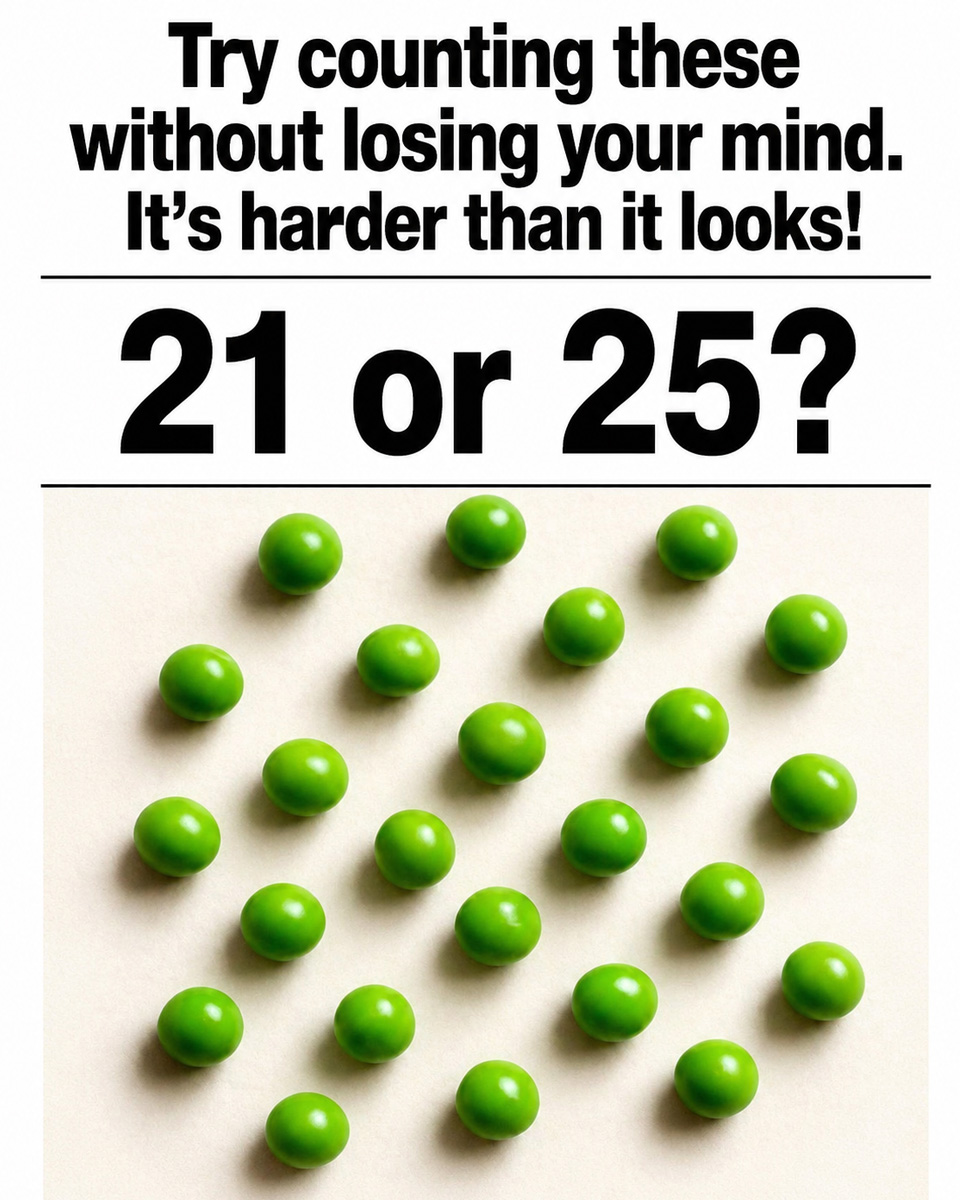
Have you ever looked at a simple picture and felt your brain instantly freeze up?That is exactly what happens when people first look at this viral green pea counting game.At first glance, it just looks like a handful of shiny green peas scattered on a clean table.The text at the top of the image asks a very straightforward question: “21 or 25?”It even adds a playful warning: “Try counting these without losing your mind. It’s harder than it looks!”You might think to yourself, “How hard can it really be to count a few green dots?”But as soon as you start pointing your finger at the screen, your eyes begin to play tricks on you.Your gaze might skip a pea, or you might accidentally count the same one twice.Do not worry, because you are definitely not alone in this struggle.Today, we are going to take a deep breath, slow down, and solve this visual mystery step-by-step.Let us find out together if the true answer is really 21, 25, or perhaps something else entirely!Why Our Brains Get So Easily ConfusedBefore we start counting, let us talk about why this image is so frustratingly difficult.The green peas are not lined up in a perfect, straight square grid.Instead, they are arranged in an alternating, hexagonal-like pattern.This layout creates a subtle optical illusion that confuses your eyes as they jump from one dot to another.Because the rows are slightly shifted, your brain struggles to keep track of where you started and where you ended.On top of that, the bright, glossy texture of the peas makes them look almost identical.Without any unique features on individual peas, your focus easily slides across the screen.Furthermore, there is a clever psychological trick at play here.By presenting you with only two options—21 or 25—the puzzle forces your brain into a trap.This is known as a false dilemma, where you feel pressured to choose one of the given answers even if they might both be wrong.Now, let us bypass the mental traps and count them the smart way!The Step-by-Step Counting GuideTo make sure we do not lose our place, we are going to count the peas row by row, starting from the very top and moving down to the bottom.Grab your index finger, follow along, and let us do this together!The Top Half of the PatternRow 1 (The Top Row): Look at the very top of the green cluster, where we can see 3 peas sitting in a neat horizontal line.Row 2: Just below that, the next row shifts slightly to the outer sides, containing 4 peas in total.Row 3: Moving further down, the pattern narrows back inward, giving us 3 peas.Row 4 (The Middle Row): Right in the center of the cluster, we find another wide row containing 4 peas.The Bottom Half of the PatternRow 5: Below the center, the grid narrows again, showing us 3 green peas.Row 6: Next, we find another wide row stretching across, which holds 4 peas.Row 7 (The Bottom Row): Finally, at the very bottom of the cluster, we see the last 3 peas resting quietly.Now that we have successfully broken down the image into clear, manageable rows, let us add them all up.We will write down the simple equation to make sure our math is absolutely perfect:3 + 4 + 3 + 4 + 3 + 4 + 3 = 24The Brilliant Trick Behind the PuzzleIs it not absolutely hilarious?The image proudly asks you to choose between 21 and 25!Yet, the true, honest answer is actually 24!This is why so many people online argue endlessly in the comment sections of this puzzle.Some people count 24, but because they do not see “24” as an option, they assume they must have made a mistake.They then force themselves to recount until they somehow arrive at 21 or 25.Other people get frustrated and lose track halfway through, eventually just guessing one of the two numbers.It is a wonderful reminder of how easily our minds can be guided toward the wrong answer simply because of how a question is framed.The next time you see a puzzle online, remember to trust your own eyes and your own logical counting over the options given to you!

Oct 02, 2026
The Incredible Moment an Israeli Plumber Became a Hero on Flydubai Flight

The Incredible Moment an Israeli Plumber Became a Hero on Flydubai Flight

See more of our coverage in your search results. The heroic plumber who helped to stop the frenzied flydubai co-pilot from trying to crash an Israel-bound plane had a special message for his own hero, President Trump.“Tell Trump that I love him,” Yaniv Hayoun asked Israeli Prime Minister Benjamin Netanyahu when they embraced in his office Thursday, with the hero passenger still in his blood-soaked clothes.Hayoun was one of the passengers who stopped the Omani native co-pilot from crashing the flydubai jet bound for Tel Aviv on Wednesday by putting him in a headlock and dragging him out of the cockpit.Yaniv Hayoun, one of the passengers who helped subdue the hijacking suspect on Wednesday’s flydubai flight, met with Israeli Prime Minister Benjamin Netanyahu at Ben Gurion Airport. Kobi Gideon / GPOHayoun showing the Israeli PM how he is still covered in blood from the attempted terror attack. Kobi Gideon / GPOTrump’s message of love toTrump came after the US president hailed him as a hero.“An Israeli plumber, never flew a plane, was rarely in planes, very rarely flew,” Trump told reporters from the Oval Office Wednesday. “And he saw what was going on and he heard the screaming…he ripped this guy out of the seat, threw him back, the crowd got him, the passengers got him.”Hayoun reportedly helped storm the cockpit to stop the co-pilot’s alleged terror plot.e2w e2wAn investigation into the co-pilot’s motive is ongoing, with authorities probing any potential connection to terrorism.An Israeli official has since claimed the co-pilot had mused about killing Jews online, fueling suspicion the staffer may have been fueled by antisemitism.“His social media accounts [say] clearly that he has been radicalized into jihadist ideology,” they told the Times of Israel.Netanyahu claimed the staffer “underwent Islamist radical indoctrination before carrying out the cockpit attack“It looks very likely that he was going to down the plane,” he told “Fox and Friends.”Hayoun reportedly helped storm the cockpit to stop the co-pilot’s alleged terror plot. e2w“When I went in, I saw the terrorist on the control,” Hayoun told Netanyahu. “I grabbed the terrorist, put him in a hold, and pulled him outside.”  ISRAELI PRIME MINISTER'S OFFICE/AFP via Getty Images“The Islamist tendencies, that radicalization [that was] found in his background, I think that’s … a pretty good clue.” he said.It remains unclear how the staffer worked the flight, which was eventually landed by two off-duty pilots in Saudi Arabia, since Oman doesn’t have any diplomatic relations with the Jewish State.

Oct 02, 2026
Outrage Erupts as Larry Nassar Removed from Sex Offender Registry

Outrage Erupts as Larry Nassar Removed from Sex Offender Registry

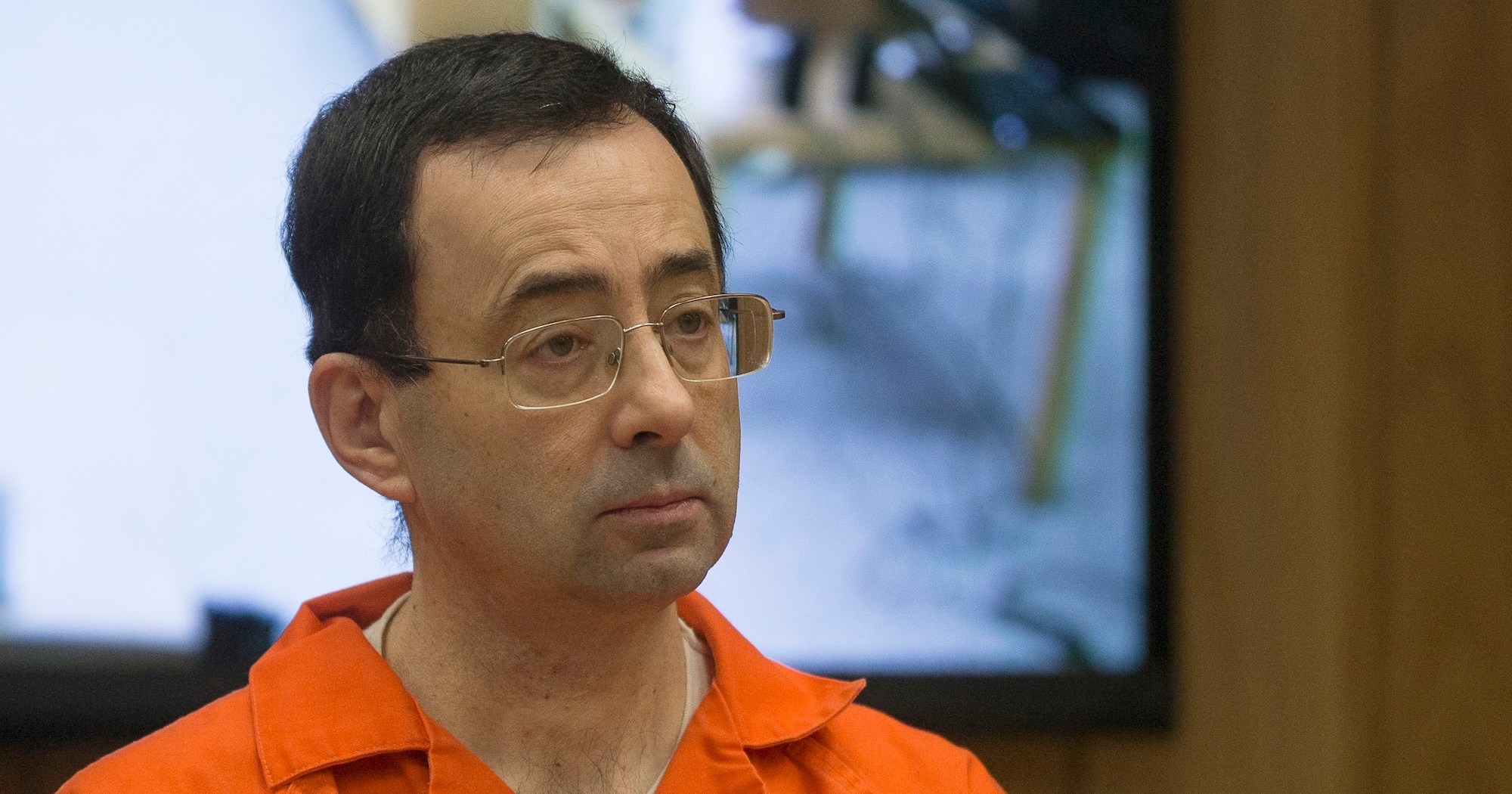
Disgraced former USA Gymnastics doctor Larry Nassar is among the more than 20,000 people whose names have been removed from Michigan’s sex offender registry. The controversial move comes after the Michigan Supreme Court ruled on September 9 that the state cannot retroactively apply its current registration requirements to those who committed sex offenses before July 2011. Nassar, 63, is currently serving a 40- to 175-year prison sentence for sexually abusing hundreds of young girls during his time with USA Gymnastics and as the team doctor at Michigan State University. He is also facing 60 years in prison due to additional child pornography charges. The court’s ruling does not affect his prison sentences. The Easton County Prosecutor’s Office released a statement via Facebook on Sunday, September 27, railing against the ruling, calling out Nassar and former Lansing doctor Kassem Hallak by name. Hallak, 67, was convicted in 2013 of criminal sexual conduct involving several female patients. He was sentenced to seven to 15 years in prison and has since been released. “The Michigan Supreme Court’s decision to eliminate [Sex Offender Registration Act] requirements for these offenders is deeply concerning. Our community, along with the victims of these crimes, expected the registry to provide a measure of protection and awareness — assurances that have now been removed by the Court’s ruling,” the statement read. “Reversion to the version in existence in 2011 was an option for the court and would have allowed for sex offenders to remain on the registry. Rather the court chose to toss the scalpel aside and use a chainsaw.” Since the allegations against Nassar first came to light, many of his victims have spoken publicly about what they endured. In 2018, 141 survivors of his abuse appeared on stage at the ESPYs to accept the Arthur Ashe Courage Award. “Speaking up and speaking out is not easy,” former gymnast Sarah Klein told the crowd. “Telling our stories of abuse over and over and over again in graphic detail is not easy. We’re sacrificing privacy. We’re being judged and scrutinized. And it’s grueling and it’s painful, but it is time.” Team USA gymnast Aly Raisman also spoke, revealing all the times Nassar’s victims spoke up about what they endured, only to be ignored or for his actions to be rationalized. “All those years we were told, ‘You are wrong. You misunderstood. He’s a doctor. It’s OK. Don’t worry, we’ve got it covered. Be careful. There are risks involved,’” she said. “The intention? To silence us in favor of money, medals and reputation. But we persisted, and finally someone listened and believed us.”

Oct 02, 2026
Hayden Panettiere's Missing Engagement Ring Sparks Questions

Hayden Panettiere's Missing Engagement Ring Sparks Questions

The late Hayden Panettiere’s engagement ring from her ex-fiancé Wladimir Klitschko went missing in the final days of her life, Us has exclusively learned. A source tells Us that the sentimental piece of jewelry is nowhere to be found. (Panettiere and Klitschko were together on and off from 2009 to 2018 and got engaged in 2013. They shared 11-year-old daughter Kaya.) “Hayden's engagement ring from Wlad that she's held onto for all this time is missing," the source revealed to Us. Those closest to the Heroes actress suspect the ring was taken from her. "Friends and family think that someone who was with her in her final days took it when they were pawning her things," the insider added. Us has reached out to Panettiere’s representatives for comment. The ring featured an emerald-cut center diamond with a split-shank setting and was estimated to be worth as much as $500,000, per contemporary reports. At the time of her engagement, Panettiere revealed to E! News that she personally worked with Montblanc to design the engagement ring of her dreams. "They made me this amazing book where they did a bunch of sketches," Panettiere told the outlet in 2013. "I told them my idea over time and tweaking things here and there, it came to fruition." Us previously obtained a detailed report from the Greenville County Coroner’s Office in South Carolina, which noted that Panettiere’s on-again, off-again boyfriend, Brian Hickerson, or his brother Zach Hickerson had told authorities the star “was in a drug rehab facility” in Malibu “up until a few weeks” before her death on August 16. (The coroner determined that Panettiere’s death was accidental, caused by the “toxic effects of fentanyl, 4-ANPP, alprazolam, methocarbamol and quetiapine.”) Hayden’s father, Skip Panettiere, confirmed to police that she “had recently been released [from] rehab” after spending “two or three weeks” in treatment. Skip, 67, noted that Hayden “struggled with addiction since her early 20s” and had been “in multiple rehab facilities since that time.” Authorities reported that Skip described Hayden’s relationship with ex Brian, 37, as “nothing but troubled.” A 2020 domestic violence altercation between Brian and Hayden in Wyoming resulted in the couple breaking off their relationship after dating for two years, though he continued to spend time with the Nashville star on and off until her death. (Brian was sentenced to 45 days in county jail in 2021 after pleading no contest to two felony counts of injuring a partner. He was ordered to complete four years of formal probation and 52 domestic violence classes, pay $500 in restitution and obey a five-year protective order as part of his plea.) Hayden wrote about the volatile nature of her relationship with Brian in her 2026 memoir, This Is Me: A Reckoning, including recalling the first time he allegedly hit her. She remembered Brian screaming before striking her, displaying rage “like I’ve never seen before.” “I hear it before I feel it, the unmistakable sound of an open-hand slap,” Hayden wrote. “There’s the burning on my cheek, like I’m on fire. There’s ringing in my head.” She continued, “None of it happened, at least for me. If I think about it, it’s real. But it wasn’t real, I can play tough and will it away and it’s gone. Buck it up, then wipe it off the whiteboard and delete it from the tapes. I love this man and this wasn’t him. It couldn’t have been him, not in a million years.” Brian responded to allegations in Hayden’s memoir by saying he was in Alcoholics Anonymous after being in “such a dark place” during his relationship with the actress. He told TMZ in May that “everyone should read” the book, adding that he “did it” in relation to her domestic violence accusation. Police reported that Brian and his brother Zach were at the scene when Hayden was pronounced dead in a Greenville, South Carolina, apartment in August. A coroner’s report determined that there were “no signs of trauma” discovered by investigators. Brian’s attorney Sloan Ellis released a statement on his behalf four days after the actress’s death, noting that the case “remains under investigation and it is important to allow that investigation to proceed.” “As has been publicly reported, police confirmed there were no signs of foul play,” Ellis told Us on August 20. “Out of respect for Hayden’s loved ones and the ongoing investigation, there will be no further comment at this time.” Last month, Hayden's estranged mother, Lesley Vogel, alleged to The New York Times that Brian had once pawned "some of" her daughter's belongings, including a vintage guitar. He did not publicly address the claim. Us reported that a memorial service was held for Hayden in Malibu on September 19. Hayden’s Nashville costar Connie Britton, Evan Ross and Ruby Rose were among the mourners in attendance to pay tribute to her life and legacy. (Brian was not in attendance.) If you or someone you know is struggling with substance abuse, contact the Substance Abuse and Mental Health Services Administration (SAMHSA) National Helpline at 1-800-662-HELP (4357). If you or someone you know are experiencing domestic violence, please call the National Domestic Violence Hotline at 1-800-799-7233 for confidential support.

Oct 02, 2026
Why This Woman's Mother-in-Law is at the Center of a Home Ownership Dispute

Why This Woman's Mother-in-Law is at the Center of a Home Ownership Dispute

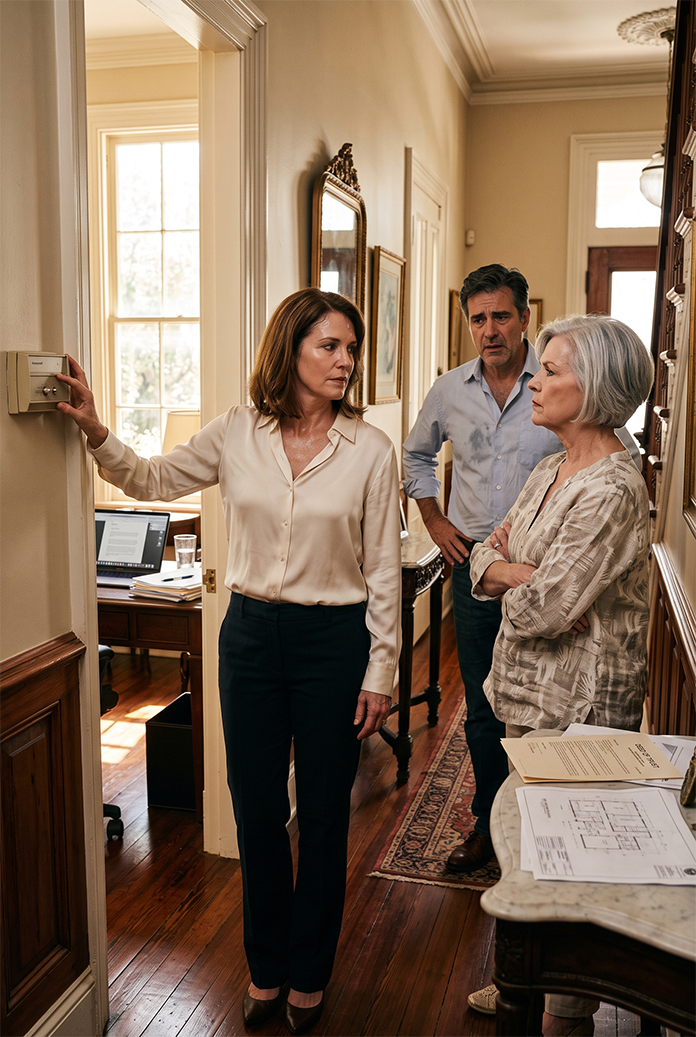
My mother-in-law kept turning off the air-conditioning in the house I inherited from my father. When I complained, my husband told me to “just turn it back on.” Then she said, “This is my son’s house too.” That sentence stayed with me. The next day, I found a folder hidden among our household papers. When my husband came home and saw it on the table, his face went pale.By the time I realized the upstairs air-conditioning had been turned off again, the back of my blouse was already damp with sweat.Outside, Savannah was baking under a July afternoon close to 95 degrees. I had an important video conference starting in less than 20 minutes, and the upstairs bedroom I used as my home office was already becoming unbearable.I opened the thermostat app on my phone.The upstairs cooling zone had been manually switched off.Again.When I stepped into the hallway, my 69-year-old mother-in-law, Lorraine Bennett, was standing beside the thermostat.“Did you turn off the air-conditioning?”She folded her arms.“There’s no reason to cool an entire floor because you want to sit upstairs with a laptop.”“I told you this morning I had an important meeting.”Lorraine laughed.“Claire, you work on a computer. Stop behaving like you’re running the Pentagon.”Once, I would have argued.That day, I was simply tired.Lorraine had moved into my house 2 years earlier after her lease ended. My husband, Owen, promised it would only be for a few weeks.A few weeks became months.Months became 2 years.I never charged her rent.I paid the property taxes, insurance, electricity, repairs, and most of the groceries.Yet Lorraine gradually stopped behaving like a guest.She rearranged my kitchen. She invited relatives over without asking. She removed photographs of my late father because she thought they made the dining room depressing.And she constantly referred to the property as “Owen’s house.”The house had belonged to my father.He left it to me 6 years earlier, before Owen and I married.Lorraine knew that.Whenever I corrected her, she would say, “I know your name is legally on it, but you’re married. It belongs to both of you in every way that matters.”That afternoon, I called Owen.He answered after several rings.“I’m about to go into a meeting. What happened?”“Your mother shut off the upstairs air even though she knew I was working.”He sighed.“Just turn it back on.”“That’s not the point.”“Then what is?”“The point is that your mother thinks she gets to decide when I’m allowed to use utilities in my own house.”Another sigh.“Claire, please don’t phrase it like that.”“Did you know she was upset about the electric bill?”“Yes.”“I pay the electric bill.”“I know.”Those 2 words did something to me.Owen knew.He knew I paid the bills.He knew his name was not on the deed.He knew his mother treated my home like family property anyway.And he had decided that keeping her happy was easier than correcting her.I ended the call, turned the cooling back on, and carried my laptop downstairs.For the first time, I wasn’t angry.I was paying attention.That evening, Lorraine met Owen at the door.“Your wife thre:atened me over the thermostat.”“I told you not to shut off the air while I was working,” I said.“In my son’s home.”I looked directly at Owen.He said nothing.“Lorraine, whose house is this?”She frowned.“Legally? Yours. Nobody is disputing that. But Owen is your husband.”I kept looking at him.“Is that how you see it too?”Owen rubbed his forehead.“Why are we turning this into some huge property dispute?”“Because your mother keeps calling my father’s house yours, and you never correct her.”Lorraine scoffed.“A wife shouldn’t constantly remind her husband that he doesn’t own the roof over his head.”“And someone living here rent-free shouldn’t decide whether the homeowner is allowed to use the air-conditioning.”Her face went red.“I knew you’d eventually throw that in my face.”“I stated a fact.”She turned to Owen.“Are you going to let her speak to me like this?”Owen looked at me.“Can you apologize so we can just have dinner?”I stared at him.“For what?”“For making Mom feel unwelcome.”Something inside me went completely still.“I think your mother has felt far too welcome.”I picked up my laptop and went upstairs.That night, I remembered something.About 3 months earlier, Owen had brought home a folder.“We should finally update our estate planning,” he said. “Look through these when you have time. If everything looks right, we can have them properly signed next week.”I had told him I wanted to read every page carefully.By the next morning, the folder was gone.At the time, I hadn’t thought much about it.Now I did.The following afternoon, I called Natalie Park, the attorney who had handled my father’s estate.She confirmed that the house remained solely mine.“No one can legitimately transfer ownership or borrow against the property without your participation,” she told me.Then I mentioned Owen’s estate-planning papers.“Did you sign anything?”“No.”“Good. If you find those documents, read every page.”That evening, while looking for an insurance policy in the filing cabinet Owen and I both used, I noticed a blue folder pushed behind several years of old tax records.Owen rarely touched that cabinet except during tax season. He probably assumed I wouldn’t either.Across the folder, in his handwriting, were the words:HOUSE OPTIONS.I opened it.The first document was a contractor’s estimate.Garage conversion and private guest suite.Estimated cost: $82,000.The plans would turn my father’s old workshop and garage into a permanent apartment with a kitchenette, bedroom, bathroom, and separate entrance.I knew exactly who it was for.Lorraine.The next page was a preliminary home-equity loan estimate.Possible loan: $150,000.Purpose:Renovation / family housing.Owen could not borrow a dollar against the house without me.The plan depended on getting me to agree to the loan.Then I found the document that made me sit down.A draft quitclaim deed.It would transfer ownership from me alone to Owen and me jointly.Unsigned.Unnotarized.Legally useless as it sat there.But clipped to it was a checklist labeled:ESTATE DOCUMENTS TO REVIEW WITH CLAIRE.I finally understood what that earlier folder had contained.At the bottom of the file was a handwritten budget.Garage apartment – 82k Kitchen updates – 31k Roof later – 18k Possible HELOC – 150k Claire income supports repaymentI read the last line twice.My income.My house.My father’s equity.And somehow Owen had already begun planning how all 3 could solve problems I had never agreed to solve.I photographed every page and returned the folder.Then I checked our finances.That led to the second surprise.Owen used to transfer $2,000 a month into our joint household account.Seven months earlier, the amount had started shrinking.$1,500.Then $1,200.Eventually $800.Whenever the account ran low, I had simply transferred more.I checked the notes attached to Owen’s personal transfers.MOM – $750.MOM – $900.MOM – $1,100.MOM – $1,200.MOM – $1,400.In 7 months, he had sent Lorraine more than $7,000.That was his personal money. He had every right to help his mother.But he had quietly stopped paying the household amount we had agreed on, which meant I was covering his share while he gave more of his income to Lorraine.The following evening, I placed copies of the documents on the dining table.Owen stopped when he saw them.“Where did you get those?”“In our filing cabinet.”“They were just drafts.”“Was this deed part of the estate-planning packet you gave me?”He didn’t answer.“That’s a yes.”“I was going to explain it.”“When?”“When we had time.”“You had time to get an $82,000 estimate for an apartment for your mother.”Lorraine appeared in the kitchen doorway.“What apartment?”I looked at her.“The one Owen planned to build in my father’s workshop.”She hesitated.“I knew he was considering converting it.”“And putting his name on my house?”Lorraine crossed her arms.“I knew he thought his name should be on the deed. I didn’t know he had paperwork prepared.”That distinction mattered.She hadn’t planned the documents.But she had encouraged the entitlement behind them.“Owen wanted me to have somewhere secure,” she continued.“With a loan against my property.”“You can afford it.”There it was.I looked at Owen.“And you wanted me to sign this deed.”“I thought it made sense for us to own the house together.”“Then why bury it inside estate paperwork?”“I wasn’t trying to trick you.”“You removed the packet after I said I wanted to read it.”He looked away.I pushed his handwritten budget toward him.“‘Claire income supports repayment.’”“You make more than I do.”“So that gives you the right to plan debt around my income?”“No.”“Did you discuss all of this with your mother before discussing it with me?”Silence.I nodded.“Of course.”Lorraine stepped forward.“Owen is your husband. He shouldn’t have to feel like a guest.”“He isn’t a guest.”“Then why isn’t his name on the house?”“Because my father left it to me.”“You don’t even have children. What happens to Owen if something happens to you?”“My attorney already structured my estate so Owen would be financially protected and wouldn’t suddenly lose his home if I di:ed first.”Lorraine looked surprised.“So this was never about preventing him from ending up homeless,” I said. “It was about ownership.”Owen sat down.I opened our budgeting records.“Now explain this.”His expression changed.“You dropped your household contribution from $2,000 to $800.”“Mom needed help.”“You were free to help her.”“Then what’s the problem?”“You quietly made me pay the part you stopped paying.”“I knew you could afford it.”Lorraine immediately added, “You earn much more than he does.”And suddenly the entire system became obvious.I earned more, so I should pay more.I owned a house, so Owen should eventually own part of it.Lorraine needed housing, so my property should provide it.Their needs were treated like obligations.My boundaries were treated like selfishness.I folded my hands.“Lorraine, you need to move out.”She stared at me.“What?”“You have 60 days.”“This is my home.”“No. This is where you have been living.”She turned toward Owen.“Are you hearing this?”He looked at me.“Claire, Mom can’t just—”“She has 60 days.”Lorraine shoved her chair backward.“I’ll leave tomorrow if I’m such a burden.”“That’s your decision.”“You’re throwing a 69-year-old woman onto the street.”“You drive, travel, meet friends several times a week, and receive retirement income. You need an affordable apartment. You do not need my house.”She stormed away.Owen looked at me.“You humi:liated her.”“No. I stopped subsidizing her.”Then I told him the rest.“If you want this marriage to continue, things change.”He stared at me.“Your mother moves out permanently. You repay the household contributions you stopped making. Our finances become more clearly separated. You stop discussing my income and inheritance with her.”He nodded slowly.“The deed stays in my name.”“Yes.”“We go to counseling.”“Okay.”“And we sign a postnuptial agreement confirming that this house remains my separate property.”That made him pause.I watched him.“If that condition bothers you, then we have our answer.”Owen looked down at the unsigned deed.Then back at me.“I’ll sign it.”Lorraine moved into a 1-bedroom apartment 5 weeks later.For the first time in 2 years, helping his mother carried a visible cost for Owen.Deposit.Rent.Utilities.Furniture.Suddenly, he became much more interested in budgeting.I noticed.I said nothing.We started counseling.During our third session, the counselor asked Owen why he had allowed Lorraine to call the property his house.He was quiet for a long time.Then he said, “Because I liked hearing it.”I turned toward him.“My mother always thought Claire was more successful than me. Claire had the house before we married. She earned more. She had more savings.”“So you let your mother pretend my property was yours?” I asked.He looked ashamed.“It made me feel less dependent.”“And the deed?”“I thought if my name was on the house, we’d feel equal.”I shook my head.“Equality doesn’t mean you receive half of something my father spent his life building.”“I know.”“Do you?”He hesitated.Then said, “I’m trying to.”For the first time, I believed him.The next several months were uncomfortable, but real.Owen repaid what he had failed to contribute.We signed the postnuptial agreement.The house remained mine.He destroyed the draft deed.Most importantly, he started setting boundaries with Lorraine without waiting for me to force him.The real test came about 3 months after she moved out.Lorraine called while we were eating dinner.Owen accidentally put her on speaker.“My rent is ridiculous,” she complained. “This is exactly why building the garage apartment made sense.”Owen glanced at me.“You’re wasting money every month when there’s perfectly good space at the house,” Lorraine continued.“Mom, stop.”She went silent.“The garage apartment is not happening.”“Owen—”“It’s Claire’s property. She said no.”“So your wife makes every decision now?”“No. The owner decides what happens to the property.”I slowly lowered my fork.“You’ve changed,” Lorraine said.“Yes.”“I raised you better than this.”Owen’s expression hardened.“You raised me to believe keeping you happy was my responsibility. It isn’t.”Silence.“I’ll help you when I reasonably can,” he continued. “But I’m not asking Claire for money. I’m not discussing her finances with you. And I’m never asking her to put my name on that house again.”Lorraine hung up.Owen stared at his phone.Then he looked at me.“I should have said that 2 years ago.”“Yes,” I said.Our marriage didn’t magically heal after that.But for the first time, I was seeing accountability instead of temporary obedience.Almost a year after the thermostat argument, Owen was clearing out the bedroom Lorraine had once used when he found a storage box shoved into the back of the closet.Inside were books, an old serving dish, and 3 framed photographs.My photographs.My father.Lorraine had removed them not long after moving in and hidden them because she disliked seeing them displayed.I picked up the largest.My father stood on the front porch at 62, smiling beside the azaleas he had planted himself.I stared at it.Then I started laughing.Owen looked confused.“Your mother hid photographs of the man who actually owned this house while telling everyone the house belonged to you.”He winced.“When you put it that way…”“How else would I put it?”That evening, I returned all 3 photographs to the dining room.The largest went directly on the wall facing the table.A week later, Lorraine came for dinner.She saw it immediately.For a moment, she looked ready to say something.Then she glanced at Owen.He said nothing.Lorraine sat down.The photograph stayed exactly where I had put it.Later that night, I went upstairs to finish some work.The office was cool.I lowered the thermostat another 2 degrees.Owen appeared in the doorway.“Too warm?”“A little.”He glanced at the thermostat.“My mother would complain.”I smiled.“Fortunately, she has her own thermostat now.”He laughed.The strange thing was that the thermostat had never really been the problem.It had simply exposed an unspoken rule Owen and Lorraine had grown comfortable with:I could own the house.I could pay for it.I could maintain it.But somehow they still believed they had the right to decide how it should be used.Lorraine had mistaken generosity for entitlement.Owen had tried to solve his insecurity by claiming part of my security.And I had spent too long believing that keeping the peace meant absorbing everyone else’s discomfort.I no longer believed that.Kindness without boundaries can become expectation.Expectation can become entitlement.And entitlement, if nobody challenges it, eventually starts calling itself ownership.The next morning, I logged into another video conference from my upstairs office.The air-conditioning hummed softly.Downstairs, my father’s photograph remained exactly where I had placed it.No one touched the thermostat.No one moved the photograph.And no one called the house Owen’s anymore.


Oct 02, 2026
The Truth Behind My Late Husband's Last Wish That Changed Everything

The Truth Behind My Late Husband's Last Wish That Changed Everything

I thought saying goodbye to the love of my life would be the hardest thing I would ever do.I was wrong.The hardest part came after his funeral, when I discovered that our reunion had not been entirely accidental. At 73, I had returned to the town I’d left at 17.My pension wasn’t quite enough to cover rent and living expenses, so after decades as a nurse, I went back to work part-time at the local hospital.I had never married and never had children.There had been good men over the years, but none of them had ever completely erased one name from my heart.Samuel.My first love.We had been 17 when I left town on a nursing scholarship.At the bus station, Samuel had held both my hands.“Stay, Miriam.”“I can’t. I worked too hard for this.”“What about us?”“We’ll write.”We did.For a while.Then school became demanding. Samuel took over more responsibility at his father’s hardware store. Letters became shorter, then less frequent.Eventually, pride and distance did what neither of us had intended.We stopped writing.And 56 years passed.A few weeks after I moved home, my cousin Leonard began checking on me.We had barely spoken in decades, so at first I found his sudden attention touching.He brought groceries once, offered to drive me to appointments, and called every Sunday.Then his questions became more personal.“You’re living alone, Miriam. Have you thought about naming someone to help with things if you get sick?”“I can still take care of myself.”“I know. I’m just saying family should plan ahead.”Another time he casually asked whether my pension was deposited directly into my bank.Then he mentioned my late aunt Dorothy.“I handled most of her affairs near the end,” he said. “She couldn’t have managed without me.”That bothered me.Dorothy had once been comfortable financially, yet by the time she di:ed, almost everything she owned seemed to have disappeared.No one had ever explained why.Still, Leonard was family, and I told myself I was being suspicious.One rainy morning, I entered a patient’s room with a blood-pressure cuff in my hand.I glanced at the chart.Samuel Bennett.My heart stopped.Then I looked at the man in the bed.56 years disappeared.He was thinner now, his hair white, his face hollowed by illness.But his eyes were the same.He smiled.“Hello, Miriam.”I could barely speak.“Samuel?”“You still recognize me.”I laughed through sudden tears.“I’d recognize you at 100.”Then I saw the diagnosis.Advanced pancreatic cancer.The doctors weren’t talking about years.They were talking about weeks.As soon as my shift ended, I asked my supervisor to remove me from Samuel’s care.I explained that we had once been close and that continuing as his nurse would be inappropriate.After that, I visited him only off duty.At first, I told myself I was simply catching up with an old friend.Neither of us believed that for long.We talked about everything we’d missed.Neither of us had married.Samuel admitted there had been women he cared about, and one relationship had nearly led to marriage.“But something was always missing,” he said.I understood because my life had been much the same.One evening, he asked, “You still drink your coffee black?”I stared at him.“You remember that?”“I remember more than I should.”We laughed.Sometimes we talked for hours.Sometimes we simply sat together.One afternoon, Samuel asked whether I had family nearby.“Only Leonard.”His expression changed.“Leonard?”“You know him?”Samuel hesitated.“I know of him.”“From where?”“Small town.”It wasn’t much of an answer.Before I could press him, he changed the subject.I remembered the moment because Samuel had looked afraid.Not for himself.For me.Leonard’s questions became more persistent.He offered to help organize my bills.He suggested adding his name to an account “for emergencies.”Then he brought over a blank power-of-attorney form.“I could take care of things if you ever got sick.”I pushed the paper back toward him.“I don’t need this.”“It’s just planning ahead.”“Then I’ll plan with a lawyer.”His smile disappeared for half a second.“Why waste money on a lawyer when you have family?”That was the moment my uneasiness became something stronger.“I’ll think about it.”I didn’t.Several days later, Samuel asked me to sit beside him.His hand was cold when he took mine.“I’m going to ask you something absurd.”“That sounds dangerous.”He smiled.Then his expression softened.“I loved you when I was 17.”My throat tightened.“I know.”“No. I don’t think you do.”He looked toward the window.“I was angry when you left. Then I was too proud to admit I was scared I’d lose you. By the time I realized pride wasn’t worth much, too many years had passed.”I squeezed his hand.“We were both foolish.”“Maybe.”He looked back at me.“But I never completely stopped loving you.”Tears filled my eyes.“Samuel…”“I know I’m dying.”“Don’t.”“We both know it.”He took a shallow breath.“I should have asked you this 56 years ago.”Then he smiled.“Marry me.”For a moment I was 17 again, standing at a bus station with my entire life ahead of me.Except now we had almost no time left.“Are you serious?”“Completely.”“You don’t need to do this because you’re afraid to di:e alone.”“I’m not afraid of dying alone.”His fingers tightened around mine.“I’m afraid of dying without finally calling you my wife.”I cried.Then I said yes.We married 4 days later in a small hospital chapel after Samuel’s doctors agreed he was strong enough to leave his room for a short time.Two nurses attended.So did Samuel’s longtime attorney, Arthur Collins.Before the ceremony, Arthur asked to speak with me privately.“Samuel has made changes to his estate,” he said. “Those decisions are his alone. You do not need to marry him to inherit anything, and you do not have to sign anything simply because you’re getting married.”That surprised me.“He already arranged everything?”“Yes.”Arthur placed several documents in front of me.They concerned my own affairs not Samuel’s estate.He recommended that I obtain independent advice before making any decisions, so I did. Another attorney reviewed the documents with me.I ultimately signed a new financial power of attorney naming a professional fiduciary rather than Leonard, along with an updated medical directive and estate plan.Nothing transferred my property to Samuel.Nothing gave Samuel’s lawyer control over me.For the first time, my affairs were protected by people I had chosen deliberately.Then I went back to Samuel.When we exchanged vows, his voice shook.“I spent 56 years thinking I’d missed my chance.”I smiled through tears.“You almost did.”He laughed.Then we became husband and wife.Leonard reacted badly.“You married a dying man?”“I married someone I’ve loved most of my life.”“Did he make you sign anything?”I went still.“Why is that always your first concern?”“I’m trying to protect you.”“No. You’re trying to know what’s in my bank account.”Silence.Then he said, “Miriam, you’re being foolish.”I hung up.Samuel and I were married for 31 days.31 days sounds like nothing.To us, it contained an entire lifetime.We talked about the children we might have had.The house we might have shared.He teased me about buying too many books.I teased him about owning more tools than any human being needed.As his body weakened, I stayed beside him.One morning before dawn, he opened his eyes.“Miriam?”“I’m here.”“Was it enough?”I knew exactly what he meant.I bent down and kissed his forehead.“It had to be.”A faint smile crossed his face.Then he whispered, “Good.”Samuel di:ed with my hand in his.Leonard attended the funeral.After the other mourners left, he approached me.“I’m sorry.”“Thank you.”He waited a moment.Then he said, “You need to be careful now. We should go through whatever Samuel left you.”I stared at him.“My husband has been in the ground for 10 minutes.”“I’m only trying to help.”“I have a lawyer.”His expression hardened.“A lawyer isn’t family.”“Neither is someone who won’t stop asking about my money.”He gave me a cold look.“Aunt Dorothy trusted me.”That sentence sent a chill through me.“Did she?”Leonard walked away without answering.The next morning, Arthur came to my apartment carrying a wooden box.“Samuel instructed me to bring this to you after the funeral.”He placed it on my kitchen table.Then he handed me an envelope.My name was written across the front in Samuel’s familiar handwriting.I opened it.My darling Miriam,There is something I should have told you.Our reunion was not entirely an accident.I froze.“What does that mean?”Arthur nodded toward the letter.“Keep reading.”Samuel explained that years earlier, my aunt Dorothy had become a regular customer at his family’s hardware store.After Samuel retired, they occasionally met for coffee.Near the end of her life, Dorothy began complaining that she had almost no money left.Samuel knew that didn’t make sense.She had owned her house outright and had substantial savings.Then she mentioned that Leonard had begun handling her accounts.Samuel urged her to speak to an independent attorney.She refused.“He’s family,” she kept saying.After her de:ath, questions were raised about missing money and transfers, but Dorothy had signed broad financial authorizations. There wasn’t enough evidence to establish exactly what had happened.Samuel never forgot it.Then, months before his final hospital admission, he learned that I had moved back to town.He also heard that Leonard had suddenly become very interested in me.“Samuel asked me to make some quiet inquiries,” Arthur explained. “Nothing we discovered proved Leonard intended to commit a crime. But there were enough similarities to what happened with Dorothy that Samuel became concerned.”Leonard had asked acquaintances about how an elderly relative could add someone to a bank account.He had also tried to learn whether I owned property or had significant savings.My stomach turned.“Samuel knew?”“He suspected.”I looked back at the letter.There was more.Samuel had already known his cancer was terminal when he discovered I worked at the local hospital.So he chose that hospital for his final stage of care partly because I was there.“He didn’t request you as his nurse,” Arthur said. “He couldn’t have. He only hoped he might see you.”Our actual meeting had been chance.But Samuel had deliberately placed himself where that chance could happen.His letter continued.At first, he had simply wanted to warn me about Leonard.Then I walked into his room.And everything he’d felt at 17 came rushing back.I lowered the letter.“The marriage…”Arthur understood immediately.“Was not necessary.”“What?”“Samuel could have created the trust for you whether you married him or not. He completed most of those arrangements before he proposed.”I stared at him.“So he didn’t marry me to protect the money.”“No.”Arthur smiled gently.“He married you because he wanted to marry you.”That broke me.I covered my face and cried.Arthur pushed the wooden box toward me.Inside were dozens of letters tied with faded blue ribbon.They had been written over the decades but never mailed.Some were addressed only to “Miriam.”Others had dates stretching back more than 50 years.Underneath them lay an old photograph of Samuel and me at 17.And beneath that was paperwork for his house.“What is this?”“Samuel placed the home in a discretionary spendthrift trust for your benefit.”I looked up.Arthur explained that I could live there for the rest of my life. The trust would cover taxes, insurance, and major repairs.It also contained funds for my care.But I did not personally control the trust principal, which meant someone couldn’t simply pressure me into withdrawing it or signing it away.Leonard couldn’t seize it.He couldn’t become trustee.He couldn’t gain access by convincing me to put his name on an account.Samuel had built a wall around the one thing he was leaving me.Arthur handed me one final note.Miriam,The trust is there because I worry about Leonard.The house is there because I love you.Please never confuse the two.You did not have to marry me for any of this.I married you because I should have done it 56 years ago.And if you move into the house, feel free to get rid of some of my tools.Just not the good hammer.I laughed while tears ran down my face.“The trap wasn’t for me.”Arthur shook his head.“No.”“It was for Leonard.”“The protections were designed with him in mind.”I looked at the box of letters.“And Samuel?”Arthur smiled.“Samuel just wanted another chance to love you.”Leonard came to my apartment 3 days later.“What did Samuel leave you?”Not How are you?Not Are you all right?Just that.I finally saw him clearly.“That’s none of your business.”“I’m your closest relative.”“That doesn’t give you a claim on my life.”“He turned you against me.”“No. He warned me to protect myself.”Leonard’s face tightened.“You don’t know what you’re talking about.”“Arthur told me about Dorothy.”The color drained slightly from his face.“Nothing was ever proven.”“I know.”I stepped closer to the door.“But if questions ever need to be raised again, they’ll be raised through the proper people not through me.”He stared at me.“You foolish old woman.”Once, those words might have wounded me.This time, they didn’t.“No, Leonard.”I smiled.“I’m an old woman who finally understands the difference between someone who wants to protect me and someone who wants control over me.”Then I closed the door.That spring, I moved into Samuel’s house.I kept every hammer.Every Sunday morning, I made black coffee and opened one of his letters.Some were written after birthdays.Some after Christmas.One described how he’d nearly searched for me, then lost his nerve.Another contained only a few lines.I heard our song today.I wonder where you are.I wonder whether you still drink your coffee black.I cried for nearly an hour after that one.People might call our story tragic.Maybe it was.We lost 56 years.We could have had a house full of arguments, holidays, ordinary mornings, children, maybe grandchildren.31 days could never replace that.But they were ours.Samuel came back because he feared someone might take advantage of me.He married me because he loved me.And before he left, he made sure no one could confuse those two things.For most of my life, I thought love had passed me by when I boarded that bus at 17.It hadn’t.It had simply taken the longest possible road back to me.And every Sunday, sitting in Samuel’s kitchen with one of his old letters beside my black coffee, I remember something he told me shortly before he di:ed.Some things aren’t late.They’re simply waiting for the right moment to come home.

Oct 02, 2026
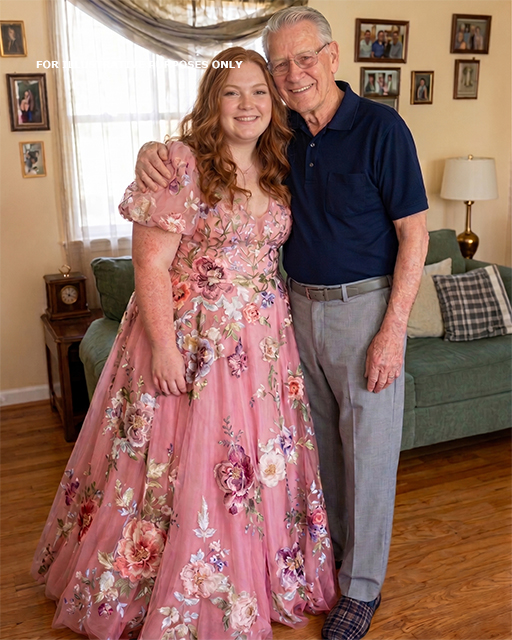
The Handmade Prom Dress That Changed Everything

The Handmade Prom Dress That Changed Everything

Five days before prom, my grandfather died in his sleep.For nearly a week, I was certain I would never wear the dress he had spent a month secretly making for me.But I did.And what happened when I walked into that ballroom changed the way I remembered him forever.Grandpa Henry had raised me since I was 6.My parents had disappeared from my life in different ways, and he never made me feel abandoned. He simply stepped in and became the person who stayed.We lived in a small apartment above a laundromat. Grandpa worked full-time at an auto repair shop and stocked shelves at a hardware store 2 evenings a week.We didn’t have much.But he never complained.“We’ve got food, a roof, and each other,” he always said. “That’s enough.”Then senior prom came around.At school, girls spent weeks talking about dresses, shoes, hair appointments, and expensive makeup.One afternoon, Vanessa Harper held up her phone at lunch.“This one’s $1,200,” she announced. “My mom says I can order it tonight.”Her friends crowded around.I sat 2 tables away, scrolling through secondhand listings, hoping to find something under $40.Vanessa noticed.“Emily, are you actually going to prom?”I ignored her.She smirked.“Hopefully you’ve upgraded from those shoes everyone laughed at freshman year.”A few girls giggled.I shut off my phone.At that moment, Ethan Cole walked past with his gym bag.Ethan was popular, but he had never been cruel.He caught my eye and gave me a small nod.He had done that dozens of times over the years.I had never understood why.That evening, Grandpa came home smelling of motor oil and saw me looking at dresses.“Prom?”I nodded.“I’ll find something secondhand.”He sat beside me.“How much does a new dress cost?”“Grandpa, no.”He smiled.“I haven’t said anything yet.”“You were about to.”I told him not to touch his savings. I didn’t need anything expensive.He put an arm around my shoulders.“You let me worry about the dress.”That worried me even more.Over the next few weeks, Grandpa began coming home later.Sometimes after 10.Other nights, nearly 11.I assumed he had taken extra work to buy me something.Then I started noticing strange things.Pink thread stuck to his sleeves.There were tiny cuts on his fingers.Once, pale fabric was sticking out of his jacket pocket.“What are you doing?” I asked.“Working.”“Cars don’t usually involve pink thread.”He glanced at his sleeve and plucked off the thread.“Very fancy car.”I laughed, but the guilt stayed.One evening, I stopped him before he left again.“Grandpa, please don’t work yourself sick because of prom.”He softened.“Emily, I’m fine.”“I don’t need an expensive dress.”“I know.”“Then stop.”He kissed my forehead.“Trust me.”What I didn’t know was that Grandpa had borrowed one of my fitted dresses while I was at school and used it as a size guide.The auto shop also had an old industrial sewing machine stored in the back. The owner’s mother had once used it for alterations and upholstery, and she’d left behind patterns, sewing tools, and books.Grandpa asked if he could use them.Night after night, he stayed late after work watching tutorials, practicing on scrap fabric, tearing out bad seams, and starting over.A month later, he called me into the living room.A garment bag hung from the closet door.“What’s that?”He smiled.“Open it.”Inside was a soft pink dress with silver stitching along the bodice and tiny beads that caught the light.The stitching wasn’t perfect.Some lines were slightly uneven.But I had never seen anything more beautiful.“Where did you get this?”Grandpa grinned.“I made it.”I stared at him.“You made this?”“Eventually.”“What does that mean?”“It means several pieces of fabric at the shop died for this dress.”I laughed.He explained everything—the machine, the old patterns, the tutorials, and the dress he’d borrowed from my closet for sizing.“You went through my closet?”“For scientific purposes.”I laughed harder.“Try it on.”The dress was slightly loose at the waist, exactly as he’d planned.He pinned the extra fabric while I stood in front of the mirror, then made the final adjustment that same evening.When I tried it on again, it fit beautifully.I stared at my reflection.“Grandpa…”He stood behind me, smiling.“You like it?”I turned and threw my arms around him.“You shouldn’t have worked so hard.”“Yes, I should have.”“I don’t deserve this.”His smile disappeared.“Don’t say that.”I looked down.He put both hands on my shoulders.“You’ve spent too many years letting people make you think having less means being less.”I swallowed.“It doesn’t.”He nodded toward the mirror.“That dress is special because nobody else in the world has one.”I hugged him again.At the time, I thought we’d remember that moment together for years.Five days later, Grandpa di:ed from a heart attack in his sleep.There had been no warning.My aunt Diane found him after he failed to answer her morning call.I never got to say goodbye.For days, I barely left the apartment.His boots were still beside the door.His coffee mug was still by the sink.His old flannel shirt still smelled faintly of him.The prom invitation stayed on the refrigerator.Every time I saw it, my stomach tightened.“I’m not going,” I told Aunt Diane.She sat beside me.“He made that dress because he wanted you to wear it.”“He isn’t here to see it.”“I know.”That hurt more than anything.She took my hand.“You don’t have to stay all night. Go for 20 minutes if that’s all you can manage. But don’t let the last thing he made for you disappear into a closet.”I didn’t answer.On prom night, I stood in front of the dress for almost an hour.Then I touched the uneven stitches.I imagined Grandpa sitting in the back of the shop, his rough mechanic’s hands trying to guide delicate fabric beneath a sewing needle.I put it on.“I’ll wear it for you,” I whispered.Then I went.The ballroom was filled with string lights, perfume, loud music, and glittering dresses.I walked in alone.My plan was simple.Stay for one song.Then leave.I almost made it across the room before Vanessa noticed me.Her eyes dropped to the dress.“Emily… is that handmade?”I froze.One of her friends leaned closer.“I think it is.”Vanessa laughed.“So you actually came to prom in a homemade dress?”A few people nearby chuckled.Normally, I might have ignored her.But all I could see were Grandpa’s fingers.The little cuts.The pink thread on his sleeves.The nights he’d come home exhausted.My eyes burned.I turned toward the exit.Then someone touched my arm.Ethan.“Emily.”“I just want to go home.”He looked at my face, then toward Vanessa.“Give me 5 minutes.”“Ethan…”“Please.”Before I could argue, he walked toward the DJ.A moment later, the music faded.Ethan took the microphone.“This’ll only take a minute.”The room quieted.“Some of you were just laughing at Emily’s dress.”My stomach dropped.Ethan looked at me.“Her grandfather, Henry, worked at my family’s auto shop for more than 20 years. He taught me how to change a tire when I was 10, and he helped my dad keep the business running during some difficult years.”I stared at him.Suddenly, all those quiet nods in the hallway made sense.Ethan continued.“A month ago, Henry asked if he could use an old sewing machine we had in storage.”My hand flew to my mouth.“I watched him stay late after work, teaching himself to sew. I watched him tear out bad seams and start over because he wanted to get this one dress right.”Nobody laughed now.Ethan’s voice softened.“Henry di:ed 5 days ago.”The room went completely silent.“So yes, Emily’s dress is homemade.”He looked directly at me.“It was made by a mechanic who learned to sew because he loved his granddaughter.”Then he handed the microphone back.No long speech.No dramatic lecture.He simply walked across the ballroom and held out his hand.“Would you dance with me?”I couldn’t speak.I nodded.As the music started again, we stepped onto the dance floor.Tears slid down my cheeks.After a moment, Ethan spoke quietly.“Your grandpa talked about you all the time.”I laughed through my tears.“That sounds like him.”“He showed me a picture of you wearing the dress after he finished it.”I looked up.“He did?”Ethan nodded.“I asked him why he worked so hard on it.”My throat tightened.“What did he say?”Ethan smiled.“He said, ‘Because raising her is the best thing I’ve ever done with my life.’”That broke me.For years, I had wondered why Ethan always seemed to notice me.Now I understood.Grandpa had occasionally mentioned the shop owner’s son who spent afternoons there when he was younger.I just hadn’t realized that boy was Ethan.Later that night, Vanessa approached me near the door.She was alone.“Emily?”I turned.She looked down.“I’m sorry.”I waited.“I didn’t know about your grandfather.”I looked at her for a moment.“You shouldn’t have needed to.”Her face reddened.Then she nodded.“You’re right.”One apology couldn’t erase years of cruelty.But I didn’t want to carry her cruelty home with me either.So I simply said, “Okay.”Then I left.When I returned to the apartment, everything was quiet.I carefully hung the pink dress in my closet.Then I walked into the living room.Grandpa’s photograph sat on the shelf beside his old watch.I touched the frame.“I went,” I whispered.My voice broke.“I almost left.”I smiled through my tears.“But I stayed.”Years have passed since that night.I still have the dress.A few beads have loosened, and some of the stitches are crooked.I’ve never had them repaired.I don’t want perfect stitching replacing his.And when I look at that dress now, I barely remember the girls who laughed.I remember the mechanic who taught himself to sew.I remember the man who raised me when no one else did.And I remember what every imperfect stitch proved:I had always been worth the effort.

Oct 02, 2026