Browse

Latest Headlines

Fresh headlines, crisp visuals — faster reading.

Why Your Ground Beef Turns Grey and What It Really Means New

Why Your Ground Beef Turns Grey and What It Really Means

Have you ever bought ground beef that looked bright red in the package, only to discover a grey or brown center when you opened it? While it may seem like the meat is old or spoiled, that’s often not the case.Why Does Ground Beef Turn Grey?The color of beef is controlled by a protein called myoglobin. When myoglobin is exposed to oxygen, it turns bright red. That’s why the outside of ground beef usually looks fresh and red in the package.The inside, however, gets very little oxygen. As a result, the myoglobin remains in a darker state, causing the meat to appear grey or brown. This is a normal chemical reaction and doesn’t automatically mean the beef has gone bad.Is Grey Ground Beef Safe To Eat?In many cases, yes.A grey interior is usually harmless if the beef: Has been stored properly Smells fresh or neutral Feels firm rather than slimy Is still within the recommended storage time According to the USDA, raw ground beef should generally be cooked or frozen within one to two days of purchase if refrigerated.What Are The Real Signs Of Spoilage?Color alone isn’t the best indicator of freshness. Instead, watch for: A sour or unpleasant smell A sticky or slimy texture Damaged or swollen packaging Meat that has been stored too long or left unrefrigerated If any of these signs are present, it’s safest to throw the meat away.Is The Red Outside And Grey Inside A Scam?Usually not. The outer layer turns red because it is exposed to air, while the center remains grey due to limited oxygen exposure. This difference in color is a natural part of how meat reacts to its environment.How To Buy And Store Ground Beef SafelyWhen shopping, choose packages that are cold, undamaged, and within their sell-by date. Once home, refrigerate the beef immediately and use it within one to two days, or freeze it for longer storage.To preserve quality in the freezer, wrap the meat tightly and remove as much air as possible before freezing.The Bottom LineGrey ground beef isn’t always a sign of spoilage. In most cases, it’s simply the result of limited oxygen reaching the center of the package. Rather than judging by color alone, check the smell, texture, and storage conditions to determine whether the meat is still safe to eat.

Oct 13, 2026
Trikala Factory Fire: The Alarming Incident Sparking Global Safety Talks New

Trikala Factory Fire: The Alarming Incident Sparking Global Safety Talks

In the early hours of the morning, workers at a biscuit manufacturing facility near Trikala in central Greece were carrying out routine overnight operations when disaster suddenly unfolded. Flames rapidly spread through sections of the industrial complex, triggering a large emergency response and sending thick smoke into the surrounding area.For nearby residents, the glow of fire against the dark sky was both alarming and surreal. Emergency vehicles rushed toward the scene while firefighters worked through unstable structures and intense heat to contain the blaze.According to reports from Greek authorities, several workers managed to evacuate safely. Tragically, others did not. The incident quickly became one of the most widely discussed industrial emergencies in Greece this year, drawing attention not only because of the scale of the fire, but because it highlighted broader concerns about workplace safety, industrial risk management, and emergency preparedness.As investigators continue examining the cause, the event has sparked conversations around the world about how factories balance productivity, automation, and worker protection in increasingly complex industrial environments.What Happened at the Trikala Factory The fire reportedly began around 4:00 a.m. at the Violanta biscuit production facility, located approximately 200 miles north of Athens. Authorities stated that a number of employees were working during the overnight shift when the blaze erupted.

Oct 13, 2026
The Surprising Role of TikTok in Reviving Teen Reading Habits New

The Surprising Role of TikTok in Reviving Teen Reading Habits

A high school teacher has sparked an important conversation online after sharing a worrying observation about her students: many teenagers who once loved reading have gradually stopped picking up books for pleasure.Her message has raised questions about screen time, changing school expectations, and the role adults play in encouraging young people to read. But there’s an unexpected twist. According to the teacher, one of the platforms often blamed for distracting teenagers from books may also be helping bring reading back into their lives.That platform is TikTok, particularly its popular book-loving community known as BookTok.The Decline in Reading for PleasureReading for enjoyment has become less common among young people over the past several decades, and the figures paint a concerning picture.According to data cited in discussions about children’s reading habits, the percentage of nine-year-olds who said they read for fun almost every day fell from 53% in 2012 to 42% in 2020.Among 13-year-olds, the decline was even more pronounced. The proportion who read for pleasure daily dropped from 27% to 14% over the same period.For 17-year-olds, the figures also reveal a long-term downward trend, with 19% reporting that they had read for fun in the period covered by the most recent data cited, compared with 31% in 1984.These figures raise an important question: what is causing young people to lose interest in reading?Digital entertainment is an obvious factor. Smartphones, video games, social media, and streaming services compete for teenagers’ attention throughout the day. With so many alternatives available, sitting down with a book can become less appealing.However, technology may be only part of the story.Why Are Teenagers Giving Up Books?In December 2024, a high school teacher known on TikTok as Ms. C, or @stillateacher, shared her thoughts after discussing reading habits with her students.She discovered that many had stopped reading for enjoyment around the end of middle school, even if they had previously been enthusiastic readers.Children who once eagerly followed popular series such as Percy Jackson appeared to lose that enthusiasm as they grew older.The teacher suggested that several factors might explain the change, including increasing academic pressure, busier social lives, and the growing attraction of smartphones.As teenagers progress through school, their schedules become more demanding. Homework, examinations, extracurricular activities, friendships, and online entertainment all compete for their limited free time.For some students, reading gradually shifts from an enjoyable activity to something associated mainly with schoolwork.But Ms. C believes another factor deserves greater attention: the expectations adults set for young readers.Has the Bar Been Set Too Low?One of the teacher’s strongest criticisms concerned the belief that teenagers are no longer willing or able to read entire books.She argued that some educators have lowered their expectations so far that students may not receive enough encouragement to develop the habit of reading longer works.She also described encountering schools where teaching whole novels was discouraged, alongside conversations with educators who questioned the importance of reading books for students’ long-term success.Her argument is that young people may struggle to become confident readers if the adults around them stop expecting them to engage with challenging texts.Of course, students have different reading abilities, interests, and support needs. Some may require adapted materials or additional help to build their confidence.But providing appropriate support is different from assuming that teenagers cannot enjoy a complete novel.Young people deserve opportunities to discover books that interest them, encounter new ideas, and experience the satisfaction of finishing a story.Sometimes, the right book and an encouraging adult can make all the difference.Why Reading Matters More Than We Might ThinkReading for pleasure is about much more than improving spelling or preparing for examinations. Regular reading can support children’s development in several important ways.1. Stronger Language and Communication SkillsBooks expose young readers to new vocabulary, different sentence structures, and ways of expressing ideas.Over time, this exposure can help develop reading comprehension, writing ability, and confidence in communication.2. Better Critical ThinkingStories and other written works encourage readers to interpret information, recognise patterns, question assumptions, and consider different explanations.These skills can be useful far beyond English lessons, including in science, history, and everyday decision-making.3. A Greater Understanding of Other PeopleReading allows children to encounter characters whose lives, backgrounds, and experiences may differ considerably from their own.By following different perspectives, readers can explore complex emotions, relationships, and moral dilemmas.As one commenter pointed out in response to the teacher’s post, reading can also help people practise seeing the world through someone else’s eyes.Although reading alone cannot guarantee empathy, stories can provide valuable opportunities to reflect on other people’s experiences.4. Personal Growth and Self-DiscoveryBooks can help teenagers explore questions about identity, friendship, belonging, courage, and independence.For young people navigating the challenges of adolescence, discovering characters who share their struggles can be reassuring. Other stories may introduce ideas that challenge their assumptions or help them see new possibilities.Ms. C says she has noticed differences among the students she teaches who continue reading regularly, particularly in their critical thinking, academic engagement, and sense of self.Her observations reflect the wider reasons educators and researchers are interested in the relationship between reading for pleasure and children’s development.It’s worth remembering, however, that these benefits vary between individuals, and reading is one of several activities that can support learning and wellbeing.Is Screen Time Pushing Books Aside?It’s difficult to ignore the amount of time young people spend using digital devices.A report cited in discussions about children’s media habits found that teenagers spent an average of eight hours and 39 minutes per day on screens, compared with approximately five and a half hours for pre-teen children.Screen time includes many different activities, however, from schoolwork and creative projects to messaging friends, watching videos, and playing games. Not all screen use has the same effects.The more important question may be whether digital entertainment is crowding out activities that help young people develop other interests and skills.When short videos and constant notifications become the default way to fill every spare moment, it can be harder to make room for a longer, more sustained activity such as reading a novel.But technology doesn’t have to be the enemy of books. Digital libraries, audiobooks, online reading groups, and book recommendations can all help young people discover stories they enjoy.And that brings us to the surprising role of BookTok.How BookTok Is Encouraging a New Generation of ReadersBookTok is the book-focused community on TikTok where readers share recommendations, discuss favourite characters, review novels, and react to unexpected plot twists.For some young people, these videos have made reading feel social, exciting, and relevant to their everyday lives.Instead of discovering books exclusively through teachers, librarians, or family members, teenagers can encounter recommendations from people their own age who share their interests.A passionate review or an enthusiastic discussion about a fictional character can inspire someone to try a book they might never have considered reading.BookTok can also help readers find communities where their enthusiasm for books is welcomed rather than seen as unusual.Ms. C highlighted this positive side of TikTok, describing BookTok as one of the few forces she believes is still encouraging adolescents to read.Her observation highlights an interesting contradiction: the same platform that can distract young people from books can also introduce them to new authors and reading communities.Of course, not every recommendation will appeal to every reader, and popularity doesn’t automatically make a book suitable for every age group. Nevertheless, the wider lesson is encouraging.If young people are excited about a story, they may be more willing to make time to read it.How Parents and Schools Can Help Bring Reading BackReversing the decline in reading for pleasure doesn’t necessarily require banning phones or turning every book into a school assignment.Instead, parents, teachers, and communities can help make reading an enjoyable and accessible part of young people’s lives.Here are a few practical ways to encourage the habit: Let teenagers choose their own books. Graphic novels, fantasy, romance, mystery, science fiction, and non-fiction can all provide valuable reading experiences. Make time for reading without pressure. Even a short period of quiet reading can help establish a routine. Use BookTok and other online communities as starting points. Recommendations from peers can help young people find books that match their interests. Visit libraries and bookshops together. Giving teenagers the freedom to browse can make discovering a new story feel like an adventure. Let them see adults reading. Parents and teachers who enjoy books themselves can help demonstrate that reading is not simply a school requirement. Keep expectations encouraging but realistic. Offer support when reading feels difficult, while still giving students opportunities to tackle complete books and develop their skills. Above all, reading should not become another source of unnecessary pressure. The aim is to help teenagers discover the enjoyment, curiosity, and sense of connection that books can offer.A Final Thought: Perhaps Teenagers Haven’t Stopped Loving StoriesThe decline in reading for pleasure is a genuine concern, but it doesn’t necessarily mean that young people have lost their interest in stories.Many still spend hours discussing fictional characters, following dramatic storylines, and sharing their favourite narratives online. BookTok suggests that the desire to connect with stories may still be there; the challenge is helping that interest translate into more reading.Schools have an important role to play, as do families, libraries, and the wider community. Encouraging young people to read means giving them access to appealing books, making time for the activity, and showing confidence in their ability to grow as readers.Perhaps the most useful lesson from Ms. C’s observations is that we shouldn’t assume teenagers are incapable of developing a love of reading simply because their habits have changed.Instead, we should ask how we can make books feel exciting, accessible, and worth their time.And if a recommendation on TikTok inspires a teenager to put down their phone for a moment and pick up a novel, that might be a small but meaningful step in the right direction.What do you think? Are teenagers reading less because of smartphones, changing school expectations, or a combination of factors? And can communities such as BookTok help bring the joy of reading back? Share your thoughts in the comments.Editorial note: The statistics and teacher’s comments in this article are based on the material provided. Figures should be checked against their original research sources before publication.

Oct 13, 2026
What Your First Spotted Animal in This Puzzle Reveals About You New

What Your First Spotted Animal in This Puzzle Reveals About You

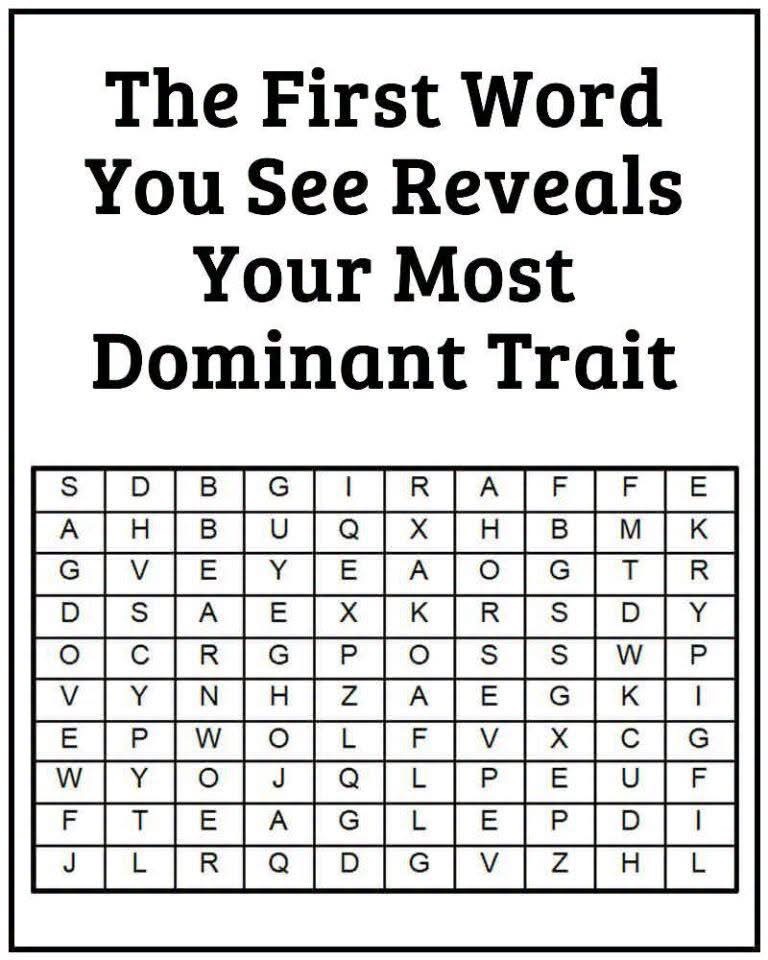
At first glance, this image may look like nothing more than a random grid of letters. But look a little closer, and you might discover several hidden animal names waiting to be found!Here’s the fun part: the first word you notice could reveal something interesting about your personality.Don’t overthink it. Take a quick look at the puzzle and pay attention to the very first word that catches your eye. Was it Giraffe, Wolf, Eagle, Bear, or perhaps something else?According to this light-hearted personality test, your first discovery is linked to one of your dominant personality traits. Ready to find out what your choice might say about you?What Does Your First Word Say About You?🦒 Giraffe: You’re a Big-Picture ThinkerDid you spot Giraffe first? You may be someone who naturally looks at the bigger picture.Rather than getting caught up in every little detail, you prefer to consider the possibilities ahead and think about long-term goals. You often look for the wider meaning behind a situation and enjoy seeing how the pieces fit together.Your dominant trait: Vision and perspective.🐺 Wolf: You’re Independent and LoyalIf Wolf was the first word you noticed, independence and loyalty may be qualities you value deeply.You might trust your instincts, stand firmly by your beliefs, and feel a strong responsibility toward the people you care about. You appreciate meaningful relationships and don’t easily abandon those who have earned your trust.Your dominant trait: Loyalty and leadership.🦅 Eagle: You’re Focused and DeterminedWas Eagle the first word that jumped out at you? You may be someone who thrives on having clear goals and working steadily toward them.You like knowing what you’re aiming for, and once you commit to something, you prefer to give it your full attention. Challenges may motivate you to push harder rather than give up.Your dominant trait: Focus and determination.🐻 Bear: You’re Strong and DependableIf Bear caught your attention first, you may value stability, security, and the well-being of those around you.You might be the person others turn to when they need support or reassurance. Although you may have a calm exterior, you can be firm and protective when something truly matters to you.Your dominant trait: Strength and reliability.👁️ Eye: You’re Observant and PerceptiveDid you notice the word Eye before the animal names? You may pride yourself on noticing details that other people overlook.You might pay close attention to body language, changes in your surroundings, or subtle clues in everyday situations. Your thoughtful approach can help you understand what’s happening before jumping to conclusions.Your dominant trait: Awareness and perception.Why Do Certain Words Catch Your Attention First?Our brains are constantly scanning the world for familiar patterns, shapes, and meaningful information. When we look at a word puzzle, several factors can influence what we notice first, including the arrangement of the letters, our reading habits, and where our eyes happen to land.That’s part of what makes visual puzzles so enjoyable. Two people can look at the same grid and notice completely different things.However, there’s an important distinction: the first word you see cannot scientifically determine your personality.These puzzles are best enjoyed as a playful way to reflect on your characteristics rather than as a formal psychological assessment.So, Which Word Did You See First?Whether you spotted Giraffe, Wolf, Eagle, Bear, or Eye, your choice can be a fun starting point for thinking about your strengths and the qualities you value most.Perhaps you’re a natural leader, a loyal friend, a determined goal-setter, or someone who notices every little detail. Or maybe you see yourself in several of these descriptions!Now it’s your turn: Which word caught your eye first? Share your answer in the comments below and see which words other readers spotted.You might be surprised by how differently everyone sees the same puzzle!You’ve just read The First Animal You Spot in This Word Puzzle .

Oct 13, 2026
Why Marriage Burnout Is Silently Pulling Couples Apart New

Why Marriage Burnout Is Silently Pulling Couples Apart

Marriage is often described as a partnership built on love, trust, and shared goals. Yet even the strongest relationships can become strained over time. Between work commitments, financial pressures, parenting responsibilities, and the demands of everyday life, couples can gradually lose the emotional connection that once came so naturally. When stress builds and exhaustion takes its toll, they may begin to experience what is often described as marriage burnout.Unlike a sudden argument or a major betrayal, marriage burnout rarely happens overnight. It develops gradually, often through years of competing responsibilities, unmet expectations, and emotional needs that go unrecognised.Understanding what causes marriage burnout, how to recognise its signs, and what couples can do to rebuild their connection can make a meaningful difference. Rather than allowing exhaustion to drive them apart, partners can use this awareness as an opportunity to reconnect and strengthen their relationship.What Is Marriage Burnout?Marriage burnout is a state of emotional exhaustion that can develop when the pressures of everyday life begin to outweigh the sense of connection and fulfilment within a relationship.It may show up in different ways, including: Frequent irritation or impatience with one another. Growing emotional distance or a sense of disconnection. Feeling unappreciated, misunderstood, or taken for granted. A noticeable decline in affection, intimacy, or excitement. Avoiding meaningful conversations because they feel too exhausting. Experiencing these feelings does not necessarily mean that love has disappeared. In many cases, it means that one or both partners are overwhelmed and struggling to meet the emotional demands of the relationship while managing everything else in their lives.Common Causes of Marriage Burnout1. Work Stress and Financial PressureWork-related stress and financial worries can leave couples with little emotional energy to give each other. Long hours, demanding careers, job insecurity, and the rising cost of living can all contribute to feelings of exhaustion.When both partners are stretched thin, conversations can gradually become focused on practical matters rather than emotional connection. Instead of talking about their hopes, feelings, or experiences, couples may find themselves discussing bills, schedules, household tasks, and other responsibilities.Although these conversations are necessary, a relationship can begin to feel more like a business partnership than a romantic connection when practical matters dominate every interaction.2. The Demands of ParentingRaising children can be deeply rewarding, but it also brings considerable physical and emotional demands. Sleep deprivation, constant caregiving, school commitments, and the pressure to meet a child’s needs can leave parents with very little time or energy for each other.As family responsibilities increase, a couple’s relationship may unintentionally take a back seat. Partners who once made time for dates, meaningful conversations, and spontaneous affection may find themselves focused almost entirely on keeping the household running.Over time, they can begin to feel more like co-managers of a family than romantic partners. Without deliberate efforts to nurture their relationship, emotional closeness may gradually fade beneath the demands of parenting.3. Unrealistic ExpectationsSocial media, films, and popular ideas about romance can create the impression that a successful marriage should always feel exciting, passionate, and effortless.In reality, long-term relationships naturally change. They involve compromise, routine, disagreements, and periods when life feels more demanding than romantic.When couples compare their everyday experiences with idealised portrayals of marriage, they may begin to question their relationship unnecessarily. Ordinary challenges can feel like signs of failure, and the natural ebb and flow of intimacy may be mistaken for a loss of love.Accepting that marriage requires ongoing effort, rather than constant excitement, can help couples develop more realistic expectations and appreciate the quieter forms of love that grow over time.4. Unintentional Emotional NeglectMarriage burnout does not always result from a major problem. Sometimes, it develops through small, repeated habits that gradually weaken emotional connection.These may include: Rarely expressing gratitude or appreciation. Spending little meaningful time together. Avoiding difficult but necessary conversations. Taking each other’s efforts and presence for granted. Such behaviours are not always deliberate. Often, they emerge when partners become consumed by work, family obligations, and everyday stress.However, when affection, appreciation, and meaningful communication become less frequent, one or both partners may begin to feel invisible or undervalued. Over time, these feelings can develop into resentment and emotional distance.5. A Lack of Personal SpaceAlthough emotional closeness is an important part of marriage, maintaining a healthy sense of individuality matters too.When partners spend nearly all their time together, particularly during stressful periods, they may begin to feel emotionally overwhelmed. Without opportunities to pursue personal interests, spend time with friends, or simply enjoy some quiet time alone, even a loving relationship can start to feel restrictive.Healthy relationships make room for both togetherness and independence. Having time apart to rest, reflect, and recharge can help partners return to each other with greater patience and renewed appreciation.Without that balance, frustration can build quietly, sometimes leaving both people feeling trapped or misunderstood.Signs You May Be Experiencing Marriage BurnoutMarriage burnout can be difficult to recognise because it often develops gradually. What begins as ordinary tiredness or frustration may eventually become a persistent sense of emotional disconnection.Some common warning signs include: Feeling emotionally numb or detached rather than openly angry. Finding conversations with your partner draining instead of fulfilling. Longing to be alone simply to experience some peace and quiet. Reacting disproportionately to minor disagreements or everyday frustrations. Noticing a significant decline in physical affection or emotional intimacy. Feeling lonely even when you are spending time together. These experiences do not automatically mean that a marriage is failing. However, when they persist, they may indicate that the relationship needs greater attention and care.Recognising these patterns early gives couples an opportunity to address the underlying problems before frustration and resentment become more deeply established.How to Recover from Marriage BurnoutRecovering from marriage burnout requires patience, honesty, and a willingness to understand what has changed. Rather than expecting everything to improve overnight, couples can begin with small, consistent steps that help restore emotional connection.1. Rebuild CommunicationOpen and honest communication is often an important starting point. When partners feel exhausted or disconnected, it can be tempting to withdraw, remain silent, or express frustration through criticism.Instead, try creating space for calm conversations about how each person is feeling and what they need.Using statements that begin with “I feel” can help communicate concerns without placing blame. For example: “I feel overwhelmed by everything we have to manage lately.” “I miss spending meaningful time together.” “I sometimes feel disconnected from you, and I would like us to work on that.” The goal is not to win an argument or decide who is at fault. It is to understand each other’s experiences, acknowledge unmet needs, and begin working towards solutions together.2. Make Quality Time a PriorityWhen life becomes busy, quality time is often one of the first things couples sacrifice. Yet maintaining a connection does not necessarily require expensive dates, elaborate plans, or grand romantic gestures.Small, consistent moments can make a meaningful difference. Couples might try: Setting aside time for a weekly date or shared activity. Taking a walk together after dinner. Having phone-free conversations about their day. Revisiting hobbies or interests they once enjoyed together. Sharing a few minutes each evening to check in emotionally. The purpose is not simply to spend more time in the same room. It is to be present, attentive, and genuinely interested in each other.Even brief moments of connection can help partners feel valued and remind them that their relationship matters beyond their shared responsibilities.3. Rebalance Household and Parenting ResponsibilitiesAn unequal distribution of household tasks, childcare, or other responsibilities can become a significant source of frustration.If one partner consistently feels responsible for keeping everything running, exhaustion and resentment may gradually replace cooperation and affection.A practical first step is to discuss how responsibilities are currently shared and identify where adjustments are needed. This includes not only visible tasks but also the mental load of remembering appointments, planning meals, organising family activities, and anticipating everyone’s needs.Working towards a fairer division of responsibilities can help both partners feel supported rather than overwhelmed. It also creates more opportunities for rest and connection.4. Address Stress Outside the RelationshipNot every relationship problem begins within the marriage itself. Sometimes, the pressures of work, financial uncertainty, caregiving, or personal wellbeing leave partners with little energy for one another.Addressing these external pressures can therefore be an important part of recovery.Couples may benefit from reviewing their work-life balance, discussing financial concerns openly, simplifying unnecessary commitments, or seeking support when responsibilities become difficult to manage.It is also important to recognise individual emotional needs. Rest, personal time, and appropriate mental health support can help each partner cope more effectively with stress.When external pressures become more manageable, couples may find it easier to reconnect and approach disagreements with greater patience.5. Consider Professional SupportSometimes, communication difficulties and emotional distance become so established that couples struggle to resolve them on their own.In these situations, couples counselling can provide a supportive environment in which both partners can express their concerns, identify unhelpful patterns, and develop healthier ways of communicating.Seeking professional help does not mean a marriage has failed. It can be a proactive step towards understanding each other better and addressing problems before they become more difficult to resolve.Individual counselling may also be helpful when one partner is struggling with persistent stress, anxiety, low mood, or emotional exhaustion.The Good News: Marriage Burnout Does Not Have to Be the EndMarriage burnout can be deeply discouraging, particularly when a relationship that once felt effortless begins to feel like another responsibility to manage. However, emotional exhaustion does not automatically mean that two people are incompatible or that their love has disappeared.Sometimes, it reflects two people who have spent so much time meeting the demands of everyday life that they have lost sight of their own needs and the connection they share.With honest communication, practical changes, and a willingness to make time for each other, many couples can begin to rebuild their relationship. The process may take time, and progress will not always be straightforward, but even small improvements can create a foundation for renewed closeness.Importantly, rebuilding a marriage should not depend on one partner doing all the work. Lasting change is more likely when both people are willing to listen, take responsibility, and make meaningful efforts to improve the relationship.Final ThoughtsRelationships evolve over time. The intensity of early romance often gives way to a deeper partnership shaped by familiarity, shared experiences, and everyday commitments. But while stability is a natural part of a lasting marriage, it should not mean accepting ongoing loneliness or emotional emptiness.If your marriage feels heavy right now, it does not necessarily mean that it is broken. It may be a sign that the pressures of life have left both of you emotionally exhausted and in need of reconnection.The first step is to acknowledge what is happening rather than allowing the distance to grow in silence.With patience, mutual understanding, and consistent effort, couples can begin to rediscover the friendship, affection, and sense of partnership that brought them together in the first place.Sometimes, a marriage does not need to end; it needs attention, understanding, and the opportunity for both partners to find their way back to each other.You’ve just read Why Some Women Grow Distant from Their Husbands.


Oct 13, 2026
Why the Temperature of Your Drinking Water Matters More Than You Think New

Why the Temperature of Your Drinking Water Matters More Than You Think

There isn’t just one answer when it comes to the best temperature for drinking water. While staying hydrated is essential for good health, the temperature of the water you drink may also influence your comfort, digestion, and exercise performance.Here’s something worth remembering: water makes up a substantial proportion of the human body, accounting for roughly 50–60% of body weight in many adults, although the exact amount varies with age, sex, and body composition. In other words, we’re essentially walking reservoirs of water, held together by bones, muscles, and a remarkable collection of organs.To keep everything functioning properly, we need to replace the water our bodies lose throughout the day. How much we need depends on factors such as our activity levels, the weather, and our overall health. Although general hydration recommendations can provide a useful starting point, there is no single daily target that suits everyone.But here’s an interesting question: does it matter whether that water is ice-cold, straight from the tap, or comfortably warm?Most of us drink water at whatever temperature we prefer without giving it much thought. Yet different temperatures can affect how refreshing water feels, how comfortable it is to drink, and how well it suits particular situations, from exercising on a hot day to soothing a sore throat.All drinking water contributes to hydration, regardless of its temperature. However, understanding the potential advantages of cold, room-temperature, and warm water can help you decide which option works best for you.1. Room-Temperature Water: A Comfortable Choice for Everyday HydrationWhen to drink itRoom-temperature water is a practical choice throughout the day, particularly if you find very cold drinks uncomfortable. Some people prefer a glass of water shortly after waking up to replenish fluids lost overnight and establish a healthy morning routine.You may also have heard of Japanese water therapy, a practice that involves drinking water after waking and waiting before eating breakfast. Although staying hydrated is beneficial, there is limited scientific evidence that this specific routine offers unique health benefits or that everyone needs to follow a strict schedule.For everyday hydration, the most important thing is to drink enough water regularly rather than worrying about following a particular ritual.Why it may helpRoom-temperature water can be easier to drink for people who experience discomfort with very cold beverages. It may also be more appealing during colder weather or when you simply prefer a drink that isn’t chilled.Some traditional health practices recommend warm or room-temperature water to support digestion. However, there is insufficient evidence that cold water causes fats in food to congeal inside the digestive system or significantly slows digestion in healthy people.Your digestive system is well equipped to process food and fluids at different temperatures. For most people, choosing water at a comfortable temperature is a matter of personal preference rather than a way to improve digestion.2. Cold Water: A Refreshing Choice for Exercise and Hot WeatherWhen to drink itIf you’re exercising, spending time outdoors, or trying to cool down on a hot day, cold water can be particularly refreshing.Drinking chilled water before, during, or after physical activity may make hydration more appealing, encouraging you to replace fluids lost through sweating. During prolonged or intense exercise, maintaining adequate hydration is especially important for regulating body temperature and supporting physical performance.Cold water can also provide a welcome sense of relief when temperatures rise, making it easier to keep drinking throughout the day.Why it may helpCold water can help cool the body, although the effect depends on the amount consumed, the temperature of the drink, and the conditions in which you’re exercising.Research into drinking water during exercise suggests that beverage temperature can influence how refreshing a drink feels and how much people are willing to consume. In hot conditions, these factors may help support hydration and temperature regulation.However, claims that cold water automatically stops sweating sooner or dramatically improves athletic performance should be treated cautiously. The evidence does not establish that one water temperature is best for everyone.What about metabolism? Your body does expend a small amount of energy warming cold water to body temperature, but the effect is minimal. Drinking ice-cold water is therefore not a meaningful weight-loss strategy.The practical takeaway is simple: if cold water helps you stay hydrated during exercise or hot weather, there is little reason to avoid it.3. Warm or Hot Water: Comfort When You’re Feeling Under the WeatherWhen to drink itA warm drink can be especially comforting when you’re dealing with a sore throat, a stuffy nose, or the general discomfort that often accompanies a cold.Sipping warm water may help soothe an irritated throat, while the warmth and steam from a hot drink can temporarily ease the sensation of nasal congestion.Warm water may also feel relaxing in the evening or during colder weather, making it a pleasant alternative to chilled drinks.Why it may helpThe benefits of warm water are largely related to comfort and symptom relief rather than any special ability to heal the body.A study published in 2008 found that hot drinks could provide subjective relief from several cold and flu symptoms, including a runny nose, coughing, sore throat, and fatigue. Such findings suggest that a warm drink may help people feel more comfortable, although it does not cure the underlying infection.Warm fluids may also be easier to tolerate when your throat feels irritated. Some people find that they encourage a more relaxing drinking routine, particularly when they are unwell.There is less evidence, however, that warm water directly relaxes digestive muscles or improves recovery after surgery in a way that makes it medically superior to water at other temperatures.One important precaution: avoid drinking water that is excessively hot. Very hot liquids can burn the mouth and throat, and repeatedly consuming beverages at extremely high temperatures may damage the oesophagus.Choose a temperature that feels comfortably warm rather than scalding.4. When Should You Be Careful About Water Temperature?Although most healthy people can safely drink water at their preferred temperature, certain circumstances may make one option more comfortable than another.Migraines and cold-stimulus headachesSome people experience a sudden headache after drinking very cold water, similar to the brief pain associated with brain freeze. Research has also explored whether cold water can trigger headaches in people who are susceptible to migraines.However, cold water does not trigger migraines in everyone. If you notice that chilled drinks consistently bring on headaches, try drinking water at room temperature and see whether that helps.Achalasia and swallowing difficultiesAchalasia is a condition that affects the movement of food and liquid through the oesophagus. People with this condition may find that certain drink temperatures influence their symptoms.Some research suggests that cold liquids can worsen oesophageal contractions in people with achalasia, while warm liquids may help some individuals swallow more comfortably. Responses vary, however, so anyone with persistent swallowing difficulties should seek medical advice rather than relying on water temperature alone.Hot weather and heavy sweatingWhen the weather is hot, the priority is to replace the fluids your body loses through sweating.Cold water may feel particularly refreshing, but room-temperature water is equally capable of contributing to hydration. Warm water is also safe to drink, provided it is not excessively hot.Some people find that warm drinks feel less thirst-quenching in hot conditions. If that happens to you, choose cooler water if it encourages you to drink more.During prolonged exercise or heavy sweating, you may also need to replace electrolytes, depending on the intensity and duration of the activity.So, Which Water Temperature Is Best?The answer depends largely on your preferences, circumstances, and how your body responds. Room-temperature water is a convenient everyday option, especially if you find cold drinks uncomfortable. Cold water can be refreshing during exercise and in hot weather, helping make hydration more appealing. Warm water may soothe a sore throat and provide temporary comfort when you’re feeling unwell. None of these temperatures is universally superior, and there is little evidence that choosing one over another produces dramatic health benefits.The most important factor is making sure you drink enough fluids to meet your body’s needs. Water requirements vary according to activity, climate, diet, and individual health, so pay attention to thirst and circumstances rather than treating a fixed number of cups as a rule for everyone.Whether you prefer an insulated tumbler, a reusable water bottle, or a simple glass from the kitchen tap, the container matters far less than the habit itself.Ultimately, the best water temperature is the one that helps you stay comfortably hydrated. Rather than worrying about drinking water the “right” way, focus on drinking it regularly, choosing a temperature you enjoy, and adjusting your intake to suit your daily activities.Your body doesn’t need a complicated hydration routine. It needs enough water, consistently, to keep doing what it does best.You’ve just read The Best Temperature for Drinking Water May Surprise You.

Oct 13, 2026
Why These DIY Toners Are the Talk of Skincare Enthusiasts Over 50 New

Why These DIY Toners Are the Talk of Skincare Enthusiasts Over 50

Discover how rose water, cloves, rice water, and other simple ingredients can become part of a gentle skincare routine for mature skin.Have you noticed that your skin looks a little different than it did a few years ago? Perhaps your pores appear more noticeable, dark spots seem more stubborn, or your complexion has lost some of its natural radiance.If you’re over 50, you’re certainly not alone. As we age, our skin naturally changes. Collagen production declines, skin may become drier, and years of sun exposure can contribute to uneven pigmentation and fine lines.The good news? You don’t necessarily need an expensive skincare routine to give your complexion a little extra care.Simple ingredients such as rose water, green tea, and rice water have long been used in traditional beauty rituals. While they aren’t miracle treatments, some may offer soothing or antioxidant benefits when used appropriately.In this guide, we’ll explore five DIY botanical toner ideas, discuss what the ingredients can realistically do for your skin, and share practical tips for caring for mature skin.Understanding the Changes in Your Skin After 50As the years pass, your skin’s natural renewal processes gradually change. Collagen and elastin, which help maintain firmness and flexibility, decline over time. Sun exposure, pollution, smoking, and other environmental factors can contribute to visible signs of ageing.These changes may appear as: Fine lines and wrinkles. Dryness and reduced elasticity. Uneven skin tone and age spots. More visible pores and changes in skin texture. Although no homemade toner can reverse these changes overnight, a consistent skincare routine can help your skin look and feel healthier.The most important foundations are gentle cleansing, regular moisturising, and daily broad-spectrum sunscreen. Botanical ingredients can be an optional addition rather than a replacement for proven skincare essentials.5 DIY Botanical Toners to ExploreDifferent ingredients offer different properties. Before trying a homemade preparation, remember that natural ingredients can still irritate the skin, particularly when the skin barrier becomes more sensitive with age.1. Rose Water and Green Tea Toner for a Fresh GlowRose water is commonly used in skincare for its refreshing feel, while green tea contains polyphenols with antioxidant properties.What you’ll need: 2 tablespoons of cooled, freshly brewed green tea. 1 tablespoon of commercially prepared rose water. How to prepare it: Brew the green tea and allow it to cool completely. Mix it with the rose water in a clean container. Apply a small amount to clean skin using clean fingertips. Follow with a gentle moisturiser. Why try it?Green tea contains antioxidants that have been studied for their potential skin benefits. Rose water can add a refreshing touch to your routine, although results will vary and neither ingredient is proven to erase dark spots or restore lost collagen.2. Rice Water Toner for Softer-Looking SkinRice water has a long history in traditional beauty routines, particularly in East Asia. It contains starches and other water-soluble compounds, although the evidence supporting its benefits in homemade skincare remains limited.What you’ll need: A small amount of plain rice. Clean water. How to prepare it: Rinse the rice thoroughly. Place it in a clean bowl with fresh water. Gently swirl the rice, then strain the water into a clean container. Allow the liquid to cool before considering a small-area skin test. Why try it?Rice water may leave the skin feeling temporarily soft and refreshed. However, homemade rice water is not a proven collagen booster, and fermented versions can develop unwanted microbial growth.For safety, prepare only a small amount, refrigerate it promptly, and discard it within 24 hours. Stop using it if its appearance or smell changes.3. Honey and Vitamin E for Dry-Looking SkinMature skin can become drier, making fine lines appear more pronounced. A moisturiser containing proven hydrating ingredients is generally a more reliable choice than a homemade mixture.Honey has humectant properties, but raw honey and concentrated vitamin E products can cause irritation or allergic reactions in some people.A gentler alternative:Choose a fragrance-free moisturiser containing glycerin, ceramides, or hyaluronic acid. These ingredients help support hydration and the skin barrier.If you enjoy using honey in beauty treatments, avoid applying it to irritated or broken skin, and discontinue use if redness or itching develops.4. Cucumber and Rose Water for a Refreshed AppearanceCucumber is often used in beauty treatments because of its cooling sensation, while rose water provides a light, refreshing feel.What you’ll need: A small amount of freshly prepared cucumber juice. A little commercially prepared rose water. How to prepare it: Wash the cucumber thoroughly. Extract a small amount of juice using clean equipment. Mix with a little rose water. Apply a small amount to a limited area of skin before considering wider use. Why try it?The cooling sensation may temporarily make skin feel refreshed. However, cucumber and rose water cannot permanently shrink pores. Pore visibility is influenced by genetics, oil production, skin texture, and age.Avoid adding lemon juice to this mixture. Lemon juice can irritate the skin and increase the risk of adverse reactions to sunlight.5. Green Tea and Coffee for a Revitalised LookCoffee and green tea contain plant compounds that have attracted scientific interest for their antioxidant properties.What you’ll need: 1 tablespoon of cooled green tea. A small amount of cooled, freshly brewed coffee. How to prepare it: Allow both drinks to cool completely. Combine a small amount in a clean container. Test on a small area of skin before use. Why try it?The cooling effect may temporarily refresh tired-looking skin. However, applying coffee or green tea to the face has not been shown to protect the skin from sun damage sufficiently to replace sunscreen.For everyday antioxidant skincare, a properly formulated product and daily sun protection are more dependable options.A Simple Skincare Checklist for Mature SkinYou don’t need a complicated routine to care for your skin. Consistency and gentle products are often more helpful than experimenting with numerous ingredients.Keep these tips in mind:1. Keep your routine gentle. Use a mild cleanser and avoid harsh scrubs, strong fragrances, and ingredients that leave your skin feeling tight or burning.2. Moisturise every day. Look for products containing glycerin, ceramides, or hyaluronic acid to help maintain hydration and support the skin barrier.3. Wear sunscreen daily. Use a broad-spectrum sunscreen with SPF 30 or higher. Sun protection is one of the most effective ways to help prevent further sun-related skin ageing and dark spots.4. Be cautious with homemade mixtures. Water-based preparations without preservatives can develop microbial contamination. Refrigeration does not make them sterile, so fresh preparation and prompt disposal are important.5. Patch-test new products. Apply a small amount to a discreet area and monitor for irritation. A home patch test cannot guarantee that a product will be safe for your face. Avoid using anything that causes burning, swelling, itching, or persistent redness.One Common Skincare Mistake to AvoidYou might assume that washing your face with very hot water will leave it extra clean. In reality, hot water can strip away natural oils and worsen dryness or irritation.Instead, wash your face with lukewarm water and pat it dry gently. Apply moisturiser while your skin is still slightly damp to help retain hydration.If you use a leave-on skincare product, follow its directions rather than repeatedly washing your face to remove it.Building a Nighttime Routine That WorksA simple evening routine can help you care for your skin without unnecessary steps. Gently cleanse your face to remove sunscreen, makeup, and everyday impurities. Apply a suitable moisturiser. If you use a well-formulated leave-on treatment, follow the product instructions. Avoid experimenting with several new ingredients at once. If you’re using a turmeric-containing product, remember that turmeric can stain fabrics and may irritate sensitive skin. Homemade turmeric mixtures are not proven treatments for wrinkles or pigmentation, so a formulated skincare product may be a more predictable choice.Feeling Confident in Your Skin at Every AgeSkincare after 50 isn’t about trying to look younger at any cost. It’s about keeping your skin comfortable, hydrated, and protected while feeling confident in the way you look.Botanical ingredients can be an enjoyable part of a personal beauty ritual, but it’s worth separating traditional practices from scientifically established benefits. Rose water, rice water, green tea, and cucumber may appeal to you for their simplicity, yet none is a proven shortcut to firmer skin or the removal of age spots.For the best long-term results, focus on gentle cleansing, regular moisturising, daily sunscreen, and targeted treatments suited to your skin’s needs.Your skin deserves care at every stage of life. A thoughtful routine, built around consistency rather than miracle promises, is a great place to begin.What Are Your Favourite Traditional Skincare Ingredients?Did your mother or grandmother have a favourite beauty ritual that you still remember? Share your experiences and favourite skincare tips in the comments below.Disclaimer: This article is for general informational purposes only and does not replace professional medical advice. Natural ingredients can cause irritation or allergic reactions. Consult a qualified healthcare professional or dermatologist if you have persistent skin concerns, significant pigmentation changes, or a reaction to a skincare product.You’ve just read DIY Toners for Brighter Healthier-Looking Skin.

Oct 13, 2026
Why Unplugging Everything Won't Slash Your Electricity Bill New

Why Unplugging Everything Won't Slash Your Electricity Bill

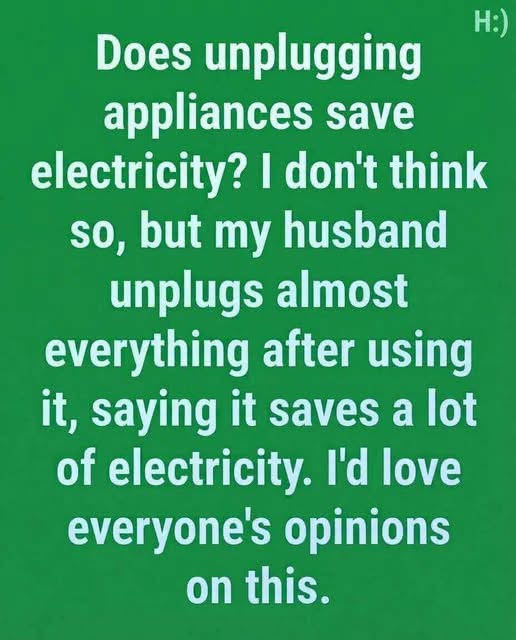
For a long time, I believed every device left plugged into a wall socket was quietly adding to my electricity bill. From phone chargers and televisions to coffee makers, printers, game consoles, and speakers, I worried that even the smallest standby light was costing me money.My solution was simple: unplug everything I could.Every night, I went from room to room, checking sockets and disconnecting devices I wasn’t using. I was convinced that eliminating this so-called phantom power would make a noticeable difference to my household expenses. But after a while, I began to wonder whether all that effort was really worth it.The Truth About Phantom PowerPhantom power, sometimes called standby power, is the electricity that certain devices continue to use even when they appear to be switched off. It is a real thing, but I soon discovered that its financial impact isn’t always as significant as people make it sound.Some electronics consume almost no electricity while idle, while others continue drawing a meaningful amount of power to maintain their settings, stay connected to a network, or remain ready for immediate use.Cable boxes, recording equipment, gaming consoles, and some home entertainment systems turned out to be more worthwhile targets than the occasional phone charger.That was my first big lesson: not every plugged-in device deserves the same level of attention.I Checked My Devices — and the Results Surprised MeRather than continuing to unplug everything out of habit, I decided to take a closer look at what was actually consuming electricity in my home.I began paying attention to which devices remained active in standby mode and compared my electricity usage before and after making changes.The results were more modest than I had expected.Unplugging unused electronics did help reduce unnecessary electricity consumption, but my bill didn’t suddenly plummet. Empty phone chargers, for example, generally used very little electricity, while a microwave displaying the time wasn’t costing me a fortune.I had spent countless evenings checking sockets, yet some of my efforts were saving so little that they barely justified the inconvenience.It was time to change my strategy.The Devices I Started Switching Off ProperlyInstead of unplugging every device individually, I focused on electronics that were more likely to consume power when not in use.Televisions, gaming consoles, printers, and additional cable equipment became my main priorities. Where appropriate, I connected several devices to a switched power strip, allowing me to turn off multiple pieces of equipment with a single switch.This made the process much easier, particularly in the living room, where several electronics were connected to the same entertainment system.I also paid closer attention to devices that remained warm even when supposedly switched off. While warmth alone doesn’t prove that a device is wasting significant electricity, it can be a reason to investigate whether the equipment is still drawing power.The key was to identify the biggest opportunities for savings rather than waste time chasing every tiny amount of electricity.Why I Stopped Unplugging Certain AppliancesOne thing I quickly realised was that saving electricity shouldn’t come at the expense of safety or convenience.My refrigerator, for example, needed to remain connected to keep food at a safe temperature. Other devices required continuous power to preserve settings, perform essential functions, or operate as intended.Disconnecting these appliances simply to save a few watts made little sense.I also learned that some equipment, such as certain printers and electronic devices, may need to follow specific shutdown procedures before being disconnected from the mains. Others may need to remain powered for updates, communications, or scheduled functions.Rather than taking unnecessary risks, I focused on devices that could safely be switched off without causing problems.What Made a Bigger Difference to My Electricity Bill?Eventually, I realised that my obsession with unplugging electronics had distracted me from other ways to reduce household energy consumption.Improving insulation, using energy-efficient lighting, managing heating and hot water, and avoiding unnecessary appliance use can offer more meaningful savings, depending on the home and its energy habits.Heating and hot water, in particular, can account for a substantial share of household energy use. Making sensible adjustments in these areas may have a greater impact than disconnecting a collection of low-power devices every evening.That doesn’t mean standby power should be ignored. It simply means it needs to be put into perspective.My Final Verdict: Stop Unplugging EverythingToday, I still switch off entertainment equipment and other electronics when they’re not needed for extended periods. However, I no longer feel compelled to inspect every socket before going to bed.I’ve learned that phantom power is real, but the savings depend on the devices involved, how much electricity they consume, and how long they remain in standby mode.If you want to reduce your electricity bill, start by identifying the equipment that uses the most unnecessary power. A plug-in energy monitor can help you measure consumption, while switched power strips can make it easier to control multiple devices at once.Most importantly, don’t overlook the bigger picture. Efficient heating, good insulation, sensible lighting choices, and mindful energy use can all contribute to lower bills.The biggest lesson I learned was simple: saving electricity isn’t about unplugging everything in sight. It’s about understanding where your energy goes and focusing your efforts where they can make a genuine difference.

Oct 13, 2026
The Surprising Truth Behind That Grey Fuzz in Your Hairbrush New

The Surprising Truth Behind That Grey Fuzz in Your Hairbrush

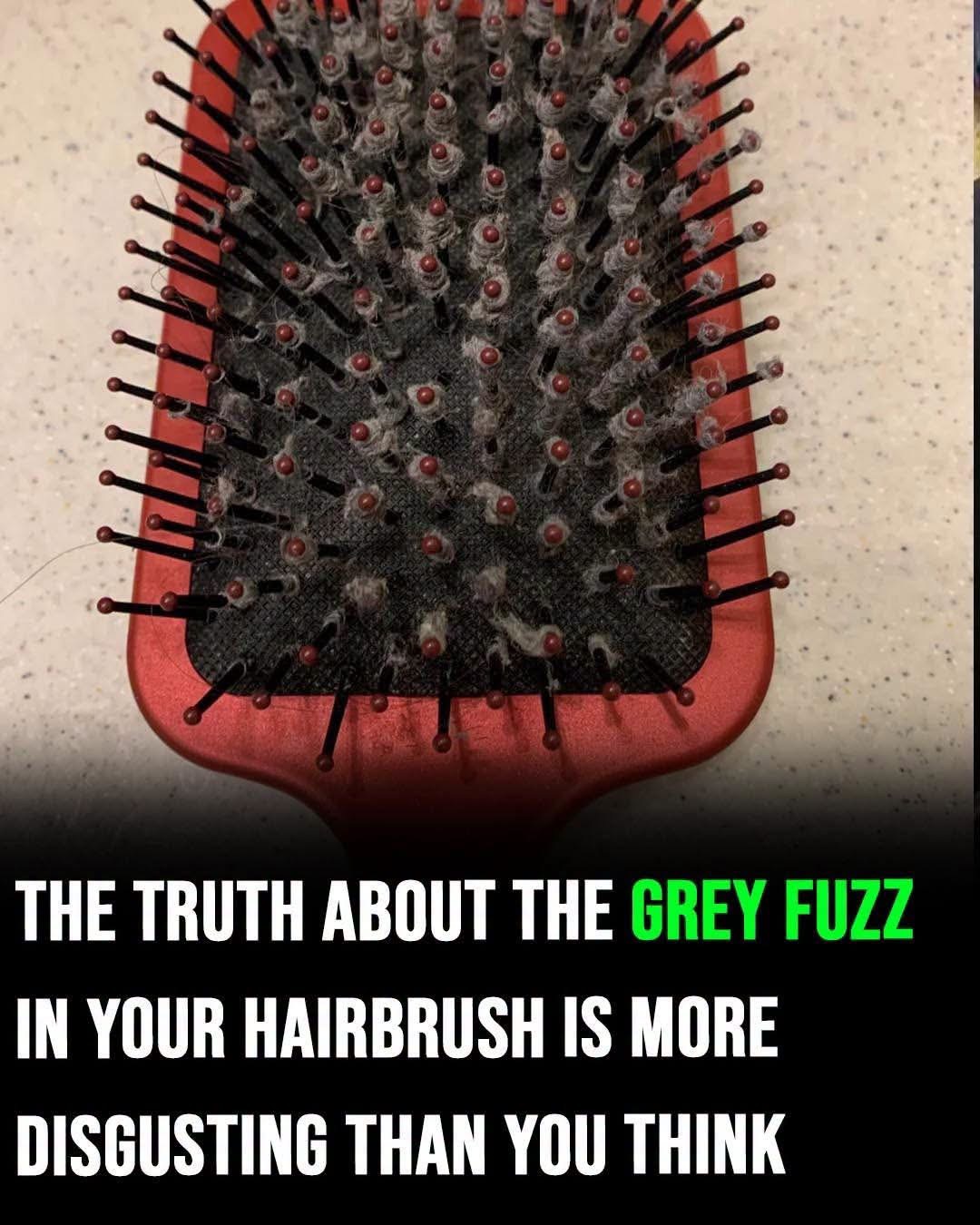
Have you ever looked at your hairbrush and wondered what that strange grey fuzz trapped between the bristles actually is? You might have assumed it was nothing more than ordinary dust or lint. Unfortunately, the reality is a little less pleasant.That fluffy grey buildup is usually a mixture of shed hair, dead skin cells, natural scalp oils, airborne dust, and residue from haircare products. Over time, these ingredients combine to form the familiar clumps that collect at the base of your hairbrush.According to celebrity hairstylist Dean Banowetz, the buildup contains a combination of hair, scalp oils, dead skin cells, and dust from the surrounding environment. Styling products can make matters worse by helping these materials stick together.Hair gel, mousse, hairspray, pomade, dry shampoo, and leave-in conditioners can all leave behind residue that gradually accumulates between the bristles.Dermatologist Dr Anna Chacon has also explained that everyday brushing naturally traps loose hairs and dead skin cells. When these mix with product residue and environmental dust, the result is the grey fuzz many people discover when cleaning their brushes.In other words, that seemingly harmless fluff is a collection of everyday materials that have accumulated through regular use.Why Does the Grey Fuzz Build Up So Quickly?Every time you brush your hair, loose strands can become tangled around the bristles. At the same time, tiny particles of dead skin, natural oils, and haircare products may collect on the brush.As the brush is used repeatedly, these materials become intertwined, creating a thicker layer of residue that can be difficult to remove without cleaning.If you brush your hair daily or regularly use styling products, you may notice visible buildup within a week or two. The exact timing depends on how often you use the brush, your haircare routine, and the type of brush you own.Although the grey fuzz itself is generally not a cause for alarm, leaving a hairbrush uncleaned for long periods can allow oils, product residue, and microorganisms to accumulate.Why Cleaning Your Hairbrush MattersRemoving the visible fuzz isn’t just about keeping your hairbrush looking clean. Regular cleaning also helps remove excess oils, old product residue, loose hair, and other debris that can transfer back onto your hair and scalp.Like many personal grooming tools, a hairbrush can harbour bacteria and yeast. Although their presence does not automatically mean your brush will cause a problem, a dirty brush may contribute to an unclean scalp environment, particularly if it is shared or used on irritated skin.Excess residue can also make brushing less pleasant by increasing tangling and causing the bristles to drag through the hair. Rough brushing, especially when hair is wet or fragile, can contribute to breakage.Keeping your brush clean is therefore a simple way to maintain good haircare hygiene and help your brush work as it should.How Often Should You Clean Your Hairbrush?The ideal cleaning schedule depends on how frequently you use your brush and how much product you apply to your hair.As a general guide: Daily brush users: Remove trapped hair regularly and aim to wash the brush about once a week, particularly if you use styling products. Occasional users: Cleaning every two to three weeks may be sufficient, provided the brush isn’t visibly dirty. Heavy styling-product users: You may need to clean your brush more frequently because residue can accumulate quickly. The simplest rule is to avoid waiting until the bristles are buried beneath a thick layer of grey fuzz. If you can see noticeable buildup, it’s time to clean your brush.How to Clean Your Hairbrush ProperlyFortunately, removing the grey fuzz is relatively straightforward and doesn’t require expensive cleaning products.Step 1: Remove the trapped hair.Use your fingers or a comb to lift out loose strands caught between the bristles. For tightly tangled hair, a clean pair of scissors may help, but take care not to damage the bristles or the brush’s base.Step 2: Prepare a gentle cleaning solution.For a washable plastic brush, mix warm water with a small amount of shampoo. Avoid very hot water, which can damage some brushes.Step 3: Scrub away the residue.Use an old, clean toothbrush to gently scrub between the bristles and around the base, where oils and product buildup tend to collect.Step 4: Rinse thoroughly.Rinse away the loosened debris and shampoo. If your brush is made of wood, has a padded base, or contains natural bristles, avoid soaking it unless the manufacturer’s instructions specifically allow it. Excess moisture can damage certain materials.Step 5: Let it dry completely.Shake off excess water and leave the brush to air-dry with the bristles facing down, where practical. Make sure it is completely dry before using it again.You generally don’t need baking powder or baking soda; a little shampoo and warm water are sufficient for routine cleaning of most washable brushes.The Bottom LineThat grey fuzz in your hairbrush may look unpleasant, but it’s usually the predictable result of everyday grooming. Shed hair, dead skin cells, scalp oils, dust, and styling-product residue gradually collect between the bristles until the buildup becomes visible.The good news is that keeping it under control is easy. Remove loose hair regularly, wash your brush according to its material and manufacturer’s instructions, and give it a proper clean whenever residue starts to appear.It’s a small task that takes only a few minutes, but it can make your haircare routine cleaner and more effective.So, the next time you spot that mysterious grey fluff, don’t panic. Just take it as a reminder that your hairbrush deserves a little attention, too.

Oct 13, 2026
Why Do We Apologize to Doorframes? The Quirky Habit Explained New

Why Do We Apologize to Doorframes? The Quirky Habit Explained

If you’ve ever apologised after bumping into a doorframe, accidentally kicked a chair, or brushed past your refrigerator, this article is for you.We’ve probably all done it at some point. You walk into a piece of furniture, knock something over, or close a door a little too firmly, and before you even think about it, the word “Sorry!” slips out.Of course, the doorframe doesn’t mind, and the refrigerator certainly isn’t offended. Yet some people seem almost incapable of bumping into an inanimate object without offering a polite apology.If this sounds familiar, you’re not alone. Apologising automatically is a small but surprisingly common social habit. It may reflect the way we learn politeness, respond to unexpected situations, or navigate the world around us.And while saying sorry to a chair doesn’t necessarily reveal a person’s character, the habit can offer some interesting clues about their everyday behaviours and emotional responses.Here are five personality traits that may be associated with this curious little reflex.1. You’re Self-AwareSome people bump into a coffee table and carry on without a second thought. Others immediately notice what happened and instinctively respond with an apology.This difference may reflect how closely someone pays attention to their actions and surroundings.People who apologise reflexively may be particularly conscious of their movements, habits, and the small ways their behaviour affects their environment. They might notice when they interrupt a conversation, speak too loudly, or accidentally disturb someone else’s routine.Even when nobody is around, that awareness can remain part of their everyday behaviour.However, apologising to an object doesn’t automatically mean someone has exceptional self-awareness. Sometimes, it’s simply a learned response that comes out before conscious thought has a chance to catch up.2. You’re ConscientiousDo you say “sorry” even when nobody is watching? Perhaps you thank your voice assistant, apologise to a chair, or feel compelled to pick up something you’ve accidentally knocked over.These small gestures may reflect a habit of being considerate and mindful of how you behave.Conscientious people often value responsibility, courtesy, and doing things properly. For some, politeness becomes so deeply ingrained that it appears even in situations where an apology isn’t technically necessary.The important distinction is that the habit may reflect a broader preference for courteous behaviour rather than a deliberate belief that an object has been wronged.Of course, a single habit cannot establish someone’s level of conscientiousness. But if you also tend to be reliable, thoughtful, and attentive to detail, your automatic apologies may fit into that wider pattern.3. You May Be Good at Managing Your ReactionsInterestingly, when you apologise to a doorframe, you’re probably not concerned about hurting its feelings. Instead, the apology may be an automatic response to the surprise or frustration of bumping into something.Unexpected events can interrupt our train of thought and trigger a brief emotional reaction. Saying “Sorry!” may help some people move past that moment and return to what they were doing.For others, the response may be connected to nervousness or anxiety. If you’re particularly sensitive to your surroundings or worried about inconveniencing others, apologising can become a familiar way of managing uncomfortable feelings.However, this doesn’t necessarily mean that everyone who apologises to objects is anxious or especially skilled at emotional regulation. The behaviour can have different explanations depending on the individual and the situation.Sometimes, it’s simply a reflex picked up through years of everyday social interaction.4. You’re Courteous and ConsiderateOne of the most endearing explanations for this habit is that politeness has become second nature.People who frequently apologise may be accustomed to considering how others feel, avoiding unnecessary friction, and keeping interactions pleasant. Their instinctive “sorry” may be an extension of the same courtesy they show friends, family members, colleagues, and strangers.This can be a positive quality. Empathy and consideration help people build relationships, resolve disagreements, and make others feel respected.However, there’s an important distinction between being kind and feeling responsible for everyone’s comfort.If you apologise constantly, even when you’ve done nothing wrong, it may sometimes reflect people-pleasing tendencies or a fear of upsetting others. In those cases, learning when an apology is genuinely necessary can be just as valuable as maintaining your natural kindness.After all, you can be considerate without taking responsibility for every little thing that happens around you.5. You Value Harmony and RespectFor some people, apologising is less about admitting fault and more about maintaining a sense of harmony.Think about what happens when you accidentally interrupt someone, brush past a stranger, or knock into another person’s belongings. A quick apology acknowledges the interruption and helps keep the interaction comfortable.Over time, that response can become automatic, appearing even when no other person is present.This may reflect a preference for peaceful interactions and a desire to avoid unnecessary tension. People who value harmony often appreciate courtesy and try to make everyday encounters pleasant.But context matters. Someone might apologise to a wall because they’re naturally polite, because they’ve developed a habit of saying sorry for everything, or simply because the word comes out before they’ve thought about it.The behaviour alone doesn’t tell us which explanation applies.So, Is There Anything Wrong With Apologising to Inanimate Objects?Not at all.If you occasionally apologise to your refrigerator, mutter “Excuse me” to a chair, or say sorry after walking into a doorframe, there’s generally no reason to feel embarrassed. It’s a harmless and often amusing example of how deeply everyday social habits can become ingrained.Nor does it mean you genuinely believe that objects have feelings. More often, the response is automatic, shaped by habit, social learning, and the way you react to unexpected situations.The only time the habit may deserve closer attention is when apologising becomes excessive, causes distress, or makes you feel responsible for things that aren’t your fault. If you constantly say sorry because you’re afraid of upsetting people or struggle to set boundaries, exploring those feelings may help.Otherwise, there’s no need to overthink it.Final ThoughtsApologising to a doorframe might seem like a silly little habit, but it offers a glimpse into the small ways we carry social behaviour into everyday life.For some people, it reflects ingrained politeness. For others, it may be a response to surprise, a way of managing discomfort, or simply a phrase they’ve become accustomed to saying.Although this quirky behaviour cannot reliably reveal someone’s personality on its own, it can be a reminder of just how automatic our social habits can become.So, the next time you bump into a chair and instinctively whisper “Sorry,” don’t worry. The chair isn’t offended, and you haven’t done anything wrong.You may simply have a polite reflex that follows you everywhere — even when you’re home alone

Oct 13, 2026
Can You Spot the Sneaky Difference in This Puzzle? New

Can You Spot the Sneaky Difference in This Puzzle?

Hey there, eagle-eyed puzzle lovers!Are you ready to test your focus and observational skills today?We have a fun and engaging visual challenge just for you.Take a good look at the image above.You will see a cute, clever girl sitting comfortably at her desk.She is wearing big glasses, a blue headband, and holding a yellow pencil.It looks like she is deep in thought while working on her notebook.At first glance, the two pictures side by side look completely identical.They both show the exact same girl, the same desk, and the same room.Everything seems to match perfectly, doesn’t it?However, don’t let your eyes fool you so easily!There is actually ONE sneaky difference hidden between these two images.Yes, you heard that right, just one tiny detail is different!It is hiding right in plain sight, waiting for a sharp mind to find it.Some people spot it in less than ten seconds.Others scroll up and down for minutes without noticing a thing.Which type of observer are you going to be today?To solve this puzzle, you need to slow down and scan carefully.Do not just look at the picture as a whole.Break it down and examine every little section one by one.Start by looking at the girl herself.Check her big round glasses, her eyes, and her thoughtful expression.Look closely at her hair, her blue headband, and her cute outfit.Pay attention to her hands, the yellow pencil, and the pages of her open book.Then, move your eyes down to her chair, her legs, and her shoes.Don’t forget to inspect the background elements as well.Look at the large wooden frame on the wall and the reflection inside it.Check the lines on the floor and the desk legs holding everything up.Is there a line missing somewhere?Is a shape slightly changed or a color a little different?Did a small detail disappear in the second picture?Take your time and compare both sides slowly, item by item.It requires patience, focus, and a keen eye for small details.Puzzles like this are a great way to give your brain a quick workout.They help improve your concentration and train your mind to notice subtle details.Plus, it is always extremely satisfying when you finally catch the trick!So, have you managed to spot the difference yet?Take another careful look before you make your final guess.Once you think you have found it, share your answer in the comments below!Let’s see who among us has the sharpest eyes today.Good luck, and happy hunting!ANSWER:

Oct 13, 2026