Browse

Latest Headlines

Fresh headlines, crisp visuals — faster reading.

Whistleblower Reveals Letitia James' Push Against Trump Despite Lack of Evidence New

Whistleblower Reveals Letitia James' Push Against Trump Despite Lack of Evidence

See more of our coverage in your search results. President Trump blasted out a Post exclusive story Saturday about a whistleblower who says New York Attorney General Letitia James pushed her team of prosecutors to go after Trump – despite a lack of evidence.Daniel Wiesenfeld, a prosecutor in the Investor Protection Bureau, said he was told by a superior to keep making the case against Trump in the search for dirt in his finances and associations.The whistleblower said the team had become “exasperated” and that the directive came from the top. President Donald Trump speaks at a campaign rally at the Oncenter, Oct. 10, 2026, in Syracuse, N.Y. AP Photo/Julia Demaree Nikhinson New York Attorney General Letitia James attends a press conference regarding an investigation into alleged sexual assault at Cornell University, in New York City, Oct. 2, 2026. REUTERS“Tish was the boss and what Tish wanted, Tish got,” he said. “So we had to keep it going.”Trump sent out a link of the story to his 13 million followers on Truth Social, along with the headline: “Ex-NY prosecutor claims AG Letitia James pushed Trump probe despite investigators finding nothing: ‘What Tish wanted, Tish got.’”Wisenfeld was placed on leave after clashing with his boss and posting about internal pressure in the office.An earlier August report in the Albany Times-Union cited since-deleted emails from Wisenfeld saying he was ordered to find dirt on groups “affiliated with Donald Trump” and told to “find and pursue crimes” by Trump allies.A New York appeals court in August 2025 threw out a $454 million civil fraud judgement against Trump, calling the fine excessive.

Oct 10, 2026
Whistleblower Claims AG Letitia James Pushed Trump Probe Despite Lack of Evidence New

Whistleblower Claims AG Letitia James Pushed Trump Probe Despite Lack of Evidence

See more of our coverage in your search results. President Trump blasted out a Post exclusive story Saturday about a whistleblower who says New York Attorney General Letitia James pushed her team of prosecutors to go after Trump – despite a lack of evidence.Daniel Wiesenfeld, a prosecutor in the Investor Protection Bureau, said he was told by a superior to keep making the case against Trump in the search for dirt in his finances and associations.The whistleblower said the team had become “exasperated” and that the directive came from the top. President Donald Trump speaks at a campaign rally at the Oncenter, Oct. 10, 2026, in Syracuse, N.Y. AP Photo/Julia Demaree Nikhinson New York Attorney General Letitia James attends a press conference regarding an investigation into alleged sexual assault at Cornell University, in New York City, Oct. 2, 2026. REUTERS“Tish was the boss and what Tish wanted, Tish got,” he said. “So we had to keep it going.”Trump sent out a link of the story to his 13 million followers on Truth Social, along with the headline: “Ex-NY prosecutor claims AG Letitia James pushed Trump probe despite investigators finding nothing: ‘What Tish wanted, Tish got.’”Wisenfeld was placed on leave after clashing with his boss and posting about internal pressure in the office.An earlier August report in the Albany Times-Union cited since-deleted emails from Wisenfeld saying he was ordered to find dirt on groups “affiliated with Donald Trump” and told to “find and pursue crimes” by Trump allies.A New York appeals court in August 2025 threw out a $454 million civil fraud judgement against Trump, calling the fine excessive.

Oct 10, 2026
The Apple Puzzle Everyone Is Trying to Solve: 14 or 15? New

The Apple Puzzle Everyone Is Trying to Solve: 14 or 15?

It’s not a big, hard test, just a small “Attention Test.”Consider it a five-minute break for your brain.Think of it as a nice stretch for your eyes.It is a great way to pause, focus, and just be in the moment.It won’t take much of your time.And you might even learn something about yourself!Are you ready to give it a try?I knew you would be!Okay, let’s take a close look at this picture.I have placed an image right here for you.You see that big wooden bowl filled to the top?Isn’t that a lovely, warm bowl?It makes you feel cozy just looking at it.And what’s inside it?Apples!Beautiful, big, red apples.They look so shiny and delicious.Imagine that sweet, crisp taste.Take a good, deep breath and just admire them for a moment.They look like a perfect autumn snack, don’t they?Now, here is the puzzle for your sharp eyes.My friend, I want you to look very, very carefully.I have one question for you.How many apples can you see in that bowl?I want you to count them for me.Go on, try it!It sounds easy, doesn’t it?You might think you can just glance and know the answer.But don’t be fooled by a first look.Take your time with this.I am not in a hurry at all.Start from the bottom row.Point your finger at each apple you see.Maybe start with that big apple at the front.That’s one.Then move along to the right.Don’t skip any of them.And what about that big one right in the center?Did you catch that?Okay, now let’s go up to the middle layer.Look closely between the front apples.You have to find the hidden spaces.There are more apples nestled in there.It’s a cozy fit!Make sure you don’t count any apple twice by mistake.And also, don’t miss any that are tucked away.Finally, look at the very top.How many are balancing up there?Count those last few carefully.It’s a little tricky!So, what is your count?I have put two numbers in the picture above the apples.Is there a number 14, or is there a number 15?Which one feels right to you?Maybe you should try counting again, just to be sure.Start from a different spot this time.Try counting from top to bottom.Or maybe from left to right.Sometimes a fresh look is all you need.It’s like looking for a matching sock.It’s easy to look, but not always easy to see.Your brain might try to play a little trick on you.Let your eyes work together with your attention.Don’t rush the process.This is your quiet moment.Take all the time you need.There is no prize for being first.The only prize is knowing you took your time.Are you getting a different number now?Or is it still the same?That’s the fun of it!I’m not going to tell you the correct answer.The answer is only special if you find it for yourself.It is hidden in plain sight.It is right there in the bowl, waiting for you.So, have one more good, long look.Trust your eyes, and trust your feeling.I believe you can figure this one out!What is your final answer?Is it 14, or is it 15?Good luck, and have fun!Now, just sit back and relax.ANSWER: 14

Oct 10, 2026
Why My Husband's Loyalty to Tradition Tested Our Marriage New

Why My Husband's Loyalty to Tradition Tested Our Marriage

My husband grew up in a family where “traditional” meant one thing: his mother stayed home, raised the children, and took care of the house, while his father worked and provided for the family.I grew up very differently.My mother worked hard her entire life, and from an early age, she made one lesson clear to me:She wasn’t teaching me to distrust men. She was teaching me the importance of independence and having choices.So when I got married, I never expected my husband to support me while I stayed home. I wanted a career, my own income, and a partnership in which we both contributed to our family.Thankfully, my husband seemed to share that vision.Although he had grown up watching his mother take care of everything, he worked hard to unlearn those expectations. He cooked, cleaned, helped with the children, and attended parent-teacher meetings. He never acted as though childcare or household responsibilities were exclusively a woman’s job.For years, I genuinely believed we had found the perfect balance.There was just one problem: my husband cared far too much about what his parents thought.Whenever his mother made a comment about our lifestyle, he became uncomfortable. Whenever his father questioned our choices, my husband felt compelled to defend himself.I understood wanting your parents to be proud of you. But sometimes, it felt as though their approval mattered more to him than mine.My in-laws had never approved of me being a working mother. They thought I was too independent. They disapproved of my husband cooking dinner, disliked the fact that we hired a cleaner, and couldn’t understand why I didn’t define my entire identity around being a wife and mother.To them, I was one of those “modern women” who had forgotten what a wife was supposed to be.We had actually discussed this quite directly early in our marriage. I told them respectfully that I would never criticize how they chose to live their lives, but I expected the same respect in return.“My home is my home,” I told them. “You’re welcome here, but you don’t get to tell me what kind of wife or mother I should be.”For the most part, they respected that boundary.At least, they did until they came to stay with us for two weeks.Our routine was simple. I usually handled breakfast, everyone ate lunch at work or school, and my husband cooked dinner.We normally had a cleaner who kept the house in order, but she happened to be on holiday during my in-laws’ visit. My husband and I simply cleaned up after ourselves, as we always had.There was nothing unusual about our arrangement, and I saw no reason to change it just because we had guests.Then yesterday, everything changed.I arrived home from work at around 6:20 p.m., exhausted and starving. As usual, I took a quick shower before heading downstairs to help get dinner ready. We normally ate at seven, so I assumed my husband would already have started cooking.But when I walked into the kitchen, I immediately noticed something was wrong.Nothing had been prepared.There was no food on the counter, no dishes ready, and no sign that anyone had even thought about dinner.I looked at my husband.“What happened? Are we not having dinner?”He avoided my eyes.Before he could answer, his mother spoke.“He didn’t cook tonight.”I waited, expecting her to explain what had happened.Instead, she looked directly at me and said, “So now you need to do your duty as a wife and cook for your family.”I stared at her, then turned back to my husband.He still wouldn’t meet my eyes.And suddenly, I understood.This wasn’t an accident or a change of plans. They had deliberately waited for me to come home, expecting me to walk into the kitchen, put on an apron, and prove that I could still be the kind of wife they believed I should be.I didn’t argue. I didn’t raise my voice.I simply picked up my phone and ordered takeaway.When the food arrived, I served myself and the children, then sat down at the table. My husband and his parents eventually joined us.That was when my mother-in-law began her lecture.She talked about how women used to take pride in caring for their homes. She complained that modern women were too focused on their careers and insisted that children needed mothers who were actually present.Then she looked directly at me.“You’re a failure as a wife.”I put down my fork and turned to my husband.“Do you have anything to say?”For a moment, I thought he might defend me. I thought he might remind his mother that the life we had built together was something we had both chosen.Instead, he sighed.“Mom has a point.”I felt something inside me crack.“It wouldn’t hurt for you to act more like a proper woman,” he continued.He told me I needed to take better care of our home. He said traditions existed for a reason.Then he said something that hurt more than anything else.“You act like you’re too good for the way I was raised.”I couldn’t believe what I was hearing.After everything we’d built together, after years of sharing responsibilities and creating a partnership based on equality, he was suddenly telling me I was failing because I refused to become his mother’s version of a wife.I looked at his parents, then back at him.And finally, I snapped.“Tradition doesn’t allow a man making $35,000 a year to support a family of five.”The room fell silent.Then I added something I immediately regretted saying in front of the children.“And you’re too broke to be this sexist.”My husband’s expression changed instantly.His eyes filled with tears. He pushed his chair back, stood up, and quietly left the table.Nobody said a word.For a few seconds, I sat there staring at my food, still running on adrenaline. But as the anger began to fade, it was replaced by something much heavier.Exhaustion. And regret.Not because I believed my point was entirely wrong, but because of the way I’d made it, especially in front of our children.I knew I’d hurt my husband. I also knew his mother would probably use that moment to reinforce everything she’d always believed about me.But there was something else I couldn’t ignore.For years, my husband had worked hard to prove that he wasn’t his father. He had chosen to be an equal partner. He had chosen to cook, to care for our children, and to share the responsibilities of running a household.He had chosen a different life.Yet the moment his parents sat at our table and challenged that life, he seemed willing to abandon everything we’d built together just to win his mother’s approval.That hurt more than her insults ever could.Later that night, I found him sitting alone. His eyes were still red.I sat down beside him and apologized for what I’d said in front of the children.But I also made it clear that I wouldn’t apologize for refusing to live according to someone else’s definition of a “proper woman.”I told him I loved him. I told him I respected the effort he’d made to break away from the beliefs he’d grown up with. I knew it couldn’t have been easy to question the values he’d been taught his entire life, and I had never expected him to get everything right.But if he wanted to return to those traditions, that was his choice.He couldn’t force me to live by them, too.Then I told him something I had never imagined needing to say to my own husband.“If you want a traditional wife, you need to decide whether you actually want me.”He didn’t answer immediately. He just sat there quietly, and I left him to think about what I’d said.For the first time since we got married, I realized that our biggest problem wasn’t my mother-in-law or even her outdated expectations.It was whether my husband would continue choosing the life we’d built together or return to living for his parents’ approval.Because tradition may explain where someone comes from, but it shouldn’t determine who they are allowed to become.And it certainly shouldn’t be used as an excuse to dictate what another person must sacrifice to make everyone else comfortable.

Oct 10, 2026
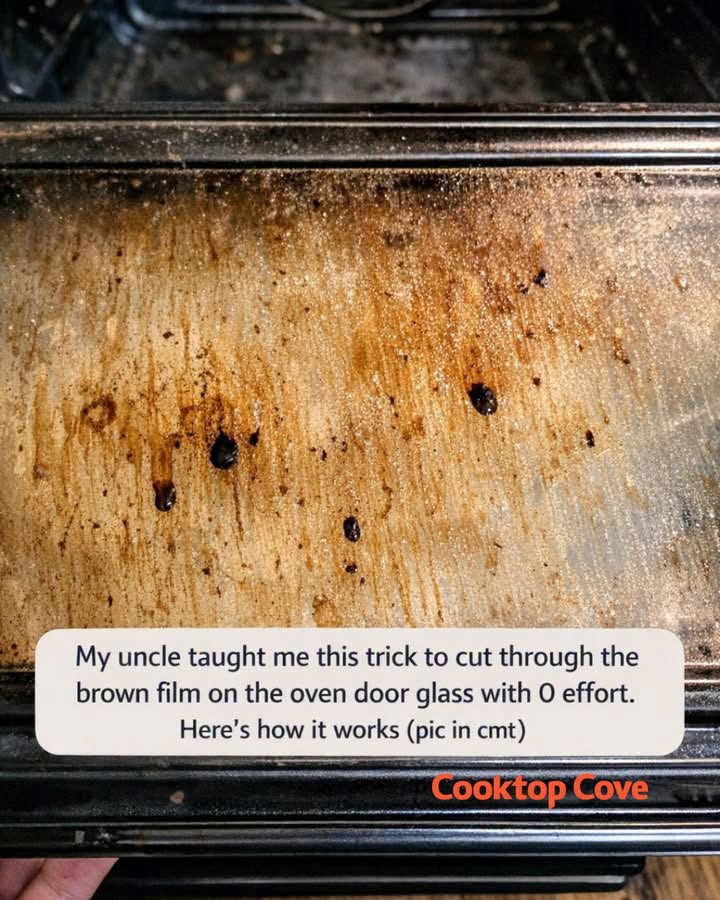
The Surprising Cleaning Hack for Oven Glass Everyone’s Talking About New

The Surprising Cleaning Hack for Oven Glass Everyone’s Talking About

I’m not usually someone who gets excited about cleaning hacks, especially the ones that promise “zero effort” but somehow leave me kneeling on the kitchen floor with three different sprays, two sponges, and a sore shoulder. Every now and then, though, I come across a shortcut that genuinely makes life easier. This is one of those rare finds.The first time I tried it, my oven door had that stubborn brown haze covering the glass. You know the look: a cloudy, amber-coloured film that makes the entire oven appear dirty, even when the rest of the kitchen is spotless. I’d tried wiping it down with ordinary kitchen cleaner, but the baked-on grease barely budged.That’s when my uncle shared one of his old-school cleaning tricks. He’s the kind of person who seems to have a practical solution for almost everything, and this time, his suggestion was surprisingly simple.His method involved a dishwasher tablet, a little water, and some patience. The idea was to loosen the stubborn residue without spending ages scrubbing or buying expensive specialist products.I was sceptical at first, but the results made me curious enough to look at oven-door cleaning a little differently. If your glass has developed the same brown, greasy film, here’s what you should know about this trick, how to approach it safely, and what to try if the stains refuse to budge.1. Why Is the Brown Film on Oven Glass So Difficult to Remove?That cloudy brown or dark amber layer on oven-door glass usually comes from a combination of grease, food splashes, smoke residue, and burnt-on food particles.Every time you roast vegetables, bake a casserole, or cook something that bubbles and splatters, tiny amounts of grease and food can settle on the oven door. Repeated exposure to high temperatures gradually darkens these residues and makes them increasingly difficult to remove.Unlike fresh grease, which often comes away with warm water and washing-up liquid, baked-on residue can become stubborn and firmly attached to the glass.In my experience, the worst areas tend to be along the bottom edge and in the corners. These spots collect drips and splashes that may go unnoticed until they’ve been baked on several times.That’s why an ordinary all-purpose spray doesn’t always deliver the results you’d expect. It may remove the surface grease while leaving behind the darker, more persistent layer underneath.2. The Dishwasher Tablet Trick My Uncle Swears ByMy uncle’s suggestion was to use a solid dishwasher tablet to tackle the brown film on oven-door glass.The idea is straightforward: dishwasher tablets contain cleaning ingredients designed to help break down grease and food residue. With the right surface and cleaning method, those ingredients may help loosen some stubborn deposits.However, there’s an important caveat. Dishwasher tablets are formulated for dishwashers, not necessarily for oven-door glass. Some contain abrasive ingredients, and their suitability depends on the glass, any special coatings, and the manufacturer’s cleaning instructions.For that reason, I wouldn’t automatically recommend rubbing a tablet directly across every oven door. Check your appliance manual first and use an approved glass-cleaning method if the manufacturer advises against dishwasher tablets.If your oven’s instructions permit this approach, test a small, inconspicuous area before proceeding. Avoid applying concentrated detergent to printed markings, coated surfaces, or the seals around the glass.The appeal of this trick is its simplicity, but protecting the glass is more important than getting a quick result.3. What You’ll Need Before You StartIf your oven manufacturer confirms that the method is suitable, gathering your supplies beforehand makes the job easier.Here’s what I would keep nearby: One solid dishwasher tablet, if approved for the surface. A small bowl of warm water. Two soft microfibre cloths. A pair of cleaning gloves to protect sensitive skin. An old towel to protect the floor from drips. A spray bottle filled with plain water can also be useful for lightly dampening the glass.You don’t need boiling water. Warm tap water is sufficient for ordinary cleaning and helps avoid unnecessary temperature changes.I also recommend keeping one cloth for removing loosened grime and another for the final wipe. Using a clean cloth at the end makes it easier to see whether any cloudy residue remains.4. Choose the Right Cleaning ProductIf you’re considering the dishwasher tablet method, remember that not all tablets have the same ingredients or texture.Some contain enzymes, bleaching agents, alkaline cleaning ingredients, or abrasive components. These are useful in the dishwasher but may not be suitable for every glass surface.A hard, compressed tablet is easier to handle than a liquid-filled pod, but that doesn’t automatically make it safe for oven glass.Avoid using a product if its packaging or your oven manual warns against the ingredients or application. Never mix dishwasher detergent with other cleaning chemicals, and don’t use a tablet on a surface unless the manufacturer permits it.If you’re unsure, a soft cloth, warm water, and a small amount of mild washing-up liquid are the better starting point.5. Make Sure the Oven Is Completely CoolThis step is essential, whatever cleaning method you choose.Always allow the oven and its door glass to cool completely before cleaning. A hot or warm glass panel can cause burns, and sudden temperature changes may damage the glass.I prefer doing this job in the morning or after dinner, once the oven has been switched off for several hours and has cooled fully.Place an old towel on the floor in front of the oven to catch drips. It’s a particularly useful precaution if you have wooden flooring or want to avoid leaving cleaning residue around the oven handle.Before starting, check that the oven is switched off and follow any additional safety instructions in the appliance manual.6. How to Clean Oven Door Glass Step by StepOnce you’ve confirmed that your chosen cleaning method is suitable, work slowly and avoid putting unnecessary pressure on the glass.Step 1: Remove loose dirtWipe the glass with a soft, damp microfibre cloth to remove loose crumbs, dust, and surface grease.This gives you a clearer view of the stubborn areas that need attention.Step 2: Apply a suitable cleaning solutionFor routine cleaning, use warm water with a small amount of washing-up liquid or an oven-glass cleaner approved by the manufacturer.If your appliance instructions specifically permit using a damp dishwasher tablet, follow those instructions carefully. Don’t assume that a product suitable for ordinary glass is also suitable for coated or specially treated oven glass.Step 3: Work on small sectionsDivide the door into manageable areas rather than attempting to clean the entire panel at once.Use gentle movements and allow the approved cleaning product to loosen the residue. Avoid vigorous scrubbing, particularly around the edges, printed markings, and seals.Step 4: Wipe away the residueUse a clean, damp microfibre cloth to remove the loosened grime and cleaning product.Rinse the cloth frequently so you don’t spread brown residue across the areas you’ve already cleaned.Step 5: Rinse and dry thoroughlyOnce the dirt has been removed, wipe the glass again with a clean cloth dampened with plain water, following the cleaner’s instructions.Finish with a dry microfibre cloth to reduce streaks and leave the glass looking clearer.If some staining remains, repeat the approved cleaning process rather than increasing the pressure or reaching for an abrasive scouring pad.7. Why Can a Dishwasher Tablet Help With Grease?Dishwasher tablets are designed to help remove food residue, grease, and stains from dishes and cookware during a dishwasher cycle.Depending on the formulation, they may contain ingredients that help break down greasy deposits and loosen food particles. This is why they can seem effective against certain types of kitchen grime.However, oven-door residue isn’t always the same as the food and grease found on plates. Repeated heating can create stubborn deposits that require a different cleaning approach.Some tablets also contain abrasive ingredients. While these may help remove certain residues, they can potentially scratch glass or damage decorative markings and coatings.The important distinction is between loosening dirt and physically abrading a surface. A cleaning method that removes a stain quickly isn’t necessarily the safest option for the material underneath.For that reason, use a manufacturer-approved product and gentle pressure rather than assuming that a harder scrub will produce better results.8. How Much Effort Does It Really Take?One of the biggest attractions of this cleaning trick is the promise of spending less time scrubbing.The actual time depends on how dirty your oven door is, how long the residue has been there, and which cleaning product you’re using.A lightly soiled glass panel may need only a few minutes of wiping. A door covered in several layers of baked-on grease could take considerably longer, particularly if you need to repeat the cleaning process.I find that working in small sections makes the task feel much more manageable. Instead of attacking the entire door at once, you can focus on one area, wipe it clean, and see whether the method is working.The best approach is to let an appropriate cleaner do the work rather than relying on force. If the residue doesn’t respond, switch to a product designed specifically for oven glass instead of scrubbing harder.9. Common Mistakes That Can Make Cleaning HarderA few simple mistakes can turn a straightforward cleaning job into a frustrating one.Using too much water: Excess liquid can drip into the oven-door seams, vents, or other areas where moisture shouldn’t accumulate. Use only the amount recommended for your chosen method.Scrubbing too aggressively: Excessive pressure and abrasive tools can scratch the glass or damage printed markings. A soft cloth and a suitable cleaner are generally safer.Cleaning the entire door at once: Working in smaller sections helps you keep track of the residue and wipe away the cleaner before it dries.Mixing cleaning products: Combining dishwasher detergent with other household cleaners can cause unwanted chemical reactions. Use one product at a time and follow its instructions.Ignoring the manufacturer’s guidance: Some oven doors have special coatings or specific cleaning requirements. Always check the manual before trying an unfamiliar hack.A little preparation can save you from having to deal with scratches, streaks, or damage that is much harder to fix than the original stain.10. What to Do About Especially Stubborn SpotsThe bottom edge of the oven door is often the most frustrating area to clean because grease and food splashes tend to accumulate there.If the residue is particularly stubborn, begin with a cleaning product approved for your oven and allow it to work for the recommended amount of time.You can also place a warm, damp microfibre cloth over a suitable stained area for a few minutes to help soften some surface residue. Make sure the cloth isn’t dripping wet and keep moisture away from the door’s seams and openings.Afterwards, wipe gently and inspect the area.Avoid concentrating pressure on a single spot, using steel wool, or scraping with a razor blade unless your appliance manufacturer explicitly provides instructions for a suitable scraper and surface. These methods can damage the glass or its coatings.If the stain remains after several gentle attempts, a dedicated oven-glass cleaner may be a better choice than continuing to scrub.11. Areas Where You Should Be Particularly CarefulAlthough oven-door glass looks like an ordinary sheet of glass, the door may contain several components that require different care.Pay attention to: Metal trim: Some cleaners may discolour or damage certain finishes. Printed markings: Abrasive products can wear away temperature indicators, logos, or decorative markings. Rubber seals and gaskets: These should be cleaned according to the manufacturer’s instructions. Door seams and vents: Avoid allowing liquid or detergent to run into openings. Specially treated glass: Coatings may react differently to abrasive products or strong chemicals. If your oven has multiple glass panels, don’t attempt to dismantle the door simply to reach a stain between them unless the manufacturer provides clear instructions for doing so.When in doubt, choose a gentle cleaning method or contact the appliance manufacturer for advice.12. How Does This Compare With Traditional Oven Cleaner?Specialist oven cleaners are designed to tackle stubborn grease and burnt-on food residue, although their ingredients and application instructions vary considerably.Some products require a waiting period before the residue can be wiped away. Others are designed for specific surfaces and must not be used on certain finishes or components.A dishwasher tablet may seem like a convenient alternative, especially if you already have one at home. However, convenience doesn’t necessarily mean it’s safer or more effective than a purpose-made product.For routine cleaning, warm water and mild washing-up liquid may be enough. For heavier deposits, an oven-glass cleaner approved by the manufacturer is generally the more reliable choice.Always follow the label instructions, use appropriate ventilation, and wear protective gloves when required.13. How Often Should You Clean Your Oven Door?You don’t need to wait until your oven glass turns dark amber before giving it some attention.For households that use the oven regularly, checking the door every two to four weeks is a useful starting point. The ideal frequency depends on how often you cook and how much grease or food splatter your meals produce.If you frequently roast vegetables, bake bubbling casseroles, or cook dishes that tend to overflow, you may need to clean the glass more often.The real trick is to deal with fresh splashes before they have a chance to bake onto the surface repeatedly.A quick wipe after the oven has cooled completely can prevent a small cleaning job from becoming a much bigger one.14. A Simple Maintenance Routine to Keep Glass ClearOnce the glass is clean, a few small habits can help keep it that way.Wipe away fresh splashes. After the oven has cooled, use a soft, damp cloth to remove grease and food residue before it accumulates.Use suitable baking trays. Place food in appropriately sized dishes and use a tray beneath items that are likely to bubble over, where practical and safe.Clean spills promptly. Fresh residue is usually easier to remove than grease that has been exposed to repeated heating.Avoid unnecessary abrasive cleaning. Frequent aggressive scrubbing can damage the surface rather than improve its appearance.Follow your oven’s care instructions. Regular maintenance with approved products helps protect the glass and surrounding components.These small steps can make a noticeable difference without adding another complicated task to your cleaning routine.15. My Honest Take on This Cleaning TrickI love a cleaning shortcut that feels realistic for everyday life. Anything that makes a dreaded household chore feel more manageable is worth considering, particularly when you’re juggling work, cooking, errands, and everything else that fills a typical week.My uncle’s dishwasher tablet trick certainly got me thinking about how much effort we sometimes put into cleaning stubborn oven glass. The broader lesson, though, is that the right cleaning method matters more than how hard you scrub.A suitable cleaner, a soft cloth, and a little patience can often make a real difference. And when a stain refuses to budge, using a product designed for oven glass is usually a better next step than experimenting with increasingly abrasive methods.The most useful cleaning hacks aren’t necessarily the most dramatic ones. They’re the ones that save time, work with the materials you’re cleaning, and don’t create another problem in the process.So, before you spend money on several different products or devote an entire afternoon to scrubbing your oven door, start with a gentle, manufacturer-approved method. You may find that keeping the glass clear is much easier than you expected.After all, the goal isn’t just a sparkling oven door. It’s finding a simple routine that works in real life and leaves you with more time to enjoy the things you actually want to do

Oct 10, 2026
Why Everyone Is Talking About Used Dryer Sheets for Cleaning New

Why Everyone Is Talking About Used Dryer Sheets for Cleaning

The short answer? My baseboards really did stay cleaner for longer after I wiped them with used dryer sheets. But after trying the trick every morning for two weeks, I realised that all that daily effort wasn’t necessary. By the fourth day, I could already see less dust and cat hair clinging to the trim in my hallway and living room. By the end of the experiment, I was convinced that a weekly wipe would have delivered nearly the same results.I’m the kind of person who notices the little details around the house. Maybe it’s because I spend so much time cooking and cleaning, but I’ve learned how quickly a layer of dust can make an otherwise tidy room look neglected. Baseboards are a perfect example. They can look spotless one day and collect a noticeable coating of dust, hair, and fluff just 48 hours later.That’s why I decided to put the popular used dryer sheet trick to the test. Rather than trying it once and declaring it a miracle, I followed the same routine for 14 consecutive mornings, using only dryer sheets left over from my regular laundry.The results were surprisingly interesting. Here’s what happened, why the method may work, where it fell short, and whether I’d recommend adding it to your regular cleaning routine.1. How I Set Up My 14-Day ExperimentI wanted to keep the experiment as consistent as possible, so I chose three areas of my apartment: a 22-foot hallway, a 14-by-16-foot living room, and the baseboards around my kitchen breakfast nook.Altogether, I had just under 96 linear feet of baseboards to clean. Every morning for two weeks, I wiped the same areas using one or two used dryer sheets, depending on how much dust and pet hair had accumulated.I deliberately chose used sheets rather than fresh ones. Mine came straight from the dryer after ordinary loads of towels, cotton T-shirts, and bed linens. They were still soft and lightly scented, but they no longer felt as heavily coated as fresh sheets.I didn’t spray anything onto the walls or dampen the sheets. I simply folded each one into quarters and gently wiped along the top edge and front surface of the baseboards.It was a straightforward routine, and because I used something that would otherwise have been thrown away, the experiment didn’t cost me anything extra.2. What I Noticed on the Very First DayThe first morning produced the most dramatic results.From across the room, my baseboards had looked reasonably clean. Up close, however, the dryer sheet quickly picked up a surprising amount of grey dust, loose hair, and orange cat fur.The top ledge of the trim was particularly dirty, especially along the hallway, where dust seemed to settle in a thin, continuous line.What impressed me most was how easily the loose debris came away. I didn’t need to scrub aggressively or repeatedly work over the same small section. On my smooth, semi-gloss painted trim, a gentle pass removed much of the visible dust.It was satisfying to see an immediate difference without reaching for a bucket of water or a collection of cleaning products.Of course, the first day was also the easiest day to explain: I was starting with two weeks’ worth of accumulated dust rather than maintaining an already-clean surface.Still, it was enough to make me curious about what would happen next.3. Why Dryer Sheets May Help Keep Baseboards Dust-FreeThere’s a practical explanation behind this popular cleaning trick.Many conventional dryer sheets contain cationic fabric softeners and other conditioning ingredients that can leave a thin film on fabrics. Some formulations also help reduce static electricity.When a suitable sheet is rubbed over a surface, it may leave behind a small amount of these ingredients. On some smooth surfaces, that residue can influence how dust and lightweight fibres cling to the material.This could help explain why baseboards sometimes appear to collect less dust after being wiped with a dryer sheet.However, the effect isn’t guaranteed. Dryer sheets vary in formulation, and their performance on painted wood, laminate, or other trim materials hasn’t been established equally well. Some may leave residue without providing much lasting dust-repelling benefit.In my experiment, the visible improvement was encouraging, particularly when it came to loose cat hair. But I wouldn’t assume that every dryer sheet will produce the same results in every home.The important takeaway is that the method may help with light dust maintenance, but it isn’t a substitute for proper cleaning.4. What Changed by Day 3 and Day 4?By the third morning, the routine was already becoming quicker.On the first day, cleaning all three areas took me approximately 11 minutes. By day three, the job took around seven minutes, and by day four, I was finishing in about five.There was simply less loose debris to pick up.The hallway still developed a faint line of dust, but it wasn’t as thick or evenly distributed as it had been at the beginning. The corners and spaces around furniture also appeared cleaner between wipes.One area that particularly caught my attention was the space around a narrow console table. Dust and hair tend to collect there, creating little fuzzy patches that become noticeable within a few days.During the experiment, those patches were less pronounced. Some debris still accumulated, but it appeared easier to remove with a light wipe.By day four, I was beginning to suspect that my original plan of cleaning every morning was more ambitious than necessary.5. Pet Hair Was the Real Test in My HomeDust is one thing, but anyone who lives with a pet knows that fur can be a completely different challenge.I have a cat, and even when I vacuum regularly, tiny clumps of orange fur seem to find their way along the edges of the living room.The dryer sheet method appeared particularly useful in these areas.I noticed the clearest difference along a nine-foot stretch behind an armchair and near the media console. Ordinarily, small clumps of fur would start collecting there within two or three days of vacuuming.During the experiment, fur still appeared, but much of it came away with a gentle wipe instead of clinging stubbornly to the painted surface.That said, the sheets didn’t eliminate pet hair or prevent it from settling. They simply made some of the loose hair easier to remove.If you share your home with a cat or dog, I’d still recommend regular vacuuming and occasional wiping with a microfibre cloth. The dryer sheet trick is best treated as an optional maintenance step rather than a replacement for those basics.6. The Finish of Your Baseboards Makes a DifferenceOne thing I hadn’t fully considered before starting the experiment was how much the surface finish might affect the results.My hallway has smooth, slightly shiny painted trim, and the dryer sheet glided over it easily. Dust came away without much effort, making this area one of the most satisfying parts of the test.The breakfast nook was a different story. The paint there is older and has a flatter finish, so the sheet didn’t move quite as smoothly. A few sections needed a second pass to remove visible dust.This made me realise that the trick is likely to be more suitable for some surfaces than others.Smooth, intact painted baseboards are generally easier to wipe than rough, heavily textured, chipped, or unfinished wood. However, even painted trim can be affected by cleaning-product residue.If your baseboards have a delicate finish, recently applied paint, or an unknown coating, test a small, inconspicuous area first. Stop if you notice streaking, discolouration, or a change in texture.For dirty or sticky trim, start with a soft microfibre cloth and a suitable mild cleaner instead.7. What Happened After the First Week?By day seven, the experiment had settled into a predictable routine.The dryer sheets were no longer picking up dramatic amounts of dirt each morning because there was much less loose dust to remove. The baseboards looked consistently tidy, especially in the morning light, when even a thin coating of dust becomes obvious against white paint.This was when I started questioning the need for daily cleaning.If the baseboards were already looking reasonably clean after several days, what was I gaining by wiping them again every morning?I suspected that skipping a couple of days would make very little visible difference. The results suggested that a less frequent routine could be enough to maintain the appearance I wanted.For me, that was the turning point. The trick had gone from an interesting experiment to a potentially useful cleaning habit, but there was no good reason to keep doing it every day.8. The Downside: Repeated Wiping Can Leave ResidueNot everything about the experiment was perfect.Around day ten, I noticed that one section of hallway baseboard felt slightly waxy when I touched it. It wasn’t visibly greasy, and the paint hadn’t become cloudy, but the surface no longer felt quite as clean as it had earlier in the week.That was a useful reminder that dryer sheets aren’t simply dust collectors. Depending on their formulation, they can transfer conditioning ingredients and fragrance to the surfaces they touch.Repeated application may allow that residue to build up.To deal with it, I wiped a small section with a barely damp microfibre cloth and dried it afterwards. The waxy feeling disappeared.If you decide to try this trick, pay attention to how your baseboards look and feel. A surface that appears clean but has developed a noticeable film may benefit from a proper wipe-down rather than another dryer sheet treatment.And if your paint finish seems sensitive to the product, discontinue its use.9. Fragrance Sensitivity Is Worth ConsideringAnother detail I noticed was the lingering fragrance.I used lightly scented dryer sheets, and after cleaning the hallway, I could still smell them for a while. The scent wasn’t overwhelming in my apartment, but it was noticeable in the more enclosed areas.For anyone sensitive to fragrances, that could be a significant disadvantage.Dryer sheet ingredients vary, and some products contain perfumes that may linger on surfaces. Even a used sheet can retain enough fragrance to affect how a room smells.An unscented product may reduce that concern, but it doesn’t eliminate the possibility of residue or guarantee that the method will work.If you have asthma, fragrance sensitivities, or simply prefer a neutral-smelling home, a microfibre cloth is a more straightforward option.Personally, I don’t think a little less dust is worth introducing a fragrance you don’t enjoy into your living space.10. Where the Trick Worked Best — and Where It Fell ShortBy the end of the experiment, I had a fairly clear picture of where the dryer sheets were most useful.They seemed most helpful in relatively dry areas where ordinary household dust and pet hair were the main problems. My hallway, living room perimeter, and the baseboards around the furniture were the obvious winners.These areas didn’t require heavy cleaning. They mainly needed a quick way to remove the fine layer of debris that accumulated between vacuuming sessions.The kitchen was another matter.Along a four-foot section near the dining area, I noticed a slightly sticky film that appeared consistent with airborne cooking residue. The dryer sheet removed loose dust but didn’t properly tackle the underlying grime.As someone who spends a lot of time cooking, I know how easily grease can travel beyond the hob and settle on nearby surfaces.That kind of residue needs a suitable cleaner, not just a dry wipe.The lesson is simple: used dryer sheets may be helpful for light dust maintenance, but they’re not designed to remove every kind of household dirt.11. Used Dryer Sheets vs. Microfibre Cloths: Which Is Better?After two weeks of testing, I still consider microfibre cloths the more versatile option for everyday cleaning.A clean microfibre cloth can pick up dust and remove ordinary surface grime without leaving behind fabric-softener ingredients or fragrance. When lightly dampened, it can also help remove marks that a dry wipe might miss.Used dryer sheets have a different appeal. They’re convenient, cost nothing extra if you already use them for laundry, and may help reduce the amount of loose dust that clings to certain surfaces.However, their performance varies, and the potential for residue is a drawback.Here’s how I’d compare the two: Used dryer sheets: Convenient for occasional dry dusting, with a possible anti-static benefit on suitable surfaces. Dry microfibre cloths: Reusable, effective for routine dusting, and free from added dryer-sheet ingredients. Damp microfibre cloths: Better for removing fingerprints, light grime, and surface residue when used appropriately. My preference is to use microfibre for regular cleaning and keep the dryer sheet trick as an occasional experiment rather than a permanent requirement.12. The Cost Was Low, but the Time Added UpOne of the biggest advantages of this experiment was that I didn’t have to buy anything new.Over the two weeks, I used approximately 18 dryer sheets that had already been through the laundry. Instead of throwing them away, I gave them another use.From a household-budget perspective, that made the experiment practically free.The time commitment, however, was another matter.My average daily cleaning session lasted about six minutes. That doesn’t sound like much until you multiply it across 14 mornings.In total, I spent roughly 84 minutes wiping baseboards over two weeks.When I realised that a weekly routine would probably keep the trim looking nearly as tidy, the daily schedule stopped making sense.The whole point of a cleaning shortcut is to make life easier, not to create another daily chore that delivers diminishing returns.13. The Best Schedule Is Once a Week, Not Every MorningIf I were starting the experiment again, I’d change one major thing: I’d stop wiping the baseboards every day.The first thorough clean made the biggest visual difference. After that, the amount of loose dust and hair I removed each morning gradually decreased.For my home, a weekly touch-up seems like a more reasonable starting point.In lower-traffic rooms, cleaning every 10 to 14 days may be enough. Homes with several pets, busy hallways, or particularly dusty conditions might need more frequent attention in specific areas.I’d also keep an eye on the surface itself. If residue begins to build up, I’d switch to an appropriate cleaning method rather than continuing to apply dryer sheets.Ultimately, the best schedule depends on your household, your pets, the type of flooring and trim you have, and how much dust you can comfortably tolerate.There’s no need to follow a rigid daily routine if the results don’t justify the effort.14. My Final Verdict: Does the Used Dryer Sheet Trick Work?After 14 days, my conclusion is that used dryer sheets can be a convenient way to pick up loose dust and pet hair from some smooth baseboards. Their ingredients may also leave a film that influences static and how debris clings to the surface.In my apartment, the trim looked cleaner between wipes, and the light dusting sessions became quicker after the first few days.But there are important limitations. The results aren’t guaranteed, residue can accumulate, fragrance may linger, and the method doesn’t replace proper cleaning when baseboards are greasy or visibly dirty.Would I wipe my baseboards with used dryer sheets every morning again? Definitely not.Would I consider reusing a sheet occasionally if it worked well on my particular trim? Possibly, provided it didn’t leave residue or affect the finish.For regular maintenance, I’d still reach for a microfibre cloth first. It’s reusable, versatile, and doesn’t introduce the extra ingredients found in dryer sheets.The biggest lesson from my experiment wasn’t that I’d discovered a miracle cleaning hack. It was that a simple routine, done at the right frequency, can make a bigger difference than repeatedly cleaning something that doesn’t need it.Sometimes, the smartest cleaning trick isn’t finding a new product. It’s discovering how to get the same results with less effort.And in my home, that means fewer unnecessary cleaning sessions, cleaner-looking baseboards, and more time to enjoy a tidy space without constantly working to maintain it.


Oct 10, 2026
Why Choosing Yourself Might Be the Most Important Decision New

Why Choosing Yourself Might Be the Most Important Decision

They say that not everyone is meant to stay in your life, but nobody really prepares you for how quietly some people leave.There isn’t always a dramatic goodbye or a painful final conversation. Sometimes, people simply grow distant. Messages become less frequent, conversations lose their warmth, and the closeness you once shared slowly fades into silence. One day, you look back and realise that someone you once imagined would always be there has become little more than a memory.And the hardest part? You can’t always pinpoint the moment everything changed.But eventually, life brings you to a different kind of choice. Not a choice between people, but a choice about where you belong, what you deserve, and who truly remains when everything else falls away.Imagine three chairs. Each represents a different kind of loyalty, love, and connection. The chair you’re drawn to may reveal something meaningful about what your heart needs most right now.Chair No. 1: The Person Who Has Always Been ThereThe first chair represents someone who knew you before life taught you to build walls around your heart.They knew the person you were before disappointment made you cautious, before heartbreak made you question people’s intentions, and before experience taught you to hide the parts of yourself you feared others might not understand.They’ve seen you at your best, but they’ve also witnessed your struggles, your mistakes, your insecurities, and the moments when you weren’t sure how to put yourself back together.And still, they stayed.Their loyalty doesn’t always come with grand gestures or carefully chosen words. Sometimes, it’s found in the simplest things: a message asking if you’re okay, a familiar voice when the world feels overwhelming, or a quiet presence that reminds you that you don’t have to face everything alone.They may not always know what to say, and they won’t necessarily get everything right. But when it matters most, they show up.This kind of connection reminds us that genuine loyalty isn’t always loud. Sometimes, it’s the steady reassurance of knowing that someone has seen the different versions of you and still makes room for who you are today.In a world where people can come and go so easily, someone who consistently makes an effort to remain in your life is a gift worth appreciating.Chair No. 2: The Person Who Chooses You Every DayThe second chair represents a different kind of love. It isn’t built solely on shared history or the memories you’ve collected over the years. It’s built on a conscious decision to keep choosing one another.This is the person who doesn’t stay simply because they’ve been around for a long time. They stay because they want to build something meaningful with you.They choose you when life feels easy, but they also choose to work through the difficult moments. They understand that love isn’t just about the excitement of new beginnings or the comfort of familiar routines. It’s also about patience, communication, compromise, and the willingness to grow together.You won’t always agree. There will be misunderstandings, difficult conversations, and moments when walking away might seem easier than trying again.But healthy love isn’t about never having problems. It’s about how two people respond when those problems arise.Instead of turning every disagreement into a battle to win, they learn to listen. Instead of expecting perfection, they allow one another room to grow. And instead of making promises they cannot keep, they show their commitment through consistent actions.Together, they build a life, share dreams, face responsibilities, and create a future that belongs to both of them.This person doesn’t expect you to follow behind or struggle to keep up. They walk beside you.Because real partnership isn’t about one person carrying the entire relationship. It’s about two people making the effort to keep moving forward together.And perhaps that’s one of the most beautiful forms of love: being with someone who doesn’t simply tell you that they want you in their life, but demonstrates it through the choices they make every day.Chair No. 3: The Person Who Never Leaves — YouThe third chair is often the hardest one to sit in.Not because it represents failure, but because it asks you to face a truth that can take years to understand: sometimes, the most important relationship you will ever have is the one you build with yourself.Perhaps you’ve spent years giving more than you received. You’ve stayed when you were hurting, made excuses for people who repeatedly disappointed you, and waited for someone to recognise your worth without ever having to ask.Maybe you’ve tried to prove that you were deserving of love by being more patient, more understanding, more forgiving, or more available.You told yourself that if you loved them a little harder, they might finally choose you.But somewhere along the way, you began losing pieces of yourself while trying to hold on to people who weren’t holding on to you.And eventually, something changes.You stop chasing conversations that never happen. You stop explaining your worth to people who refuse to see it. You stop accepting half-hearted effort simply because the alternative feels frightening.You begin to understand that being alone and being unwanted are not the same thing.You can sit by yourself without feeling empty. You can enjoy your own company without believing something is missing. You can miss someone and still recognise that their absence may be healthier than their presence.Most importantly, you learn that choosing yourself doesn’t mean you’ve stopped believing in love. It means you’ve stopped believing that love should require you to abandon yourself.This chair represents self-respect, emotional independence, and the quiet courage to walk away from situations that continually diminish your sense of worth.It reminds you that you don’t have to earn your place in someone’s life by sacrificing your peace.Sometimes, the person who needs your loyalty most is the person you’ve spent the longest neglecting: yourself.What These Three Chairs Teach Us About Love and LoyaltyEach chair represents a different kind of connection, and each has something valuable to teach us.The first reminds us to appreciate the people who have stood beside us through different seasons of life.The second shows us that lasting relationships require more than history. They need intention, mutual respect, and the willingness to keep choosing each other.The third teaches us that our relationship with ourselves matters just as much as the relationships we build with others.None of these connections has to compete with the others. We can appreciate lifelong friendships, experience committed love, and develop a strong sense of self-worth at the same time.Our needs also change as we move through life. There may be a time when we desperately need someone to stand beside us. At another point, we may need a partner who is ready to build a future with us. And sometimes, we need the courage to step away from relationships that leave us feeling smaller than we were before.The important thing is to recognise what each connection brings into our lives and whether it is rooted in genuine care, respect, and consistency.Because loyalty isn’t measured only by how long someone has known you. Love isn’t proven by how much you endure. And independence isn’t defined by how little you need other people.Healthy connection allows you to be yourself without constantly fearing that you’ll have to earn the right to stay.Learning to Stop Chasing the Wrong PeopleOne of life’s hardest lessons is accepting that you cannot convince someone to value you.You can be kind, loyal, patient, and loving. You can communicate your needs, offer second chances, and make every reasonable effort to repair a relationship.But you cannot do the work for two people.When someone repeatedly makes you feel unwanted, it’s tempting to try harder. You might believe that one more conversation, one more sacrifice, or one more opportunity will finally change things.Sometimes, relationships can be repaired through honest communication and mutual effort. But when the same hurtful patterns continue and only one person is trying to make things better, it’s worth asking what staying is costing you.You don’t have to turn someone into a villain to recognise that a relationship isn’t right for you.You don’t have to stop caring about them to establish boundaries.And you don’t have to wait until you’re completely broken to give yourself permission to leave.Walking away doesn’t erase the good memories or mean the relationship never mattered. It simply means that the past cannot be the only reason you keep sacrificing your present.The right people won’t expect you to be perfect, but they should be willing to meet you with honesty, care, and respect.You deserve relationships in which effort flows both ways, where your feelings matter, and where you don’t have to keep questioning whether you belong.The Most Important Seat Is the One You Give YourselfPerhaps the greatest lesson these three chairs offer is that other people can bring extraordinary meaning to our lives, but they cannot be the sole foundation of our self-worth.People change. Relationships evolve. Even the most meaningful connections can be affected by circumstances beyond our control.That doesn’t mean we should stop trusting, loving, or allowing ourselves to become close to others. Human connection matters, and there is nothing weak about wanting someone beside you.But your life should never become a waiting room where you sit hoping someone else will finally decide that you’re worth choosing.You can love someone deeply without losing yourself in the process. You can welcome companionship without making another person’s presence the measure of your happiness. And you can walk away from what hurts you without believing that you’ve failed.The more comfortable you become with yourself, the less willing you are to trade your peace for temporary attention or remain somewhere simply because you’re afraid of starting again.You begin to understand that solitude can be a place of healing rather than punishment, and that being alone can give you the space to rediscover who you are beyond the expectations of others.You also begin to recognise the difference between someone who genuinely wants to share your life and someone who only wants you when it’s convenient.And that understanding changes the way you choose your relationships.Final Thoughts: Choose Love, But Never Abandon YourselfAt different points in life, we all sit in one of these chairs.Sometimes, we are grateful for the person who has stayed beside us through everything. Sometimes, we discover the beauty of a partner who chooses to build a future with us, one day at a time. And sometimes, we find ourselves sitting alone, learning that our own company can be a source of comfort rather than something to fear.Each experience teaches us something about love, loyalty, and the kind of life we want to create.So appreciate the people who show up for you. Cherish the relationships in which love is demonstrated through consistent actions. Make room for people who want to grow alongside you.But never forget to show that same loyalty to yourself.You don’t need to chase every person who walks away. You don’t need to prove your worth to someone who refuses to recognise it. And you don’t need to fill every empty seat simply because being alone feels unfamiliar.Sometimes, the greatest turning point in your life comes when you stop asking, “Why won’t they choose me?” and start asking, “Am I choosing myself?”Because at the end of the day, the most lasting peace doesn’t come from knowing that nobody will ever leave you.It comes from knowing that, whatever happens, you will no longer abandon yourself just to make someone else stay

Oct 10, 2026
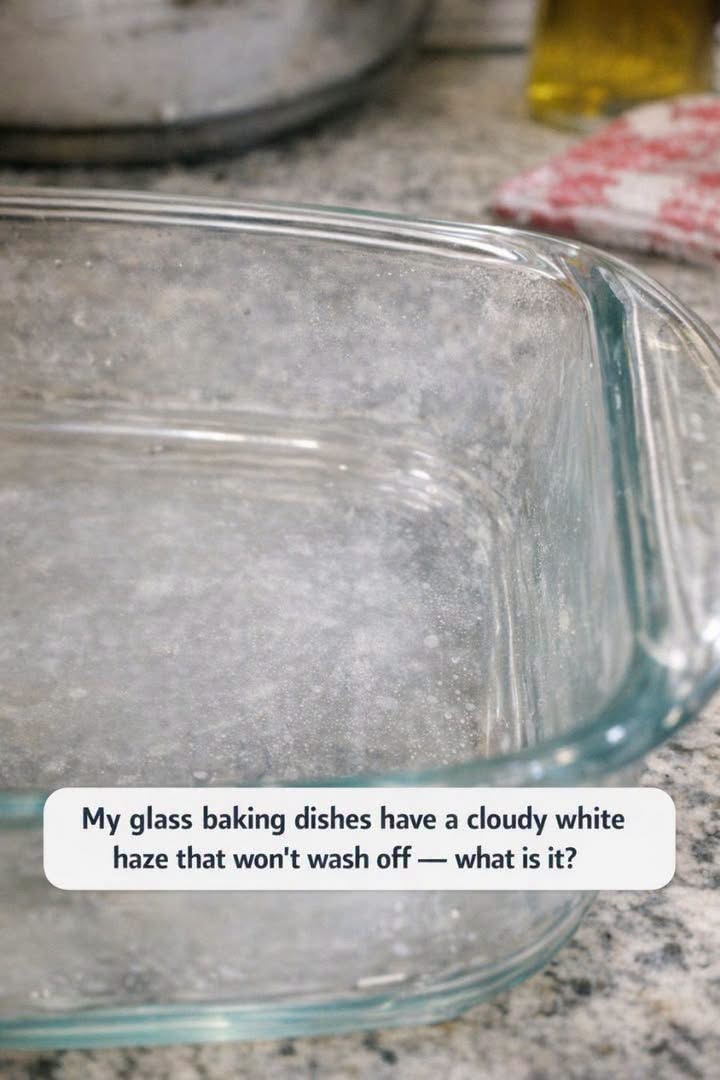
Why Your Glass Bakeware Is Turning Cloudy: What You Need to Know New

Why Your Glass Bakeware Is Turning Cloudy: What You Need to Know

Glass baking dishes are kitchen essentials for a reason. They’re versatile, easy to clean, and perfect for everything from casseroles and roasted vegetables to cakes and desserts. But if you’ve ever pulled a favourite glass baking dish out of the dishwasher only to find a stubborn, cloudy white haze covering its surface, you know how frustrating it can be.The good news? That cloudy appearance doesn’t always mean your bakeware is ruined. In many cases, it’s caused by mineral deposits from hard water that can be removed with a simple cleaning method. However, if the glass itself has become permanently etched, no amount of scrubbing will bring back its original clarity.So, how can you tell the difference, and what can you do about it?In this guide, we’ll explore the common causes of cloudy glass bakeware, explain whether it poses a safety concern, share effective cleaning methods, and offer practical tips to help keep your glass dishes looking their best for years to come.1. What Is That Cloudy White Haze on Glass Bakeware?That milky, white film on your glass baking dish is usually caused by one of two things: mineral deposits or permanent etching.Mineral deposits are the most common culprit, particularly in areas with hard water. Hard water contains dissolved minerals, mainly calcium and magnesium, that can remain on glass surfaces after water evaporates. Over time, these minerals build up, leaving behind a cloudy or chalky appearance.Glass etching, on the other hand, is a permanent change to the glass surface. It can occur after repeated exposure to harsh dishwasher detergents, high temperatures, and certain washing conditions. Instead of leaving a removable film on the glass, etching gradually alters its surface, making it appear dull or cloudy.Although both problems can look similar, understanding which one you’re dealing with is the first step towards finding the right solution.2. How Hard Water and Minerals Affect GlassHard water is water that contains relatively high levels of dissolved calcium and magnesium. When you wash your glass bakeware, these minerals can settle on the surface, particularly as water dries.If your dishes are regularly washed in a dishwasher, the combination of mineral-rich water, heat, and detergent can make cloudy deposits more noticeable. Over time, the residue may become harder to remove with ordinary dish soap alone.Etching is a different process. Certain dishwasher detergents and washing conditions can gradually damage the glass surface, creating microscopic changes that scatter light and make the dish appear hazy.The important distinction is that mineral deposits sit on the surface, while etching changes the surface itself. One may be reversible with the right cleaning method; the other generally isn’t.3. Is Cloudy or Etched Glass Bakeware Dangerous?A cloudy appearance doesn’t automatically mean your glass bakeware is unsafe to use. If the haze is simply mineral buildup, it is generally a cosmetic issue that can often be resolved with proper cleaning.Etching is more complicated. Although light surface haze doesn’t necessarily make a dish unsafe, visible deterioration can make it harder to assess the condition of the glass. Scratches, chips, and cracks are more concerning because they can increase the risk of breakage, especially when the dish is exposed to temperature changes.Before using a cloudy baking dish, inspect it carefully for damage. If you notice cracks, chips, deep scratches, or other signs of deterioration, replacing the dish is the safer option.It’s also worth remembering that glass bakeware can break because of thermal shock. Avoid sudden temperature changes, and follow the manufacturer’s instructions for heating, cooling, and handling your dish.4. How to Tell Mineral Deposits From Soap Scum or GreaseBefore trying different cleaning products, take a moment to identify what’s causing the haze. Mineral deposits, soap residue, grease, and permanent etching can all affect the appearance of glass, but they don’t respond to the same treatments.Here are a few clues to look for: Mineral deposits: Usually appear as a white, chalky film that may respond to an acidic cleaner such as white vinegar. Soap residue: Often leaves a filmy appearance and may come away with warm water and washing-up liquid. Grease buildup: Tends to feel slippery or greasy and usually responds to detergent and thorough washing. Permanent etching: Creates a persistent, dull or cloudy appearance that remains even after the glass has been cleaned. One simple test is to apply a small amount of white vinegar to an inconspicuous area. If the haze clears or becomes noticeably less visible, mineral deposits are a likely cause. If the cloudiness remains unchanged, etching may be responsible.Keep in mind that this test isn’t definitive, but it can help you choose the most appropriate cleaning method.5. Cleaning Methods That Won’t Restore Etched GlassWhen glass bakeware turns cloudy, it’s tempting to reach for a scouring pad or a powerful cleaning product. Unfortunately, aggressive cleaning can do more harm than good.Abrasive pads, steel wool, and gritty cleaners may scratch the glass or leave additional surface damage. Strong chemicals may also be unsuitable for certain types of bakeware and could damage surrounding materials or coatings.More importantly, permanent etching cannot be reversed by ordinary household cleaning methods. If the glass surface itself has changed, removing surface residue won’t restore its original clarity.Instead, start with warm water, mild washing-up liquid, and a soft sponge or cloth. If mineral deposits remain, try a gentle vinegar treatment before considering other options.Avoid attempting to polish away the haze with abrasive products, and always check the manufacturer’s care instructions before using a new cleaner.6. When Vinegar and Baking Soda Can HelpWhite vinegar and baking soda are popular household cleaning staples, but they work best when used for the right problem.Using white vinegar for mineral depositsWhite vinegar contains acetic acid, which can help dissolve mineral deposits left by hard water.To try this method: Mix equal parts white vinegar and water. Apply the solution to the cloudy areas or soak the dish for around 15–30 minutes, provided the manufacturer’s care instructions allow it. Gently wipe the surface with a soft sponge or cloth. Rinse thoroughly and dry with a clean, soft towel. If the haze is caused by mineral buildup, you may notice a visible improvement.What about baking soda?Baking soda can help loosen certain types of surface residue, but it is mildly abrasive. For that reason, it’s best not to scrub glass bakeware aggressively with a baking soda paste, particularly if you suspect etching.Also, avoid mixing vinegar and baking soda together as your main cleaning solution. They react with one another, reducing the acidity that helps vinegar dissolve mineral deposits.If neither method improves the haze, the glass may be permanently etched rather than simply dirty.7. Simple Tests to Check for Permanent EtchingIf your glass baking dish still looks cloudy after cleaning, a few simple checks may help you determine whether the damage is permanent.Step 1: Clean the dish thoroughly.Wash it with warm water and mild detergent to remove grease, food residue, and other surface contaminants.Step 2: Try the vinegar test.Apply diluted white vinegar to a small, inconspicuous area. If the haze noticeably diminishes, mineral deposits are likely contributing to the problem.Step 3: Inspect the glass in good lighting.Hold the clean, dry dish near a light source and look for a persistent, evenly distributed haze. If the cloudiness remains after cleaning and mineral removal, etching is a possibility.Step 4: Check the surface and edges.Look for chips, cracks, deep scratches, or other visible damage. Don’t run your fingers over damaged areas to test their roughness, as chipped glass can be sharp.Avoid using toothpaste or other polishing compounds as a definitive test. Their effectiveness varies, and abrasive formulations may create additional scratches.Although these checks can offer useful clues, they cannot always conclusively distinguish etching from other forms of surface damage.8. Everyday Habits That Can Make Cloudy Glass WorseSometimes, the way you wash and dry your bakeware contributes to the problem. A few everyday habits can make mineral buildup more noticeable or increase the likelihood of glass etching.Common culprits include: Washing with hard water: Mineral-rich water can leave deposits behind every time the dish is washed. Using too much dishwasher detergent: Excess detergent, particularly in soft water, may contribute to glass corrosion under certain conditions. Running frequent high-temperature dishwasher cycles: Repeated exposure to heat, detergent, and unsuitable water conditions can accelerate surface deterioration. Using abrasive cleaning tools: Scouring pads and gritty cleaners can scratch glass and make its surface look dull. Leaving dishes to air-dry: Water droplets can evaporate and leave mineral spots, especially in hard-water areas. The solution isn’t necessarily to stop using your dishwasher. Instead, focus on using the right detergent amount, choosing suitable wash settings, and following the manufacturer’s care recommendations.9. Smart Ways to Prevent Cloudy Buildup on Glass BakewareOnce you’ve cleaned your glass dishes, a few small changes can help prevent the haze from returning.Consider your water quality. If hard water is a recurring problem, a properly maintained water softener may help reduce mineral deposits throughout your home.Use dishwasher rinse aid when appropriate. Rinse aid helps water drain more evenly from dishes, reducing water spots and mineral residue. Follow the dishwasher manufacturer’s instructions.Measure detergent carefully. Use the amount recommended for your dishwasher and water conditions. More detergent doesn’t necessarily mean cleaner dishes.Hand-wash when necessary. Warm water, mild washing-up liquid, and a soft sponge are good choices for glass bakeware when the manufacturer permits hand-washing.Dry your dishes promptly. Using a clean, soft towel can reduce the mineral spots left behind when water evaporates.Avoid sudden temperature changes. Never transfer hot glass bakeware directly into cold water or place cold glass into a hot oven unless the manufacturer specifically permits it.These simple habits can help maintain the appearance of your bakeware while reducing the risk of avoidable damage.10. When Should You Keep Using Cloudy Glass Bakeware?The decision to keep or replace a cloudy baking dish depends on its condition, not just its appearance.If the haze disappears after cleaning and the glass has no visible damage, the dish can generally continue to be used according to the manufacturer’s instructions.If the glass remains cloudy but appears intact, the haze alone doesn’t necessarily mean it must be discarded. However, permanent etching can make the condition of the surface harder to assess, so inspect the dish carefully before use.Replace the dish if you find: Cracks or hairline fractures. Chips around the rim or base. Deep scratches or obvious structural damage. Signs that the glass has deteriorated significantly. If you’re uncertain about a damaged dish, it’s better to err on the side of caution. Glass bakeware can fail unexpectedly, particularly when subjected to sudden temperature changes.11. What to Buy Instead: Choosing Bakeware for Your Next Kitchen UpgradeIf your glass baking dish has reached the end of its useful life, you have several alternatives to consider. The best choice depends on what you cook, how you clean your bakeware, and your preferred cooking style.Borosilicate glassBorosilicate glass is known for its relatively low thermal expansion, making it more resistant to thermal shock than many conventional glass formulations. However, it can still break, and resistance to thermal shock doesn’t mean it’s immune to etching or mineral buildup.Always check the product’s instructions, as not all glass bakeware is suitable for the same temperatures or uses.Ceramic bakewareCeramic dishes are popular for casseroles, gratins, and oven-to-table meals. They often retain heat well and come in a wide range of designs. Check for chips or cracks, and follow the manufacturer’s guidance regarding oven use and temperature changes.Stainless steel bakewareStainless steel is durable, corrosion-resistant, and generally easy to maintain. It’s a practical option for roasting vegetables, baking certain dishes, and preparing foods where a metal pan is suitable.However, stainless steel conducts heat differently from glass and ceramic, so cooking times and browning may vary.Non-stick bakewareNon-stick pans can make releasing food and cleaning up easier. If you choose this option, look for clearly labelled materials and follow the manufacturer’s temperature limits and care instructions. Avoid overheating the pan or scratching its coating.Ultimately, you don’t necessarily need to replace all your glass bakeware. With appropriate cleaning and care, many glass dishes can remain useful for years.Final Thoughts: Keep Your Glass Bakeware Clear and Ready for BakingA cloudy white haze on glass bakeware can look alarming, but it doesn’t always mean your favourite dish is damaged beyond repair. In many cases, hard-water minerals are responsible, and a simple vinegar treatment can help restore the glass’s appearance.The key is knowing the difference between removable residue and permanent etching. Clean gently, avoid abrasive tools, pay attention to your dishwasher settings, and take steps to reduce mineral buildup.Most importantly, don’t judge a dish by its cloudiness alone. Check its condition carefully, look for cracks or chips, and follow the manufacturer’s instructions for safe use.With the right care, you can keep your glass bakeware cleaner, extend its useful life, and spend less time worrying about cloudy dishes and more time enjoying what comes out of the oven.

Oct 10, 2026
Wealthy Son Refuses $3,200 for Dad's Surgery, Unveiling a Family's True Values New

Wealthy Son Refuses $3,200 for Dad's Surgery, Unveiling a Family's True Values

When I told my wealthy son I was $3,200 short for urgent surgery, he said, “I can’t help you, Dad.” That night, my daughter gave me nearly everything she had. I thanked her, made one private call, and signed a document no one knew about. 4 days later, my son rushed into my hospital room demanding answers, but then the attorney beside me opened an old folder…My name is Marcus Hale. I was 58 when I learned that sometimes a few thousand dollars can reveal more about a family than millions ever could.The private surgical center had given me 48 hours to arrange the remaining deposit. My doctor did not want the procedure delayed any longer, and I had already exhausted the financing options available to me.I hated asking anyone for help.But I needed $3,200.So I called my son, Preston.Preston was 35 and worked in commercial real estate. That night, he was celebrating a $12 million transaction his firm had just closed. The entire amount obviously wasn’t his, but he had already told us he expected a substantial six-figure commission and partnership payout.He lived in a luxury apartment, drove a new SUV, and had more than enough accessible money to help me without changing his life.When he answered, I heard laughter and glasses clinking.“Dad, can this wait? We just closed the biggest deal of my career.”“I only need a minute.”I explained the surgery and the deadline.He went quiet.Then he said, “I can’t help you.”I thought I had misheard him.“It’s $3,200.”“I know.”“You told me what your commission would be.”“That money is already allocated.”“To what?”“Investments. Taxes. Other things.”“This is surgery, Preston.”He sighed.“Ask the clinic for a payment plan.”“I already did.”“Then ask Mom.”The call ended soon afterward.My wife, Laurel, had heard most of it.We were still legally married, but our marriage had become more practical than affectionate after my business collapsed. We shared a house, but much of our financial life had been separated years earlier.5 years before, Laurel and I had signed a formal postnuptial agreement.At the time, I owned 60 acres outside Rosenberg that had become nearly worthless after environmental restrictions were imposed on neighboring property.I had bought the land to expand my equipment business.Instead, financing disappeared, development froze, and the business eventually failed.Laurel became afraid the property could drag her savings and retirement into future debts or environmental claims.Preston urged her to protect herself.So Laurel kept the house, retirement funds, and her savings.I kept the land, its taxes, and every liability connected to it.When I hung up with Preston, Laurel crossed her arms.“You shouldn’t have called him tonight.”I stared at her.“I need surgery.”“He’s celebrating something important.”“So am I supposed to schedule my health around his dinner?”“That’s not what I meant.”“You have savings.”Her expression hardened.“That money is for my retirement.”There was my second answer.Then she said, “Why don’t you ask Ruby?”Ruby was our 26-year-old daughter.She taught elementary school, had student loans, modest savings, and an old Honda that had been threatening to die for months.“No,” I said.I never called her.Laurel did.Ruby arrived that evening carrying a foil pan of dinner.She saw the estimate on the counter before I could hide it.“$3,200?”“I’m handling it.”“No, you’re not.”She opened her canvas purse and placed an envelope on the table.“There’s $2,000.”I pushed it back.“No.”“My rent is paid.”“That’s most of your emergency fund.”“I know.”“Keep it.”She pushed it toward me again.“I can save more money.”“You need it.”Her eyes filled.“I need you more.”I couldn’t answer.She squeezed my hand.“We’ll figure out the rest.”The next morning, Ruby called me from outside the surgical center.When I walked out, she was standing beside a rideshare car.“Where’s your Honda?”She handed me another envelope.Inside was enough to cover the remaining deposit.My stomach dropped.“What did you do?”“The transmission was failing anyway. I sold it.”“Ruby.”“I still owed a little on it. After paying that off, I had enough left.”“You need a car.”“I checked the bus route.”She pulled a folded schedule from her purse.“2 buses. About 45 minutes.”I stared at her.“You shouldn’t have done this.”She smiled weakly.“Cars can be replaced.”Then she hugged me.“You can’t.”That afternoon, the clinic confirmed my procedure.When I got home, I sorted through the mail.One certified envelope was from the regional environmental authority.For years, they had sent me nothing but delays.This time, the notice said the restrictions affecting my land had officially been lifted.I sat down.For the first time in nearly a decade, all 60 acres were cleared for commercial development.Then I opened another letter.It was from Crestline Development.For almost a year, developers had been buying property around a new highway interchange being built outside Rosenberg. Several companies had previously contacted me, but none could proceed while my land remained restricted.Crestline had apparently kept watching it.Their preliminary purchase offer was printed near the bottom of the page.$15 million.I read it 3 times.Then I looked across the kitchen.Ruby’s bus schedule was lying beside my hospital receipt.Preston had plenty and protected it.Laurel had savings and protected those too.Ruby had almost nothing.And she had given me nearly all of it before she knew the land had any value.I called my attorney, Howard Pike.“Howard, pull the postnuptial agreement Laurel and I signed 5 years ago.”He paused.“Is this about the Rosenberg property?”“Yes.”“What happened?”“The restriction is gone.”“And?”“I have a $15 million offer.”His voice changed immediately.“Do Laurel and Preston know?”“No.”“Don’t tell them yet. I remember something in that agreement.”So did I.Preston had encouraged Laurel to make the protection language as broad as possible.He wanted to ensure that if the land caused debts, lawsuits, environmental claims, or tax problems, none of them could reach her property.Laurel’s attorney drafted the final clause.The next morning, Howard called me.“You remembered correctly.”The agreement stated that Laurel permanently relinquished any ownership interest in the Rosenberg property, including future appreciation, sale proceeds, development rights, and related compensation.At the time, everyone thought she was escaping a worthless liability.Now the clause meant the land and its future value belonged solely to me.“I want it placed into an irrevocable trust,” I said.“For whom?”“My daughter.”Howard prepared the trust and the deed transferring the property into it.I would remain financially protected during my lifetime, while Ruby would become the primary beneficiary.The trust was structured so she could not suddenly receive millions in cash. It would provide for housing, education, future family needs, and long-term investments.I signed the documents before a notary.Howard filed the deed for recording with the county.Ruby knew nothing about any of it.She came with me for my procedure 2 days later.She arrived before sunrise with coffee, a phone charger, and a paperback novel.Laurel said she had appointments.She never came.Preston sent one message.Did you work out the payment?I replied:Yes.He answered:Good.That was all.The procedure went well.When I woke, Ruby was asleep in the chair beside me.Howard visited later.“The deed has been recorded,” he said. “The county system now shows the trust as owner.”“And Crestline?”“They’re still interested.”Preston found out the next morning.His firm monitored property records throughout the corridor because several clients were buying land around the new interchange.A colleague saw the ownership change.4 days after I had asked him for $3,200, Preston rushed into my hospital room with Laurel behind him.Neither asked how I felt.Preston held up his phone.“What did you do with the land?”“Good morning.”“Dad, I’m serious.”“So am I.”“You transferred it into a trust.”“Yes.”Laurel stepped forward.“You should have discussed something this important with me.”“Why?”“Because I’m your wife.”“You legally separated yourself from that property 5 years ago.”“That was different.”“How?”“It was a liability.”“And now?”She had no answer.Howard was sitting quietly beside the window with an old leather folder on his lap.Preston finally noticed him.Then he looked at Ruby.His face changed.“Who is the beneficiary?”I glanced toward her.Ruby frowned.She clearly had no idea what was happening.Preston followed my eyes.“No.”Ruby looked at me.“Dad?”Preston stepped closer.“You gave it to her because I wouldn’t give you $3,200?”“No.”“That’s exactly what you did.”I shook my head.“You had every right to say no.”He stopped.“Laurel had every right to protect her savings.”Then I looked at Ruby.“And Ruby had every right to keep hers.”The room fell silent.“She gave me almost everything she had.”Preston looked away.“She sold her car for the rest.”His head snapped toward her.“You sold your car?”Ruby said quietly, “It was already failing.”“You take the bus now?”“Yes.”I pointed toward the folded schedule beside my bed.“She made that decision when she thought I was still a warehouse worker with worthless land.”Preston’s jaw tightened.“You’re giving her millions because she sold a car?”“No.”I held his gaze.“I’m trusting the person who showed me what she valued before she knew there was anything to gain.”He turned toward Howard.“Mom still has a legal claim to that land, doesn’t she?”Howard finally opened the leather folder.“No.”He removed the postnuptial agreement.“This document says otherwise.”Laurel moved closer.Howard pointed to the clause.“5 years ago, you permanently relinquished any ownership interest in the Rosenberg property, including future appreciation and sale proceeds.”Laurel stared at the page.Then she looked at Preston.“Did you know this?”He said nothing.I answered.“He was the one who encouraged you to insist on broad protection.”Preston shook his head.“At the time, that was the smart thing to do.”“I agree.”He looked at me.“And I’m not angry about it.”That confused him.“You wanted the property completely separated from the family when it looked worthless.”Howard closed the folder.“Mr. Hale was legally free to transfer it.”Preston looked toward him.“Can Dad undo the trust?”Howard answered calmly.“It’s irrevocable.”The room went silent.Ruby turned toward me.“You did this without telling me?”“Yes.”“I didn’t help you because I wanted anything.”“I know.”Her eyes filled.“That’s why I did it.”She shook her head.“Dad, I don’t want $15 million.”“You’re not getting $15 million in cash tomorrow.”Howard smiled faintly.“The trust makes sure of that.”Even Ruby laughed.Preston didn’t.He looked at me for a long moment.“So I’m just cut out?”“You’re still my son.”“That doesn’t feel like much right now.”“I’m not changing how I feel about you.”“You already did.”“No.”I shook my head.“You changed what I understood.”He looked away.After a long silence, he said quietly, “I had the money.”“I know.”“I could have sent it in 2 minutes.”“Yes.”“I was still angry about your business failing. About the land. About everything Mom went through.”“I know.”“I thought you were asking me to rescue you again.”“This wasn’t a failed investment, Preston.”He lowered his eyes.“It was surgery.”He had nothing left to say.Several months later, Crestline increased its offer.After negotiations, the land sold for just over $16 million.Taxes and fees were paid.Enough was reserved for my retirement and future medical care.The rest remained in the trust.Ruby eventually used part of it to buy a modest house near her school and a reliable used car.She kept teaching.She still packed her lunch.She still spent too much of her own money on classroom supplies.The money didn’t change her much.Preston and I barely spoke for months.Then one afternoon, he called and asked me to lunch.Halfway through the meal, he put down his fork.“I was selfish.”I waited.“I keep thinking about that phone call.”“So do I.”“I had enough money.”“Yes.”“I could have helped you without noticing the difference.”I nodded.He looked down.“I’m sorry.”The trust didn’t change.But slowly, our relationship did.Not because the money stopped mattering.Because we finally stopped pretending it hadn’t revealed anything.I still keep one thing from those 4 days in the top drawer of my desk.It isn’t the $15 million offer.It isn’t the old agreement.It isn’t the trust paperwork.It’s Ruby’s folded bus schedule.Whenever I see it, I remember that when I had nothing to offer except a medical bill, everyone had a choice.2 people protected what they had.1 person was willing to walk to work so I could get the care I needed.The land didn’t create that truth.It only became valuable in time for me to understand what that truth was worth.

Oct 10, 2026