Browse

Latest Headlines

Fresh headlines, crisp visuals — faster reading.

5 Surprising Signs Your Heart Might Be Sending You Alarming Signals New

5 Surprising Signs Your Heart Might Be Sending You Alarming Signals

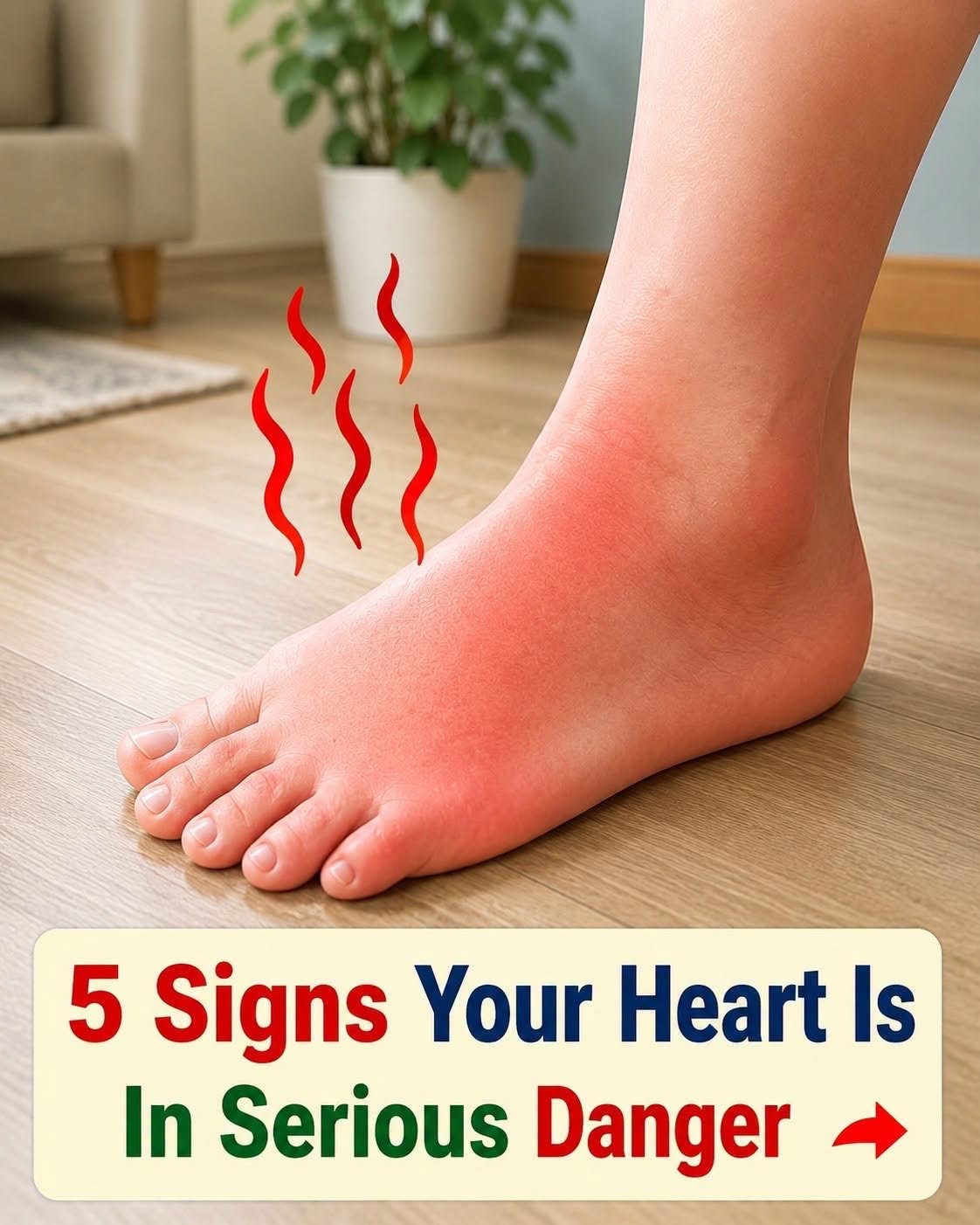
Warning Signs Your Heart May Be Struggling …and When to Get HelpYour heart works around the clock, quietly pumping blood and oxygen throughout your body. Because it does its job so continuously, it’s easy to overlook changes when something begins to feel different.Unusual tiredness. Breathlessness after an activity that used to feel easy. Swollen ankles. A strange flutter in your chest.These symptoms can have many different causes, and they don’t automatically mean that you have heart disease. But new, persistent, or worsening symptoms deserve attention, particularly if you have risk factors for cardiovascular disease.The important lesson isn’t to panic at every unusual sensation. It’s to recognize changes in your body and know when it’s time to seek medical advice.1. Unusual Fatigue That Doesn’t Improve With RestEveryone has days when they’re exhausted.But unexplained fatigue that is new, persistent, or significantly different from your normal energy level shouldn’t simply be dismissed as getting older or being busy.Some people with heart problems experience unusual tiredness because the heart isn’t pumping blood as effectively as it should. However, fatigue can also result from many other conditions, including anemia, infections, thyroid problems, sleep disorders, medications, and stress.Pay attention to a significant change in your normal energy level—especially when it occurs alongside other symptoms such as breathlessness, chest discomfort, or swelling.2. Shortness of Breath During Everyday ActivitiesHave you suddenly started getting out of breath doing something that used to feel easy?Perhaps walking upstairs leaves you unusually winded, or you find yourself needing to stop and catch your breath during a normal walk.Shortness of breath can have many causes, but it can also occur when the heart isn’t keeping up with the body’s demands.Some people with heart failure also experience difficulty breathing when lying flat or wake during the night feeling short of breath.A noticeable change in your breathing is worth discussing with a healthcare professional—particularly if it’s getting worse.3. Chest Pressure, Tightness, Pain, or DiscomfortChest discomfort is one of the symptoms that should never be casually dismissed.Heart-related discomfort can feel like pressure, squeezing, heaviness, tightness, or aching. It may occur during physical activity or emotional stress and sometimes improve with rest.The sensation isn’t always located directly over the heart. Discomfort can spread into the arm, shoulder, back, neck, jaw, or upper abdomen.It can also sometimes resemble indigestion.When Is Chest Pain an Emergency?If you have new or severe chest discomfort, especially when it occurs with shortness of breath, sweating, nausea, weakness, or pain spreading to your arm, back, neck, or jaw, seek emergency medical help immediately.Don’t wait for the symptoms to become unbearable.Heart attacks can present differently from person to person, and not everyone experiences dramatic chest pain.4. New Swelling in Your Legs, Ankles, or FeetHave your shoes suddenly started feeling tighter by the end of the day?Swelling in the feet, ankles, or legs can have numerous causes. But fluid retention can occur when the heart isn’t pumping effectively, making new or worsening swelling an important symptom to discuss with a healthcare professional.You may also notice that your weight increases rapidly over a short period because of fluid accumulation.Rather than relying on a specific number of pounds as a universal warning sign, pay attention to rapid, unexplained changes in weight, especially when they occur together with swelling or breathlessness.If you’ve been diagnosed with heart failure, your healthcare team may give you specific instructions about when a change in weight should prompt a call.5. Dizziness, Fainting, or New Heart PalpitationsA sudden fluttering, racing, pounding, or irregular sensation in your chest can be unsettling.Occasional palpitations can occur for harmless reasons, including stress, caffeine, or lack of sleep. But new or recurring palpitations can sometimes be associated with abnormal heart rhythms.Dizziness, lightheadedness, or fainting can also have many causes.However, fainting or near-fainting accompanied by chest pain, severe breathlessness, or a racing or irregular heartbeat requires urgent medical attention.Don’t assume that a recurring episode is simply dehydration or tiredness without getting it checked.Why Paying Attention to Patterns MattersOne symptom by itself doesn’t necessarily point to a heart problem.Fatigue might come from poor sleep. Breathlessness could be related to a respiratory condition. Swollen ankles can have several causes. And palpitations may be triggered by stress or caffeine.But when symptoms are new, persistent, worsening, or appearing together, it’s important to have them evaluated.Your doctor can consider your medical history, risk factors, medications, symptoms, and examination findings and decide whether tests such as an electrocardiogram (ECG), blood tests, imaging, or other cardiac investigations are appropriate.What Should You Do If You Notice These Symptoms?Instead of trying to diagnose yourself, focus on what has changed.Step 1: Pay AttentionMake a simple note of: When the symptom started How often it occurs What you were doing when it happened How long it lasted Whether anything made it better or worse Whether other symptoms occurred at the same time This information can be extremely helpful during a medical appointment.Step 2: Arrange a Medical AssessmentIf symptoms are new or persistent, contact your healthcare professional.Tell them exactly what has changed rather than assuming it’s simply part of aging.Depending on your symptoms and risk factors, they may recommend further assessment or testing.Step 3: Know the Emergency Warning SignsDon’t wait for a routine appointment if you develop symptoms that could indicate a heart attack or another medical emergency.Seek emergency medical help for symptoms such as: Severe or persistent chest pressure or pain Severe difficulty breathing Fainting or loss of consciousness Chest discomfort accompanied by sweating, nausea, or marked weakness New symptoms that are severe, rapidly worsening, or feel life-threatening When in doubt about severe symptoms, it’s safer to seek urgent medical care.Simple Habits That Support Heart HealthWhile lifestyle changes can’t diagnose or treat a heart condition, they can play an important role in cardiovascular health.Helpful habits include: Eating a balanced diet rich in vegetables, fruits, whole grains, and other minimally processed foods Limiting excessive sodium and highly processed foods Staying physically active according to your abilities and your healthcare professional’s advice Avoiding tobacco and seeking help to quit if you smoke Maintaining a healthy blood pressure, cholesterol, and blood sugar level Getting enough quality sleep Managing chronic stress in healthy ways Attending recommended health checks You don’t need to change everything overnight.Small, sustainable improvements can add up over time.What About Heart Symptoms in Women?Heart disease can affect everyone, but symptoms don’t always look identical from person to person.Women may experience symptoms such as fatigue, shortness of breath, nausea, back or jaw discomfort, or unusual weakness, sometimes with less obvious chest pain.That doesn’t mean women never experience classic chest pressure—they certainly can.The important message is to recognize the full range of possible symptoms rather than waiting for one stereotypical sign.The Bottom Line: Don’t Ignore Significant ChangesYour body can give you clues when something isn’t right, but no list of symptoms can tell you with certainty whether you have heart disease.The five signs discussed here—unusual fatigue, shortness of breath, chest discomfort, unexplained swelling, and dizziness or new palpitations—can have many causes.What matters is noticing when something is new, persistent, unusual for you, or getting worse.And when symptoms suggest a possible emergency, don’t wait for them to pass.Listen to your body, seek appropriate medical advice, and take severe or sudden symptoms seriously.Your heart doesn’t need you to panic.It needs you to pay attention.Frequently Asked QuestionsCan heart warning signs appear suddenly?Yes. Some heart problems develop gradually, while others can appear suddenly. Never assume that you have plenty of warning time before a serious cardiac event.Are heart symptoms different in women and men?Symptoms can vary between individuals, and women may experience symptoms such as unusual fatigue, shortness of breath, nausea, or back or jaw discomfort. Everyone should take new or concerning symptoms seriously.What if I have symptoms but my initial tests are normal?If symptoms continue, worsen, or change, stay in communication with your healthcare professional. They can decide whether further evaluation is appropriate.Should I wait until symptoms become severe?No. New or persistent symptoms deserve appropriate medical attention, while severe or sudden symptoms may require emergency care immediately.

Oct 08, 2026
The Hidden Danger of Tartar: What Your Dentist Wants You to Know New

The Hidden Danger of Tartar: What Your Dentist Wants You to Know

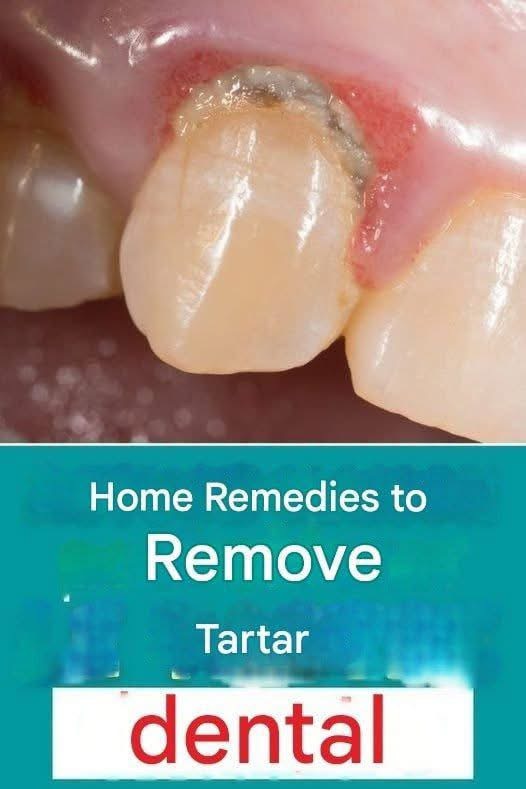
Have you ever noticed a hard, yellowish or brownish buildup along your teeth and wondered what it is?You may be looking at dental tartar, also known as calculus. It is extremely common, but unlike ordinary plaque, tartar cannot simply be brushed away at home.The good news is that understanding how tartar forms—and how to prevent it—can make caring for your teeth much easier.What Exactly Is Tartar?Plaque is a sticky film that constantly develops on our teeth. It contains bacteria, food particles, and other substances found naturally in the mouth.When plaque isn’t removed thoroughly through regular brushing and cleaning between the teeth, it can gradually harden as minerals in saliva become deposited in it.That’s when plaque becomes tartar.Once tartar has hardened, a toothbrush can’t remove it effectively. Trying to scrape it away yourself can also damage your enamel or injure your gums.Professional dental cleaning is the safest way to remove established tartar.Why Do Some People Develop More Tartar?Everyone’s mouth is different, and some people naturally develop tartar more quickly than others.Factors that can contribute include: The mineral composition of your saliva The position and shape of your teeth Crowded or irregular teeth that are difficult to clean Changes in oral hygiene habits Smoking or tobacco use Frequent consumption of sugary foods and drinks Certain health conditions or medications that affect the mouth Rather than blaming yourself for tartar buildup, think of it as a reminder to pay a little extra attention to your daily oral-care routine.What Happens If Tartar Is Left Untreated?Tartar isn’t simply a cosmetic concern.Because it provides a rough surface where plaque can accumulate, it can contribute to irritation and inflammation of the gums.Over time, untreated gum disease can progress from gingivitis to periodontitis, a more serious condition that can damage the tissues and bone supporting your teeth.Possible warning signs include: Red, swollen, or tender gums Bleeding when brushing or flossing Persistent bad breath Gum recession Loose teeth in advanced gum disease This is why regular dental checkups and professional cleanings are so important.Can You Remove Tartar Naturally at Home?This is where it’s important to separate internet remedies from good dental advice.You may have seen recipes recommending baking soda, salt, lemon juice, toothpicks, or other homemade mixtures to dissolve or scrape away tartar.I wouldn’t recommend using these methods.Once tartar has hardened, home ingredients cannot safely dissolve it away. Lemon juice is highly acidic and can contribute to enamel erosion, while aggressive brushing with abrasive substances such as salt or baking soda may irritate the gums or contribute to tooth wear.And using a toothpick or other sharp object to scrape tartar can accidentally injure your gums or damage the surface of your teeth.A homemade remedy may sound wonderfully simple, but when it comes to your teeth, gentle and proven care is the better choice.The Simple Daily Routine That HelpsFortunately, preventing plaque buildup doesn’t require a complicated routine.Brush Twice a DayUse a fluoride toothpaste and a soft-bristled toothbrush. Brush gently for around two minutes, paying attention to the gumline as well as the visible surfaces of your teeth.Clean Between Your TeethA toothbrush can’t reach every space between your teeth.Floss, interdental brushes, or another dentist-recommended method can help remove plaque from these areas.Watch Your DietFrequent sugary snacks and drinks can increase the risk of tooth decay. Choosing water more often and limiting sugary foods can support better oral health.Don’t SmokeSmoking and tobacco use can significantly affect gum health and increase the risk of periodontal disease.Keep Your Dental AppointmentsEven an excellent home-care routine can’t remove established tartar.Professional dental cleaning allows your dental team to remove calculus safely and check for early signs of gum disease or other problems.A Little Prevention Goes a Long WayThere’s something reassuring about knowing that good oral health doesn’t have to be complicated.You don’t need harsh ingredients or elaborate homemade treatments. A soft toothbrush, fluoride toothpaste, cleaning between your teeth, sensible eating habits, and regular dental care can go a long way.And if you’ve already noticed tartar, don’t feel embarrassed. It’s incredibly common.Instead of trying to scrape it away yourself, make an appointment with your dentist or dental hygienist and let a professional take care of it safely.Your smile deserves gentle care—not a harsh DIY treatment.The TakeawayPlaque can be removed at home. Tartar generally cannot.Once plaque hardens into tartar, professional dental cleaning is the safest and most effective way to remove it.So, rather than reaching for lemon juice, salt, or a sharp toothpick, focus on the habits that really help: brush twice daily with fluoride toothpaste, clean between your teeth, limit frequent sugary foods and drinks, avoid tobacco, and keep up with your dental appointments.A little consistent care today can make a big difference to the health of your smile tomorrow.

Oct 08, 2026
Why Left-Handedness Is Captivating Scientists Worldwide New

Why Left-Handedness Is Captivating Scientists Worldwide

For most people, using the right hand to write, eat, throw, or perform everyday tasks feels completely natural.But for roughly one in ten people, the left hand is dominant.Left-handedness has existed throughout human history and appears across populations around the world. Yet despite being relatively common, scientists still don’t have a single, simple answer to the question: Why are some people left-handed?Researchers have studied handedness from many different perspectives, including genetics, brain development, prenatal factors, neuroscience, psychology, and human evolution.What they’ve discovered is fascinating.Left-handedness isn’t simply a matter of choosing to use one hand over the other. It’s linked to the way the developing brain and body become organized.And although plenty of myths surround left-handed people, modern research suggests that being left-handed is best understood as a natural variation in human development.What Does It Mean to Be Left-Handed?A person is generally described as left-handed when they naturally prefer their left hand for tasks requiring precision or skilled movement.Writing is an obvious example, but handedness can also influence which hand a person prefers for: Throwing a ball Using scissors Brushing their teeth Using a computer mouse Eating with utensils Drawing Using tools Handedness exists on a spectrum, however.Some people have a strong preference for one hand, while others are more comfortable switching between their hands depending on the task.This is sometimes described as mixed-handedness or cross-dominance.So being left-handed isn’t necessarily as simple as “the left hand does everything.”How Common Is Left-Handedness?Left-handed people make up a minority of the global population, with estimates commonly placing the proportion at around 10%.The exact percentage can vary depending on how handedness is measured and which population is studied.Interestingly, left-handedness appears in cultures and populations throughout the world.That suggests it isn’t simply a cultural habit.Instead, handedness appears to have a substantial biological component, although the exact mechanisms are still being investigated.This is where the science becomes particularly interesting.There isn’t a single “left-handed gene” that determines whether someone will use their left or right hand.Instead, researchers believe handedness develops through a complicated combination of genetic influences, prenatal development, brain organization, and environmental factors.Genetics Plays a RoleHandedness can run in families.Children with left-handed parents may be more likely to become left-handed themselves, suggesting that genetic factors contribute to handedness.But genetics clearly isn’t the whole story.A child can have two right-handed parents and still become left-handed.Likewise, identical twins, who share almost all of their DNA, can sometimes have different hand preferences.This tells researchers that other factors must also influence the development of handedness.The Brain and Left-HandednessOne of the most fascinating aspects of left-handedness is its relationship with the brain.The human brain has two hemispheres — the left and right sides — that communicate constantly but aren’t completely identical in how they process information.This is known as brain lateralization.In many right-handed people, language-related functions are strongly associated with the left hemisphere.Left-handed people, however, tend to show greater variation in how certain functions are organized across the two hemispheres.That doesn’t mean that left-handed people simply have a “right-brained” brain.The popular idea that right-handed people are logical and left-handed people are creative because of brain dominance is an oversimplification.The brain is much more interconnected and complicated than that.Are Left-Handed People More Creative?This is one of the most persistent claims about left-handedness.Left-handed artists, musicians, writers, architects, and other creative professionals have certainly existed throughout history.But does being left-handed actually make someone more creative?The evidence isn’t strong enough to say that left-handedness automatically produces greater creativity.Creativity is influenced by many factors, including personality, education, environment, experience, motivation, and individual differences in thinking.So while some studies have explored possible relationships between handedness and particular cognitive abilities, being left-handed shouldn’t be treated as a guarantee of artistic or creative talent.The reality is more interesting than the stereotype.Does Being Left-Handed Affect Intelligence?There is also no good reason to assume that left-handed people are inherently more or less intelligent than right-handed people.Intelligence is a complex collection of abilities, and handedness alone doesn’t determine someone’s intellectual potential.A person’s education, environment, genetics, health, experiences, and many other factors contribute to cognitive development.Being left-handed is simply one aspect of human variation.Why Does Handedness Develop Before Birth?Scientists believe that the foundations of handedness begin developing before birth.Fetal movements can sometimes show an early preference for one hand, although handedness isn’t necessarily fixed at that stage.The developing nervous system becomes increasingly organized as pregnancy progresses, and genetic and environmental factors may influence this process.Researchers are still investigating exactly how these influences interact.This is one reason handedness remains such an interesting subject in neuroscience.Is Left-Handedness Genetic or Environmental?The best answer is: both may contribute.Genetics appears to influence the likelihood of becoming left-handed, but there isn’t a simple inheritance pattern.Prenatal development may also play a role, as can other biological and environmental influences.This helps explain why handedness can run in families without following a predictable pattern.It also explains why identical twins can sometimes differ in their preferred hand.Why Is Right-Handedness More Common?Humans are unusual because a strong preference for one hand is common across the population.But why is right-handedness so much more common?Scientists have proposed several theories involving brain organization, cooperation, tool use, language, social behavior, and evolutionary pressures.However, there isn’t one universally accepted explanation that accounts for everything.The persistence of left-handedness itself creates an interesting evolutionary question.If there were a strong universal disadvantage to being left-handed, we might expect the trait to have disappeared or become extremely rare.Instead, left-handedness has persisted throughout human history.That suggests the evolutionary story is more complicated.Were Left-Handed People Treated Differently in the Past?Definitely.In some cultures and historical periods, left-handedness was viewed negatively.Children were sometimes encouraged — or even forced — to use their right hand for writing and other activities.Some traditional beliefs associated the left hand with bad luck, impurity, or undesirable behavior.Modern science has largely moved away from these ideas.There is no scientific basis for treating natural left-handedness as a defect that needs to be corrected.Today, educators generally recognize that children should be supported in developing comfortable and effective ways of performing tasks with their naturally preferred hand.Are Left-Handed People at a Disadvantage?Modern life is designed largely around right-handed habits.This can create practical inconveniences for left-handed people.Examples include: Scissors designed primarily for right-handed users Desks with attached writing surfaces Certain tools Computer mice and controls Sports equipment Writing systems that can make smudging more likely These aren’t necessarily biological disadvantages.They’re often simply consequences of living in a world where the majority of people are right-handed.Thankfully, many products are now available specifically for left-handed users.Does Left-Handedness Affect Sports?Handedness can sometimes be relevant in sports.In activities involving opponents, such as tennis, boxing, baseball, or fencing, facing a left-handed opponent can require different strategies because most competitors are accustomed to playing against right-handed opponents.This can sometimes give left-handed athletes a tactical advantage.But again, being left-handed doesn’t automatically make someone a better athlete.Training, physical ability, technique, experience, and many other factors remain far more important.Why Are Left-Handed People So Interesting to Scientists?Handedness provides researchers with a useful window into human brain development.By studying why some people develop a left-hand preference while most develop a right-hand preference, scientists can investigate broader questions about: Brain lateralization Motor development Genetics Prenatal development Language organization Human evolution Individual differences In other words, studying left-handedness isn’t just about hands.It’s also a way of learning more about how the human brain develops and organizes itself.Frequently Asked Questions About Left-HandednessWhat percentage of people are left-handed?Approximately 10% of people are left-handed, although estimates vary depending on the population and how handedness is measured.Is being left-handed genetic?Genetics contributes to handedness, but there isn’t a single gene that determines whether someone will be left-handed. Prenatal development and other biological factors also appear to play a role.Are left-handed people more intelligent?There is no strong evidence that being left-handed automatically makes someone more or less intelligent. Handedness is a variation in motor preference, not a measure of intelligence.Are left-handed people more creative?Some research has investigated possible connections between handedness and creativity, but being left-handed doesn’t guarantee greater creativity. Individual experience, personality, education, and many other factors influence creative ability.Can a child become left-handed later?Hand preference develops gradually during childhood. Young children may switch hands during different activities before developing a more consistent preference.Can you change a person’s handedness?It is generally unnecessary to try to change a child’s natural hand preference. Children should be allowed to develop comfortable and effective motor skills using their naturally preferred hand.Do left-handed people have a different brain?Left-handed people can show differences in patterns of brain lateralization compared with right-handed people, particularly in how certain functions are organized. However, there is considerable individual variation.Why are most people right-handed?Scientists believe the prevalence of right-handedness reflects a combination of biological, developmental, and evolutionary influences. The exact reason remains an active area of research.The Bottom LineLeft-handedness may seem like a simple difference in which hand a person prefers, but the science behind it is surprisingly complex.Genes appear to play a role, but they don’t tell the whole story. Brain development, prenatal factors, and other influences may all contribute to whether someone becomes left- or right-handed.And despite longstanding myths, being left-handed isn’t a sign of lower intelligence, a medical problem, or a guaranteed creative advantage.It’s simply one of the many fascinating variations found in human development.The next time you notice someone naturally reaching for a pen, throwing a ball, or picking up a tool with their left hand, remember: that small preference may offer scientists a fascinating glimpse into the extraordinary complexity of the human brain

Oct 08, 2026
Why These Foods Are Suddenly Essential for Better Circulation New

Why These Foods Are Suddenly Essential for Better Circulation

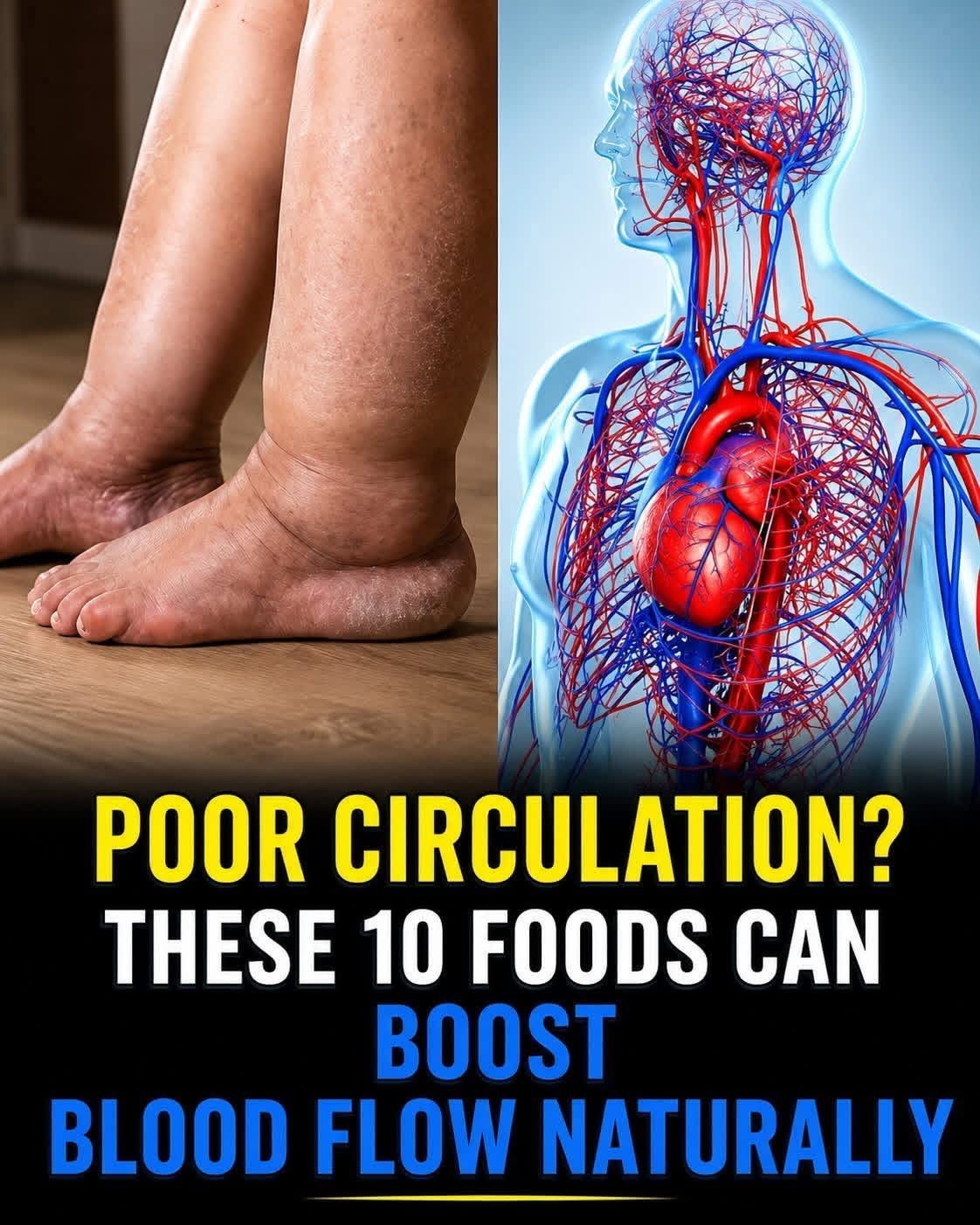
Looking for foods for poor circulation? Certain foods may support healthy blood flow, blood vessels, blood pressure, and overall cardiovascular health. From beetroot and leafy greens to fatty fish, berries, nuts, and whole grains, adding more nutrient-rich foods to your diet can be a useful part of a heart-healthy lifestyle.Cold feet, swollen ankles, numbness, tingling, or heavy legs are often described as signs of poor circulation. However, these symptoms can have many different causes, including prolonged sitting, vein problems, nerve conditions, diabetes, peripheral artery disease, and other cardiovascular conditions.That means there isn’t one food that can “fix” poor circulation.Instead, the best approach is to build an overall eating pattern that supports healthy blood vessels and cardiovascular function.In this guide, we’ll look at 10 foods that may support healthy blood flow naturally, explain why they can be beneficial, and discuss when circulation symptoms should be checked by a healthcare professional.“Poor circulation” is a common phrase rather than a specific medical diagnosis.The cause matters because these symptoms don’t all come from the same problem.For example, peripheral artery disease (PAD) can develop when arteries supplying the legs become narrowed. Some people experience pain or cramping in the legs while walking that improves after resting.Venous problems can produce a different pattern. When blood doesn’t return efficiently through the veins, fluid may accumulate in the lower legs and ankles, causing swelling or heaviness.Nerve problems, certain medications, thyroid disorders, anemia, dehydration, and prolonged inactivity can also cause symptoms that people interpret as poor circulation.So while changing your diet can support cardiovascular health, it shouldn’t replace finding out what’s causing persistent symptoms.Can Food Improve Blood Circulation?A healthy diet can support many factors involved in cardiovascular and vascular health.For example, certain foods provide: Dietary fiber Unsaturated fats Potassium Magnesium Natural nitrates Omega-3 fatty acids Polyphenols and other plant compounds These nutrients and compounds may support healthy blood pressure, cholesterol levels, blood vessels, and overall heart health.However, it’s important to keep expectations realistic.No single food can instantly improve circulation, dissolve arterial plaque, or unblock a blood vessel.Instead, think about the overall pattern of what you eat.A diet rich in vegetables, fruits, whole grains, legumes, fish, nuts, seeds, and unsaturated fats can be a much more meaningful strategy for long-term cardiovascular health.1. BeetrootBeetroot is one of the most commonly discussed foods for blood flow because it naturally contains dietary nitrates.The body can convert nitrates into nitric oxide, a compound involved in blood-vessel relaxation and vascular function.Research suggests that dietary nitrate may influence blood pressure and certain aspects of vascular function.That doesn’t mean beetroot juice will suddenly “clear your arteries.”Instead, beetroot can be one nutritious component of a balanced diet designed to support cardiovascular health.Try roasted beetroot in salads, grain bowls, or vegetable dishes.2. Leafy Green VegetablesLeafy greens such as spinach, rocket, kale, lettuce, and Swiss chard can provide several nutrients associated with cardiovascular health.They’re sources of: Natural nitrates Potassium Magnesium Folate Fiber Plant compounds They’re also generally low in calories and easy to incorporate into everyday meals.Add leafy greens to salads, soups, omelets, sandwiches, pasta, or smoothies.Rather than looking for one “best” vegetable for circulation, aim for variety.3. BerriesBlueberries, strawberries, raspberries, and blackberries are rich in polyphenols and other plant compounds.They also provide dietary fiber and naturally occurring vitamins and minerals.Eating a variety of fruits and vegetables gives your body a broad range of nutrients and plant compounds that can support overall health.For an easy breakfast, add berries to oatmeal or natural yogurt.You can also use frozen berries in smoothies or eat them as a simple snack.4. Citrus FruitsOranges, grapefruit, lemons, and other citrus fruits provide vitamin C, flavonoids, and other plant compounds.Whole citrus fruits also provide fiber.This is one reason whole fruit is generally a better everyday choice than relying heavily on fruit juice.If you’re looking for simple ways to add more foods that support cardiovascular health, try an orange as a snack or add citrus segments to salads.5. Fatty FishFatty fish such as salmon, sardines, trout, herring, and mackerel provide omega-3 fatty acids and high-quality protein.Omega-3 fats are associated with cardiovascular health and are a common part of heart-healthy eating patterns.Fish can also be useful as a replacement for meals containing processed or fatty meats.This highlights an important principle of healthy eating: what you replace can matter just as much as what you add.Try replacing some processed meat meals with grilled salmon, sardines, or another oily fish.6. Nuts and SeedsNuts and seeds can be excellent additions to a heart-healthy diet.Almonds, walnuts, pistachios, chia seeds, and flaxseeds provide combinations of: Unsaturated fats Fiber Minerals Plant-based nutrients Walnuts are particularly notable for their fatty-acid profile, while chia and flaxseeds provide alpha-linolenic acid, a plant-based omega-3 fatty acid.Remember that nuts and seeds are energy-dense, so portion size still matters.A small handful of nuts or a spoonful of seeds can be enough to add nutritional value to a meal.7. Beans and Other LegumesBeans, lentils, chickpeas, and peas are sometimes overlooked when people search for foods that improve circulation.Yet they’re packed with dietary fiber and provide useful amounts of plant protein.Soluble fiber can help reduce LDL cholesterol by affecting the absorption and recycling of bile acids.Try adding lentils to soups, chickpeas to salads, or beans to chili and stews.Replacing some meat-based meals with legumes can also improve the overall nutritional profile of your diet.8. Whole GrainsWhole grains such as oats, barley, brown rice, and whole-grain bread can help increase your daily fiber intake.Oats and barley are particularly interesting because they contain beta-glucan, a type of soluble fiber associated with LDL-cholesterol reduction.If you currently eat mostly refined grains, gradually switching to whole-grain alternatives can be a simple dietary change.For example, try: Oatmeal instead of a highly refined breakfast cereal Whole-grain bread instead of white bread Brown rice instead of refined white rice Barley in soups and stews 9. Extra-Virgin Olive OilExtra-virgin olive oil is a key feature of Mediterranean-style eating patterns.It is rich in monounsaturated fat and contains a variety of plant compounds.One practical way to use it is to replace some sources of saturated fat.For example, use olive oil in salad dressings or cooking instead of relying heavily on butter.The goal isn’t to consume large quantities of olive oil because it’s considered “healthy.”It’s to use it as part of an overall balanced eating pattern.10. AvocadoAvocado provides monounsaturated fat, fiber, and several micronutrients.Like olive oil, avocado can be particularly useful when it replaces foods containing less favorable types of fat.Try adding avocado to salads, whole-grain toast, sandwiches, or grain bowls.Again, portion size matters because avocado is relatively calorie-dense.What Foods Should You Limit for Better Circulation?When thinking about diet and circulation, it’s easy to focus entirely on what you should eat.But what you eat less often can also matter.A diet that includes vegetables and berries but is still dominated by processed meat, salty snacks, sugary drinks, and highly refined foods may not provide the cardiovascular benefits you’re looking for.Instead of simply asking:“What foods improve blood circulation?”Try asking:“What unhealthy foods can I replace with healthier options?”For example: Replace processed meat with beans or fish. Replace butter with an unsaturated vegetable oil. Replace sugary drinks with water. Replace refined grains with whole grains. Replace highly processed snacks with fruit, nuts, or yogurt. These changes may seem simple, but consistency is more important than finding a miracle food.What About Garlic for Circulation?Garlic is frequently promoted online as a natural remedy for poor circulation.Garlic contains biologically active compounds, and some research has investigated its potential effects on cardiovascular risk factors.However, claims that garlic can literally “dissolve plaque” or “clean blocked arteries” go beyond what the evidence supports.Garlic can certainly be part of a healthy diet.It shouldn’t, however, be considered a replacement for medical treatment.Is Dark Chocolate Good for Blood Flow?Cocoa contains flavanols that have been studied for their potential effects on vascular function.However, chocolate products can also contain considerable amounts of sugar and calories.If you enjoy dark chocolate, a modest portion of a higher-cocoa product can fit into a balanced diet.The important point is that one food doesn’t determine your cardiovascular health.Your overall dietary pattern matters much more.Can Ginger Improve Circulation?Ginger contains several bioactive compounds and has been investigated for a range of potential health effects.However, there isn’t strong evidence that eating ginger alone can cure poor circulation or restore blocked blood vessels.It’s perfectly reasonable to include ginger in a varied diet, but be cautious of online claims that present ordinary foods as medical treatments.When Should Poor Circulation Be Checked by a Doctor?Diet can support your health, but persistent circulation symptoms shouldn’t simply be treated with food.Speak with a healthcare professional if you experience ongoing or unexplained: Leg pain when walking that improves with rest Numbness or weakness Persistent swelling Changes in skin color Unusually cold feet Wounds that heal slowly Recurrent leg discomfort Sudden swelling in one legSudden swelling, pain, warmth, or redness affecting one leg can sometimes be associated with a deep-vein thrombosis (DVT).This requires prompt medical assessment.If you experience sudden shortness of breath, chest pain, coughing up blood, fainting, or severe difficulty breathing, seek urgent medical attention.These symptoms can indicate a potentially serious blood clot complication.Other Ways to Support Healthy CirculationFood is only one part of cardiovascular health.Regular movement is also important.Walking, cycling, swimming, and other forms of physical activity can support cardiovascular fitness and help reduce the effects of prolonged sitting.If you’ve been diagnosed with peripheral artery disease or another cardiovascular condition, speak with a healthcare professional about the most appropriate type and intensity of exercise for you.Smoking is another major factor to consider.Smoking damages blood vessels and increases the risk of cardiovascular disease and peripheral artery disease.No food can compensate for the effects of continued smoking.Managing blood pressure, blood sugar, LDL cholesterol, and other cardiovascular risk factors is equally important.Frequently Asked Questions About Foods for Poor CirculationWhat is the best food for poor circulation?There isn’t one best food for poor circulation. A varied diet containing vegetables, fruit, whole grains, legumes, fish, nuts, seeds, and unsaturated fats is a better approach for supporting overall cardiovascular health.What foods increase blood flow naturally?Foods containing natural nitrates, unsaturated fats, omega-3 fatty acids, fiber, and plant compounds may support cardiovascular and vascular health. Examples include beetroot, leafy greens, fatty fish, nuts, seeds, berries, legumes, and olive oil.What foods are good for circulation in the legs?Foods that support overall cardiovascular health can also contribute to healthy circulation in the legs. These include leafy greens, beetroot, berries, fatty fish, legumes, whole grains, nuts, seeds, and unsaturated fats.However, persistent leg symptoms should be medically assessed because circulation problems can have different causes.Can drinking water improve circulation?Staying adequately hydrated supports normal body function, but drinking extra water isn’t a treatment for blocked arteries or significant vascular disease.If you’re experiencing persistent circulation symptoms, it’s important to investigate the underlying cause.Can foods unblock arteries?No single food can unblock an artery.A heart-healthy diet can help manage cardiovascular risk factors such as LDL cholesterol, blood pressure, and body weight, but established arterial disease may require medical treatment.What should I avoid if I have poor circulation?There isn’t one universal list of foods everyone with circulation symptoms must avoid.However, limiting excessive amounts of highly processed foods, sodium, added sugars, and saturated fats can be part of a heart-healthy dietary pattern.Your individual needs may differ, particularly if you have a diagnosed medical condition.Final Takeaway: Focus on the Bigger PictureIf you’re searching for foods for poor circulation, it’s tempting to look for one ingredient that will dramatically improve blood flow.Unfortunately, nutrition doesn’t work that way.Beetroot, leafy greens, berries, citrus fruits, fatty fish, nuts, seeds, legumes, whole grains, olive oil, and avocado can all fit into a dietary pattern designed to support cardiovascular health.But the real benefit comes from the overall pattern — and from maintaining those habits consistently.At the same time, don’t ignore persistent symptoms.Swelling, numbness, leg pain when walking, skin-color changes, unusually cold feet, or slow-healing wounds can have medical causes that food alone cannot treat

Oct 08, 2026
Billie Eilish's Lightest Hair Yet Has Fans Buzzing New

Billie Eilish's Lightest Hair Yet Has Fans Buzzing

See more of our coverage in your search results. Billie Eilish returned to Instagram, showing off a new strawberry blond hair color. Instagram/@billieeilishBillie Eilish is taking a walk on the lighter side.The singer debuted a major hair transformation on Instagram — her lightest tone in six years.Eilish kicked off the slideshow of pics with a mirror selfie, wearing khaki pants and a navy sweater.Making a face for the snap, her shoulder-length hair is effortlessly swept into a side-part in a bright shade of strawberry blond.She also included a throwback snap with her blue hair and gave a look at her two hip tattoos in additional photos.In the same post, she flashed her hip tattoos and belly button piercing. Instagram/@billieeilishEilish has been filming “The Bell Jar,” where she’ll make her feature film debut as Esther Greenwood, sporting a light brown hair color. Sean O'Neill / BACKGRIDFans were loving the new look, with one commenting, “Finally I see the resemblance with Finneas😭,” referring to her brother. Paramore singer Hayley Williams said, “Natural hair gang ?!”Eilish has been somewhat out of the spotlight while filming the screen adaptation of Sylvia Plath’s “The Bell Jar,” in which she plays the main character, Ester Greenwood.The “Bad Guy” singer has tried out every color dye under the sun. Getty ImagesShe pioneered a colorful root trend. Getty Images for The Recording AcademyFor the role, she cut her hair to her shoulders and went with a chesnut brunette for the duration of filming.The “Bad Guy” singer, 24, has always been fearless when it comes to her look, and has experimented with nearly every hair color under the sun, including platinum blond, green, blue and pioneered the neon root trend. Most recently, she’s been sporting dark brown hair since 2021.In 2021, she went platinum blond — though later regretted it. FilmMagicShe’s stuck to a very dark brown color for the past few years. FilmMagicBut Eilish hasn’t enjoyed every shade; in 2023, she revealed that she did not have more fun as a blonde.“At first it was fun. I was really excited for the blond era — like, Blond Billie is gonna be so cool,” she told the publication. “But it did not go how I wanted it to go.”“I completely had no idea who I was,” Eilish admitted. “I came up with this whole aesthetic, and I just got swallowed up into it.”But the opposite didn’t stick, either. “I look back at that and I’m like, ‘Who is this brunette? A brunette! That wasn’t me,” she said at the time.Perhaps this is a new era for the pop star. Community GuidelinesWelcome to the Page Six Community!Our community is about connecting people through open and thoughtful conversations. We want our readers to share their views and exchange ideas in a safe space.In order to do so, we've created a simple set of rules that will improve your experience.Simply put, keep it civil.Your post will/might be rejected if it contains: Spam Insults, profanity, incoherent, obscene or inflammatory language and threats of any kind Attacks on the identity of other commenters or the article's author User accounts will/might be blocked if we notice: Continuous attempts to re-post comments that have been previously moderated/rejected Racist, sexist, or homophobic comments Attempts or tactics that put the site security at risk So, how can you be a power user? Stay on topic and share your passion. Feel free to elaborate to get your point across. 'Like' or 'Dislike' when you are filled with emotions! Protect your community. Use the report tool to alert us when someone breaks the rules. Thanks for reading our community guidelines. Don't forget, freedom of speech is not the freedom of reach!

Oct 08, 2026
Travis Barker's Surgery Shocker: What Really Happened? New

Travis Barker's Surgery Shocker: What Really Happened?

Travis Barker is revealing the reason he was recently hospitalized after the famed drummer shared a candid picture of his stay alongside his wife, Kourtney Kardashian. "I had surgery yesterday," Barker, 50, shared via his Instagram Story on Wednesday, October 7. "My arm, hand and fingers have been numb since a show I played last month. I did a nerve test Monday after my show and turns out I need a cubital tunnel release to fix a nerve." A c​​ubital tunnel surgery involves releasing the tight ulnar nerve — or funny bone — that crosses the elbow, per the Mayo Clinic. The Blink-182 member originally raised concerns among fans after posting photos of himself in a hospital bed while wearing a medical gown on Tuesday, October 6. Barker's wife, Kardashian, and daughter Alabama Barker accompanied him while he was hospitalized. "I wanted to get ahead of [this injury] and get it over with so that I keep playing the way I play for a long time," Barker clarified in Wednesday's Instagram post. "Should be good in a few weeks." Alongside an explanation for his hospitalization, Barker shared a photo of a smiling Kardashian, 47, at his bedside. "Not sure why my wife looks so happy about this," he joked. Barker has endured a series of major health scares throughout the years. The musician survived a 2008 plane crash that killed four of the six people on board — though he experienced third-degree burns on 65 percent of his body and underwent 26 surgeries to treat his injuries. He later compared his recovery to going through rehab, saying in 2021 he was in "better shape than I’ve ever been" due to his dedication to physical therapy. (Barker's friend and collaborator DJ AM also survived the crash but died at age 36 of an accidental overdose in August 2009.) "People are always like, ‘Did you go to rehab?’” he told Men's Health at the time. “And I [say], ‘No, I was in a plane crash.’ That was my rehab. Lose three of your friends and almost die? That was my wake-up call. If I wasn’t in a crash, I would have probably never quit.” Blink-182 were forced to postpone their "Kings of the Weekend" concert residency at the Palms Casino in Las Vegas in June 2018 when Barker developed blood clots in both of his arms. During his hospitalization, he was diagnosed with a staph infection and a skin condition called cellulitis. (Cellulitis is caused by "bacteria entering through a break in the skin" and can make the affected area swollen, painful and warm, according to the Mayo Clinic.) “I am recovering, I have blood clots,” Barker told E! News later that month. “I have, I think, like 30 in my right hand and arm and I have about 10 in my left so I’m just waiting for them to clear up. I’m on blood thinners.” More recently, Barker temporarily required the use of crutches in December 2025, when he injured his tibia while training for the Los Angeles Marathon. Barker is an avid runner, having founded his own Run Travis Run events where he undertakes 5K runs along with his fans.

Oct 08, 2026
The Math Puzzle Everyone Gets Wrong: What's the Real Answer? New

The Math Puzzle Everyone Gets Wrong: What's the Real Answer?

Have you ever come across a math puzzle on social media that seems so easy, yet almost everyone gets it wrong?This classic puzzle claims to be an official interview question from Google.It looks like a simple arithmetic test, but it is actually a clever visual riddle.At first glance, your eyes naturally trace the lines of numbers inside the box.Most people look at the first row and calculate five ones added together.Then they look at the second row and add another five ones.Finally, they look at the last row, perform the multiplication first, and finish the equation.However, this exact approach leads straight into the creator’s visual trap.Let’s break down why the most common answers are completely incorrect.The image explicitly warns us that the answer is not 12, 10, or 1.Why do so many people get 12 as their final answer?They simply add all the numbers in order: 1+1+1+1+1 + 1+1+1+1+1 + 1+1×0+1.They calculate 10 from the first two rows, and then add 1 + 0 + 1 from the last row.Why do other people guess 1 or 10?Some people think the zero at the bottom cancels out everything before it.Others only calculate the very last line inside the box and ignore the top two rows entirely.To find the true answer, you need to look very closely at the layout of the text.Notice how the equations are written across the three rows inside the box.Look at the end of the first line: there is no plus sign or equal sign after the last 1.Look at the end of the second line: there is also no mathematical symbol after the last 1.In standard mathematics, a line break without an operator does not mean the expression stops.Instead, the number at the end of line one and the number at the start of line two combine.The digit ‘1’ at the end of row one connects directly with the digit ‘1’ at the beginning of row two.Together, they form the two-digit number 11.The exact same thing happens between the end of line two and the beginning of line three.That last ‘1’ on line two and the first ‘1’ on line three also form another 11.Now, let’s rewrite the entire puzzle as a single continuous mathematical equation:1 + 1 + 1 + 1 + 11 + 1 + 1 + 1 + 11 + 1 x 0 + 1 = ?To solve this correctly, we must apply the basic rule of order of operations (PEMDAS/BODMAS).According to this rule, multiplication must always be performed before addition.In our long equation, the only multiplication part is (1 x 0), which equals 0.Now we can replace (1 x 0) with 0 and simplify the entire expression step by step:1 + 1 + 1 + 1 + 11 + 1 + 1 + 1 + 11 + 0 + 1 = ?Let’s add all these remaining numbers together carefully:1 + 1 + 1 + 1 = 44 + 11 = 1515 + 1 + 1 + 1 = 1818 + 11 = 2929 + 0 = 2929 + 1 = 30Therefore, the correct logical answer to this famous puzzle is 30.It is not a trick of complex math, but a lesson in careful reading and observation.

Oct 08, 2026