Browse

Latest Headlines

Fresh headlines, crisp visuals — faster reading.

Why Pauly D's Secret Engagement Left the 'Jersey Shore' Cast Surprised New

Why Pauly D's Secret Engagement Left the 'Jersey Shore' Cast Surprised

The cast of Jersey Shore found out about costar Paul “Pauly D” DelVecchio’s engagement along with the rest of the world. “He didn’t tell any of us,” Nicole “Snooki” Polizzi said during a recent appearance on MuchMusic. “So we were all like, ‘Hello?’” Despite Pauly D, 46, keeping a big secret from his pals, Snooki, 38, said she’s “very excited” about the DJ’s engagement to Nikki Hall. “I feel like they were married anyway, but I mean, she was excited to marry him and, yeah, I’m super excited for them. But yeah, Pauly didn’t say a word to any of us,” Snooki continued before joking, “So rude!” She concluded, “He kept it quiet, but, you know, we’re proud of him, and we’re happy for them.” Pauly D popped the question to Nikki, 34, during a DJ set at a pool party at OMNIA Dayclub inside Caesars Palace in Las Vegas last month. The couple shared footage of the proposal via Instagram that same day. “We’ve spent these years choosing each other, growing together, building a life we love, and never rushing a chapter just because the world was ready to read it,” Nikki wrote alongside photos of her future husband down on one knee. “No pressure. No timeline. Just ours — and God’s. & as always, His timing was perfect.” The content creator added, “The easiest YES I’ve ever said @djpaulyd ����.” Pauly D commented, “She said yesssssss!!!!! ��.” Several Jersey Shore stars celebrated the engagement, including Snooki, who commented on the post, “Congrats! ❤️��.” Pauly D’s BFF Vinny Guadagnino, meanwhile, shared a hilarious AI-generated video depicting him standing in the rain as the newly engaged couple snuggled up to each other inside a house. “I’m not OK,” Vinny, 38, joked in the caption, Pauly D, who shares 13-year-old daughter Amabella with ex Amanda Markert, met Nikki on MTV’s Double Shot at Love in 2019 and began dating the reality star the following year. The couple quarantined together in 2020, as shown on Jersey Shore: Family Vacation. “Through this pandemic, I’m full of surprises — I grew myself, I grew a beard and I got a girlfriend,” Pauly D said in a confessional. “Nikki and I, we left Double Shot with a connection, and we rebuilt that connection on Double Shot 2. It’s pretty crazy how my relationship has grown. This whole quarantine thing has been a blessing and a curse. It pulled [my] tour away from me, but it brought me closer together with my relationship with Nikki.”

Oct 07, 2026
The Heartbreaking Truth Behind 43 Unanswered Calls New

The Heartbreaking Truth Behind 43 Unanswered Calls

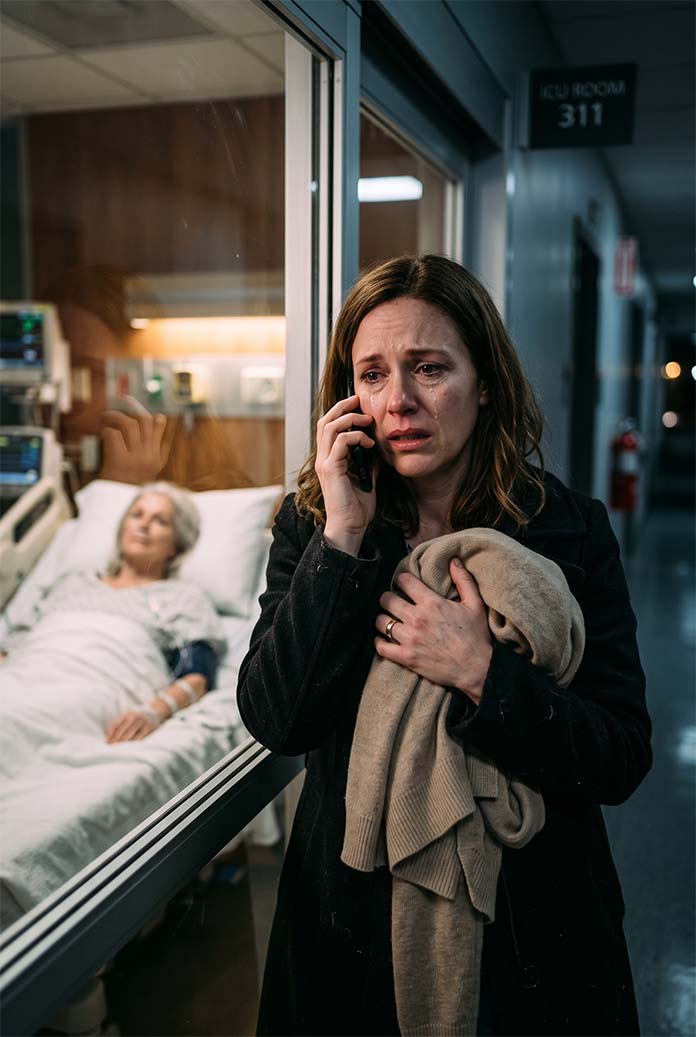
I called my husband abroad 43 times while Mom lay in intensive care. He answered only once. “Please come home,” I begged. “She’s dying.” “I’m not flying home every time your family has a crisis.” He hung up before I could correct him. I thought that was the cruelest thing he could do to me until he finally came home and a message lit up his phone.Adrian and I had been married for 14 years.For the last 4, he had worked in Singapore, managing construction projects for an international company.The assignment was supposed to last 18 months.Then there was an extension.Then a promotion.Then another project that would supposedly give us enough savings for him to come home permanently.“One more year,” he always said. “I’m doing this for us.”At first, he flew home every 8 weeks. Then every 4 months.By the time his mother collapsed, I hadn’t seen him in nearly 9.Our calls had grown shorter. He was always heading into a meeting, finishing a report, or too tired to talk.Whenever I suggested visiting him, there was a reason to wait.His apartment was being renovated. He was working nights. He might be transferred.After his mother moved in with me, the excuse became easier.“Who would stay with Mom?”There were possible answers. A cousin. A temporary caregiver. My friend Tessa, who had offered more than once.But Adrian always made leaving sound selfish.So I stayed.Ruth was 76, with arthritis, an irregular heartbeat, and strong opinions about how much butter belonged in mashed potatoes.She moved in 2 years after Adrian went abroad.She could still dress herself, make tea, and beat everyone on television quiz shows. But she needed help with shopping, appointments, and the stairs on difficult days.We settled into a life together.I worked in the office of a plumbing company. Before leaving each morning, I set out her tablets. In the evenings, we cooked, watched television, and argued affectionately about whether the house was too warm.She noticed Adrian’s absence.She also noticed how determined I was to excuse it.One evening, after he canceled another promised visit, she found me putting fresh sheets back in the cupboard.“You’re allowed to be disappointed,” she said.“He can’t help it.”“Sometimes he can.”I kept folding.She didn’t push.That was one of the things I loved about her. She knew when a person wasn’t ready to hear the truth.My own mother lived across town.She had chronic heart trouble and had been hospitalized several times that year. The most recent scare had happened only 3 weeks before Ruth’s stroke.That was why Adrian’s initial misunderstanding was possible.What I could never excuse was what he did with it.My mother had helped furnish our first apartment. She had brought groceries when we were struggling and sat beside me after both of my miscarriages.Even if she had been the mother dying, I should not have had to persuade my husband that it mattered.We had never had children.After our second loss, there had been appointments, tests, and years of hope that became increasingly painful.Eventually, Adrian said he couldn’t bear to keep trying.“I hate what this does to you,” he told me.I thought he was protecting me.For years, I remembered that conversation as proof of his kindness.Ruth collapsed on a Thursday morning.She was sitting at the kitchen table, complaining that the supermarket had changed its tea bags.Then her mug slipped from her fingers.By the time I reached her, one side of her face had changed.I called an ambulance and stayed beside her on the floor.She tried to speak, but I couldn’t understand the words.“I’m here,” I kept saying. “I’m right here.”At the hospital, there were scans, hurried conversations, and a doctor who asked me to follow him into a quiet room.The ble:eding in her brain was extensive.The specialists had reviewed her scans. An operation would not offer a realistic chance of recovery.They were keeping her comfortable.He explained everything carefully, but the sentence I remembered was the simplest.“If there are people who need to say goodbye, you should contact them now.”I called Adrian.Then again.Between calls, I sent messages.Mom’s in hospital.It’s serious.Please answer.Nurses kept coming to get me. I would put the phone away, return to her bedside, then step outside and try again.By the time he answered that evening, I was so relieved to hear his voice that I started crying.He mistook my tears for another demand.After he hung up, I sent the message naming Ruth.Then a voice message.Then an email with his mother’s name and the hospital in the subject line.His phone began going straight to voicemail.I called his company’s emergency contact number. The woman who answered promised to try to reach him.There was nothing else she could do.I kept calling anyway.Each time, I imagined the next attempt would be the one he answered.Near midnight, Ruth opened her eyes.I leaned over the bed.“Hello, Mom.”I had called her Mom for nearly 12 years, ever since she told me that “Mrs. Bennett” made her feel like my headmistress.Her eyes moved toward the doorway.I knew who she wanted.“I’ve called him,” I said.Her fingers shifted beneath mine.I wanted to promise he was coming. I wanted to give her that comfort.But I couldn’t bear to make another promise on his behalf.So I pulled my chair closer.“I’m staying.”A nurse brought me a blanket.Someone dimmed the lights.I sat holding Ruth’s hand while the hours passed, speaking whenever the silence became too much.I told her about the roses outside our kitchen window.I reminded her that she still owed me the ending of a story about a disastrous holiday she had taken at 22.Sometimes she seemed to hear me.Sometimes she didn’t.At 5:17 the next morning, she di:ed.There was no final speech.Her breathing changed. The nurse came closer. I stood up because sitting suddenly felt impossible.Then the room became very quiet.I had made 43 calls to her son.He had answered one.Tessa came to the hospital wearing slippers and a coat over her pajamas.She found me sitting beside Ruth’s bed.“Oh, Leah.”I looked up at her.“I don’t know what I’m supposed to do now.”She took my phone and my bag.“For the next few minutes, nothing.”Later, she walked me out to the parking lot.Adrian called at 8:42.“What happened?” he asked. “I just turned my phone on. I’ve seen your messages.”I watched a man helping an elderly woman out of a taxi.He placed his hand above her head so she wouldn’t bump it against the doorframe.“Your mother di:ed this morning.”Silence.“What?”“She di:ed at 5:17.”“But I thought—”“I know what you thought.”“Why didn’t you tell me clearly?”“I tried. You hung up.”“You could have called the office.”“I did.”He stopped talking.Then I heard him breathing hard.“Oh, God.”It was the first honest response he had given me.“Was she awake?”“Sometimes.”“Did she ask for me?”I closed my eyes.“She kept looking at the door.”Adrian arrived on Saturday afternoon.He came into the house pulling an expensive suitcase.His mother’s slippers were still beneath her chair.He saw them and stopped.Then he knelt on the floor.I left him there.That evening, he found me sorting photographs for the funeral.“Leah.”I kept looking through the box.“Please look at me.”“What do you need?”He sat opposite me.“I made a terrible mistake.”“You switched off your phone.”His eyes dropped.“Yes.”“After I told you someone was dying.”“I thought you were trying to pressure me into coming back. I told myself I’d deal with it in the morning.”I stared at him.There it was.He had decided I could wait.“You might not have reached the hospital in time,” I said. “But you could have spoken to her. I could have held the phone beside her ear.”He began crying.“I’ll have to live with that.”I laid a photograph on the table.Ruth at the seaside, laughing with both hands pressed against her hat.“Yes,” I said. “You will.”In the days before the funeral, he behaved like the husband I remembered.He made tea.He answered the door.He thanked neighbors for bringing food and asked whether I had slept.Once, I heard him crying in the bathroom.I believed his grief.That was part of what made everything afterward so difficult.He had loved his mother. I had seen that love over the years.But he had become used to letting other people attend to the inconvenient parts.The appointments.The medications.The fear.At the funeral, he spoke about everything she had sacrificed for him.How she had raised him alone after his father di:ed.How she had worked extra shifts to buy his school uniform.How she had always answered when he needed her.I stared at the program in my lap.When he said, “She never doubted how much I loved her,” Tessa reached over and held my wrist.Afterward, a neighbor told him what a comfort it must have been to Ruth to have such a devoted son.Adrian thanked her.I stepped outside before either of them could look at me.The first sign of his other life was a photograph of a birthday cake.It was the evening of the funeral.Adrian was showering upstairs.Usually, he carried his phone everywhere. I had noticed him taking it into the bathroom and keeping it beside him while he slept, but I had assumed he was waiting for work calls.That evening, exhausted after the funeral, he left it charging on the kitchen counter.I was putting milk in the refrigerator when the screen lit up.A small blue cake appeared in a message preview.Underneath it were the words:Picked it up for tomorrow. Theo keeps asking if Daddy will be back before we light the candles. Please call.The sender was saved as Celia.I stood with the refrigerator door open.Another message arrived.I know your mother needs you, but he only turns 3 once.His mother had been bu:ried that afternoon.I closed the refrigerator.Then I sat at the kitchen table.When Adrian came downstairs, his hair was damp. He was wearing a sweater I had bought him the previous Christmas.“Who is Celia?” I asked.He stopped.“A colleague.”“Does your colleague’s son call you Daddy?”His eyes moved toward the phone.I watched him understand that whatever explanation he chose would have to account for a child.“Leah, there are things I need to tell you.”“How old is he?”He said nothing.“Your son. How old is he?”“3 tomorrow.”I placed both hands flat on the table.A child who was almost 3.A pregnancy before that.Years.“Does she know you’re married?”“She knows we’re legally married.”“What does that mean?”He pulled out the opposite chair.“I told her we’d separated.”The kitchen was quiet except for the refrigerator humming behind me.“When?”“When we first got together.”“And when was that?”“About 2 months after I moved.”I looked at him for a long time.He had barely unpacked before he started replacing me.His son’s name was Theo.Celia worked for a supplier his company used.They had met through work, started having dinner, and begun an affair while Adrian was still coming home every 8 weeks and telling me how much he missed me.He explained it in fragments.“At first, I didn’t think it would last.”“Then she got pregnant.”“I didn’t know how to tell you.”“I couldn’t abandon my child.”That last sentence made me look up.“No,” I said. “You couldn’t.”He lowered his eyes.“Show me a photograph.”“Leah—”“Show me.”He unlocked his phone.Theo had dark curls and a gap between his front teeth.He was sitting on Adrian’s shoulders, holding a paper windmill.Celia stood beside them in a yellow dress, her hand resting on Adrian’s arm.They looked happy.Ordinary.Behind them was a fountain I recognized.Adrian had sent me a photograph of it months earlier.His version had shown the fountain, a tree, and the edge of a coffee cup.Quiet Sunday, he had written.I had replied with a picture of Ruth doing a crossword.“Do you live with them?”“Yes.”“For how long?”“Since before Theo was born.”I pushed the phone back across the table.“What did you tell her you were doing here?”“I said my mother was very ill.”“She was already de:ad when you booked your flight.”“I couldn’t explain everything at once.”“You’ve been here for days.”“I know.”“And you still haven’t told her?”He shook his head.I thought about the messages.A little boy waiting for his father.A woman believing that man was sitting beside his sick mother.Me, across the table from a husband I no longer recognized.“Where were you when I called?” I asked.He rubbed his forehead.“At home.”“With them?”“Yes.”“What were you doing?”“It doesn’t matter now.”“It matters to me.”He looked at the table.“We were having people over.”“For what?”A long silence.“An early birthday dinner. Some of Celia’s family couldn’t come on Theo’s actual birthday.”I remembered the voice behind him.The covered phone.His rush to end the conversation.While I had stood outside intensive care, begging him to listen, he had been trying to get back to a birthday party.“Did she see me calling?”“She saw the phone.”“What did you tell her?”“That it was a problem from work.”I stood up.He reached for my hand.“Please.”I pulled away.For years, I had tried to imagine what his life abroad looked like.I had pictured a tired man eating takeaway food over his laptop.I had worried about whether he was lonely.Now I could see him setting down his phone beside a birthday cake while his mother lay dying and his wife kept calling.I went into Ruth’s room that night and closed the door.Her hand cream was beside the bed.A receipt marked her place in a novel.There was a tissue folded beneath her pillow.I lay down, but I couldn’t sleep.At 2 in the morning, I called my mother.She answered on the second ring.“What’s wrong?”I started crying so hard I couldn’t speak.She waited.When I finally told her, she said, “Come here.”“It’s the middle of the night.”“I know. Come here.”I drove through empty streets with an overnight bag beside me.She opened the door before I reached it.Her hair was flattened on one side. She had put on her cardigan inside out.I held her carefully at first.Then she tightened her arms around me.For so long, I had been the person who remembered the tablets, paid the bills, answered the calls, and knew what to do next.That night, my mother took my bag.She put the kettle on.I sat at her kitchen table and let her look after me.I returned the next afternoon.Adrian was waiting.“I thought you’d left me.”“I needed somewhere I could sleep.”“We need to work this out.”I set down my bag.“What would that look like?”He seemed relieved that I had asked.“Counseling. More time here. I can ask for a transfer.”“And Celia?”He hesitated.“And Theo?”“I’d still support him. Of course I would.”“Would you visit him every few months? Tell him work was keeping you away?”“Don’t do that.”“Do what?”“Make it sound like I don’t care about anyone.”I looked at the man I had married.I remembered him young and hopeful, stretching our grocery money, making me laugh when I was frightened.Those memories were real.So was the man sitting in front of me.“I believe you care,” I said. “But you keep expecting other people to bear the cost of what you want.”“I don’t want to lose you.”“You’ve been building a life without me for almost 4 years.”“I still love you.”I sat down because my legs felt unsteady.For a moment, I wanted that sentence to be enough.It would have been easier to let it be enough.Then I remembered his voice on the phone.Stop calling.“I can’t stay,” I said.Celia spoke to me 2 days later.Adrian told me she wanted to call. I agreed to one conversation.Her first words were, “I’m sorry about Ruth.”Hearing his mother’s name in her voice hurt more than I expected.“Did you know her?”“No.”“Did she know about you?”“Adrian said she did.”I gripped the phone.“What did he tell you?”“That she knew your marriage was over. That she understood.”I looked toward Ruth’s empty chair.“She didn’t know about you or Theo,” I said. “And our marriage wasn’t over.”Celia was silent for several seconds.“He said you were separated before we met. He told me you stayed in the house because neither of you wanted to sell it yet. Later, he said his mother had moved in, and you were helping her.”“There was no separation.”Her breathing became uneven.“He said every trip home was to visit his mother, and that he slept in the spare room.”I closed my eyes.I thought of the fresh sheets.The dinners I cooked when he came home.The mornings I woke beside him and tried not to count how many days remained before he left again.“He slept beside me,” I said.Celia didn’t answer.“Didn’t you wonder why nothing changed in all that time?”“Yes.”“What did he say?”“That you kept postponing the divorce. That your mother was ill. That he couldn’t make everything worse.”My mother’s illness had been useful to him in more ways than one.“After you confronted him,” Celia continued, “he finally told me his mother had di:ed. He said the divorce would have to wait until you’d recovered.”“He had never asked me for a divorce.”She drew a shaky breath.I had wanted her to be cruel.I had wanted someone I could hate without complication.Instead, she sounded like a woman trying to work out which parts of her own life had been true.She began explaining dates and promises. I listened until I couldn’t bear any more.“I can’t help you work through all of this today.”“I’m sorry.”“There is something you should know. When I called him that night, his mother was dying. He thought I meant my mother and refused to come home. I corrected him in messages he didn’t read because he switched off his phone.”“He told me his phone had stopped working.”“No.”Neither of us spoke for a while.Before we hung up, she said, “I don’t know what to tell Theo.”“He doesn’t need the details.”“I know. I just—”Her voice broke.I thought of the photograph. The paper windmill. A child who had no idea why the adults around him were suddenly crying.“He hasn’t done anything wrong,” I said.It was the only comfort I could offer her.I found a lawyer the following week.I brought bank statements, mortgage papers, and a notebook full of questions.The process was slower than I wanted.There were forms to complete.Records to request.Days when I felt certain and evenings when I missed my husband so badly I became angry with myself.My lawyer helped me separate what needed immediate attention from what could wait.I opened an account in my own name.I changed my passwords.I gathered statements showing what I had paid toward the house and Ruth’s care.Some of the numbers hurt.The hearing aids I had bought after Adrian said his bonus was delayed.The household repairs I had covered because he claimed money was tight.I knew now that another household had been relying on his income.When I told him future discussions about finances would go through our lawyers, he said I was treating him like a stranger.I didn’t answer.There were too many things I could have said.He returned to Singapore before the end of the month.Celia’s choices were hers to make. I heard later that he had moved into a serviced apartment.I stopped asking for updates.Packing Ruth’s room was harder than meeting the lawyer.Tessa offered to help, but I wanted to begin alone.I folded cardigans.Matched earrings.Found 4 unopened packets of biscuits hidden behind spare pillowcases.In her bedside drawer was a birthday card with my name on the envelope.My birthday was still 6 weeks away.Inside, she had tucked a gift certificate for a pottery class I had mentioned months earlier.There was a note.Leah,You keep saying you’ll do this when things settle down. There will always be laundry and appointments. Book the class.Thank you for making room for me. I know these years haven’t been the life you expected.I’m very glad you’re my daughter.Love, Mom.I sat on the floor holding the card.She hadn’t known Adrian’s secret.She hadn’t left instructions that could solve my problems.She had simply remembered something I wanted.After years of arranging my days around other people’s needs, that small act undid me.The house was eventually sold.There were disagreements about money and weeks when I worried that leaving the marriage would mean losing every familiar thing at once.But little by little, I made decisions.I rented an apartment 10 minutes from my mother.I bought a round kitchen table because I liked it.I put Ruth’s seaside photograph on a shelf beside pictures of my own family.And I booked the pottery class.My first bowl leaned badly to the left.The instructor turned it around thoughtfully and said I could always use it for keys.So I did.Grief stayed with me.Sometimes I reached for Ruth’s favorite tea before remembering.Sometimes something funny happened at work, and I wanted to tell Adrian.I learned to let those moments pass without treating them as instructions to go back.Several months after our separation, Adrian asked to meet.We sat in a café near the station.He looked tired.I noticed without feeling that I had to do anything about it.He asked about my mother.My work.The apartment.Then he set down his cup.“I keep thinking about those calls.”I waited.“I’ve listened to your voice messages.”There was nothing I could say that would make them easier to hear.“I don’t know how to forgive myself.”“I can’t do that for you.”“I know.”He looked out of the window.“Do you think she knew I loved her?”I nearly gave him the answer he wanted.For years, I had softened his absences for Ruth.He was busy.He was tired.Next month would be better.I could still feel the old instinct to make this easier.“I don’t know what she understood at the end,” I said. “I know she wanted you there.”He covered his mouth.I let him cry.When I stood to leave, he said my name.“I thought you meant your mother.”He said it quietly this time.It sounded less like a defense than something he had repeated so often he no longer knew what else to say.I put on my coat.“Adrian, I was your wife. Whichever mother it was, I was asking you to come home.”He lowered his head.I left.Our divorce became final 10 months after Ruth di:ed.I read the confirmation at my kitchen table.Then I called Tessa.She came over with dinner, and we ate from mismatched plates because I still hadn’t bought a complete set.There was no celebration.There was relief.That was enough.On the first anniversary of Ruth’s de:ath, I brought yellow flowers to her grave.I told her my mother was doing well.I told her Tessa had adopted a dog she claimed she didn’t want.I told her I had finally made a bowl that stood straight, although I still liked the crooked one better.For a while, I sat without speaking.I used to think about her last hours only in terms of the person who hadn’t come.Then other memories began returning.The nurse bringing an extra blanket.Ruth’s fingers moving against mine.The moment she stopped watching the doorway and looked at me while I told her I loved her.Adrian had not been there.But she had not been alone.When I returned to the car, my phone rang.Mom.I looked at the word on the screen.Then I answered.“Hello?”“Are you coming for lunch?” my mother asked. “I made too much soup.”I could hear her moving a pot on the stove.An ordinary sound.A sound I still had time to hear.“Yes, Mom,” I said, starting the car. “I’m on my way.”


Oct 07, 2026
Lost Masterpiece by Trevi Fountain Sculptor Found in Salvage Yard New

Lost Masterpiece by Trevi Fountain Sculptor Found in Salvage Yard

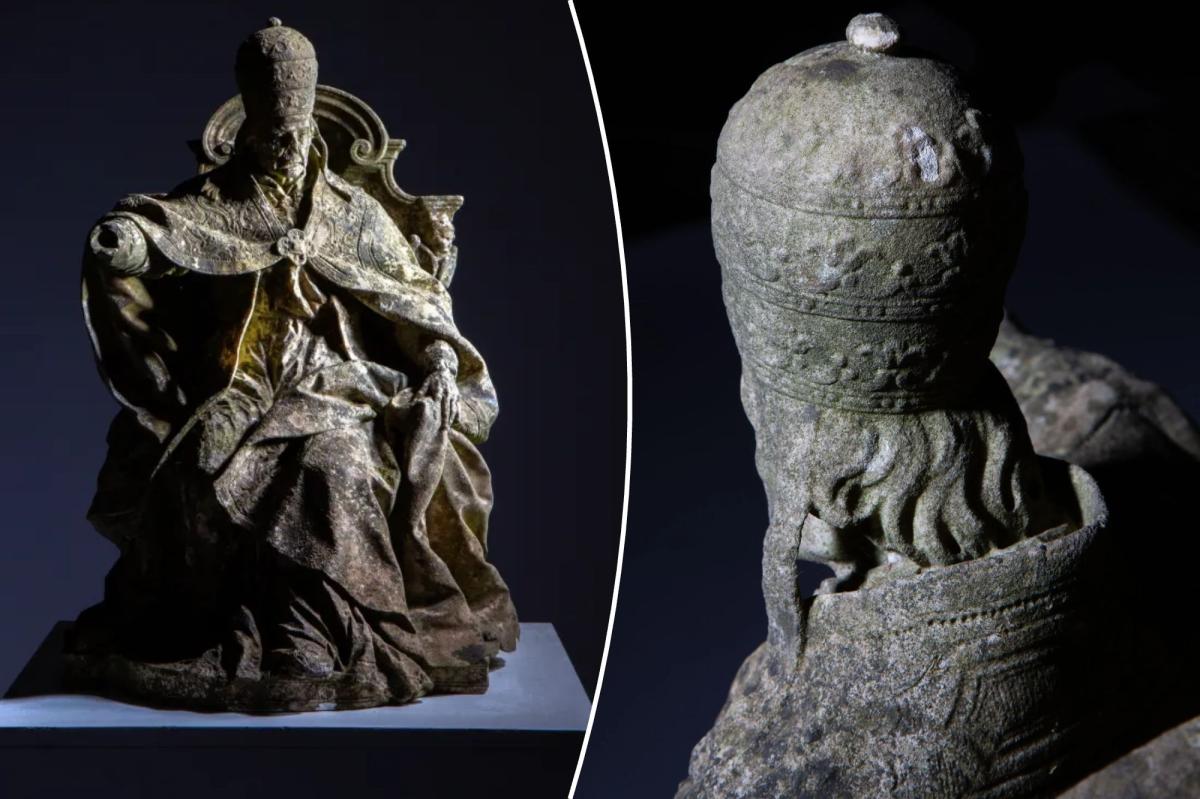
A lost artifact from the Italian sculptor responsible for Rome’s Trevi Fountain was found in a reclamation yard — and could be worth up to $13,270.The 27-inch tall maquette of Pope Clement XII by Pietro Bracci was spotted by a collector at a salvage yard in Wiltshire, England.Pietro Bracci was commissioned by the Roman Senate to execute a bronze portrait of Pope Clement XII commemorating the pope’s donation to the Capitoline Museums.A 27-inch statue of Pope Clement XII was discovered at a salvage yard in Wiltshire, England. Woolley & Wallis / SWNSThe statue was made by Italian artist Pietro Bracci in the 1730s. Woolley & Wallis / SWNSThe statue is expected to be sold for up to about $13,000 at an auction this month. Woolley & Wallis / SWNSThe lot is estimated to fetch between $6,635 and $13,270 when it comes up for auction on Oct. 8, despite only being initially bought for $400.Woolley and Wallis’ furniture specialist Mark Yuan Richards said the artifact — believed to have been completed in the 1730s — “is an exceptionally exciting discovery.He added: “To have a rare eighteenth-century marble figure of Pope Clement XII by Pietro Bracci come to light, and now be offered for sale, is a remarkable opportunity.“Bracci was one of the great sculptors of eighteenth-century Rome, and this extraordinary survivor offers a tangible connection to the world of the papal court and the artistic splendour of the period.”

Oct 07, 2026
Tony DiNozzo's Dramatic Return to NCIS: What Fans Didn't See Coming New

Tony DiNozzo's Dramatic Return to NCIS: What Fans Didn't See Coming

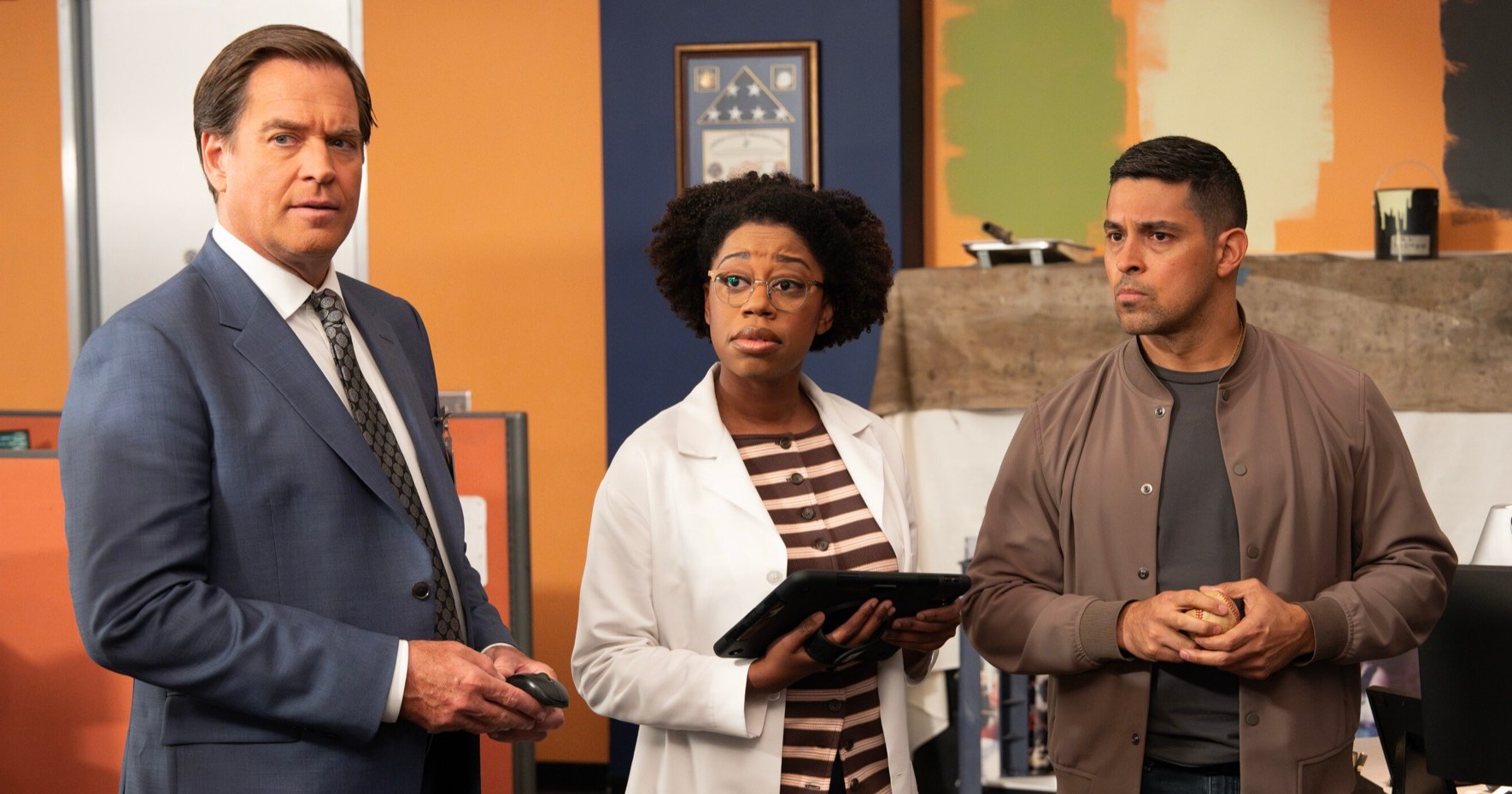
NCIS’ season 24 premiere began with a shooting and ended with a new director that fans didn’t see coming — and Michael Weatherly’s Anthony “Tony” DiNozzo was at the center of it all. Warning: Spoilers below from season 24, episode 1 of NCIS. The new season of NCIS picked up in the dark alley after Nick Torres (Wilmer Valderrama) confronted Timothy McGee’s (Sean Murray) son, Mateo (Patrick Keleher), for seemingly hacking into one of their computers during his visit to headquarters. While viewers heard a gun go off during May’s season 23 finale, fans didn’t know who was shot until the Tuesday, October 6, episode. No, it wasn’t Torres and it wasn’t Mateo. Instead, it was none other than McGee’s former coworker Tony, who just happened to be in the neighborhood at the time of the altercation. “Once it became clear Michael Weatherly was going to come back [as Tony], then the question is, well, ‘What's this man's intro? He deserves something really big,’” showrunner Steven D. Binder exclusively told Us about how Tony’s return came to be, following his exit from NCIS in 2016 after 13 seasons. Binder explained that while they could have had Mateo shoot Torres or Torres shoot Mateo, the writers didn’t find those options “particularly exciting.” “But Tony, that seems pretty fun. Especially the idea that McGee's son shoots Tony. I mean, awkward,” he said with a laugh. During the premiere, McGee was in a total panic when he learned that someone was shot and he couldn’t find Mateo. However, when Tony popped out of the ambulance, he was put at ease — even if it was only for a minute. Tony’s wound wasn’t deep or life threatening, but Mateo was still on the run and no one knew why he took the classified information from NCIS. As the episode progressed, viewers learned that Mateo was used as a way for bad guys to get to the Secretary of the Navy’s (Sec Nav) daughter, whom they kidnapped. McGee, meanwhile, was benched alongside Torres by the new NCIS Deputy Director Gabriel LaRoche (Seamus Dever), who made it clear that things would change under his reign. Tony, who was back in Washington, D.C., to set up a satellite office for his private security company, decided to team up with McGee and Torres to figure out what was going on and protect Mateo. (Tony’s on-again, off-again girlfriend and former NCIS partner Ziva David was revealed to be in the States as well, watching over their daughter, Tali, as she attended a new private school in Boston.) Despite LaRoche’s best efforts to cut the NCIS team off at its knees, the group solved the case and saved Sec Nav's daughter. They also found Mateo and learned who had blackmailed him into stealing from NCIS. As the episode came to an end, Sec Nav (Jillian Armenante) met with Tony and revealed she previously offered him the job of NCIS Deputy Director and he turned it down. Now, however, with LaRoche being fired for his inability to lead, Tony was the top choice — and she wouldn’t take no for an answer. “He is hesitant. I think the Sec Nav says to him, ‘Your country needs you,’” Binder told Us of the surprising job change for Tony. “As much as he's been a goofball and a frat boy and a playboy and whatever — you can say all the bad things about Tony DiNozzo — he has always been an impeccable professional in terms of getting the job done.” The showrunner noted that Tony won’t be “a reluctant director” but he will do it his way. “He's going to get in there. He's going to do it differently. He's going to do it the DiNozzo way,” Binder said. “He's unconventional for sure, but he's going to be professional and he's going to be effective.” While it’s been nearly 10 years since Tony has worked with NCIS in an official capacity, his connection with McGee — he used to call McGee “probie” because he was the new kid when Tony was part of the team — will remain a constant. Binder explained that their past dynamic as “big brother versus little brother he picks on” has shifted now that they are both parents. “McGee's got more experience being the director than Tony has. McGee has been the interim director, so in some ways the tables are turned on these two,” he teased. “Who's the probie now is the way to think about it.” Looking to the rest of the season, Binder told Us that Tony will handle his new job with movie quotes — he even “solves the case because of Goonies” at one point — but will also show more maturity. “The second episode is essentially Tony's first day as director,” he shared. “It's the first time we've seen him. It's not until we get to the third episode that you're really, like, ‘We're back to normal now,’ and even then, you're still trying to figure some stuff out.” NCIS airs on CBS Tuesdays at 8 p.m. ET.

Oct 07, 2026
NYC Home with Ties to $70M Counterfeiting Ring Hits Auction Block New

NYC Home with Ties to $70M Counterfeiting Ring Hits Auction Block

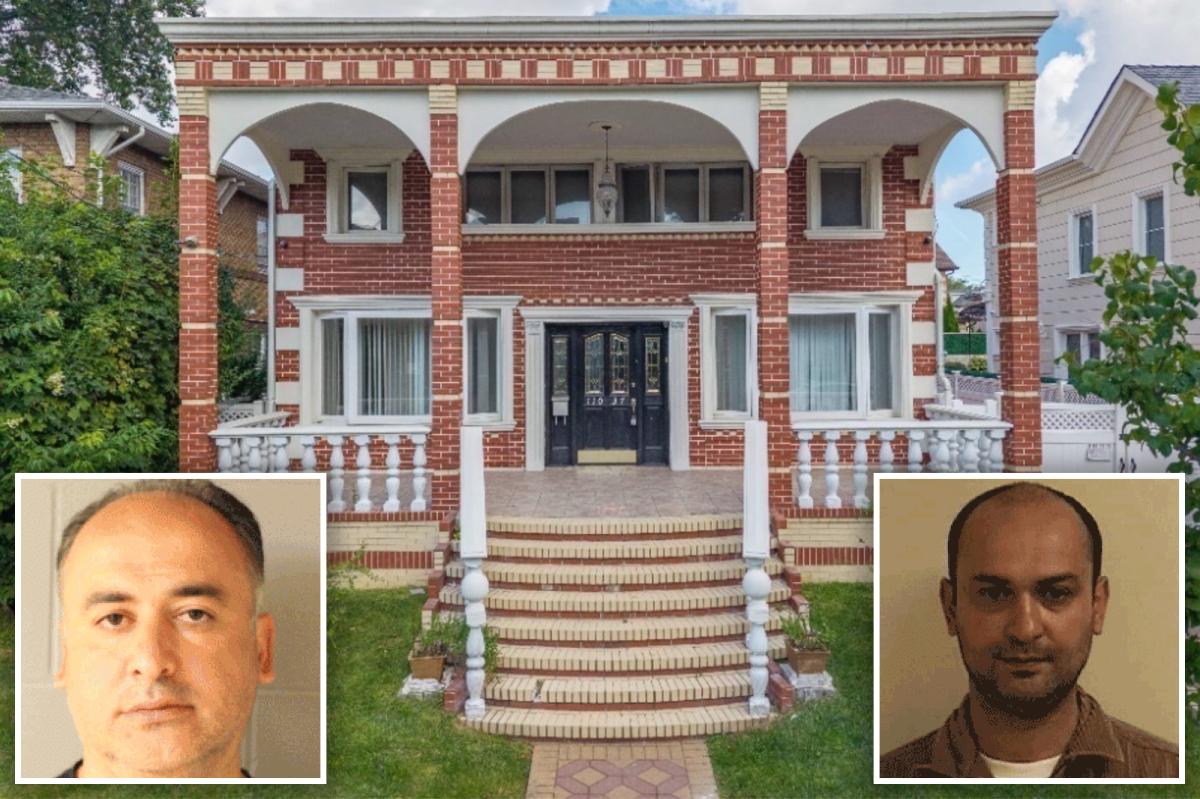
See more of our coverage in your search results. A sprawling Forest Hills home tied to two brothers who helped finance a massive international counterfeit-money operation is hitting the auction block — with Uncle Sam opening the bidding at $900,000 — just $50,000 more than they paid for it more than two decades ago.The five-bedroom Colonial at 110-37 69th Ave. will be sold in an online federal auction on Oct. 23, according to the US Treasury Department, more than a decade after brothers Eduard and Arkadiy Bangiyev were arrested in a sprawling racketeering case involving tens of millions of dollars in fake US currency.The 3,572-square-foot Queens home, built in 1930, has 4½ bathrooms, an enclosed porch, a finished basement with an additional bedroom and bathroom, a sauna and a detached two-car garage. The home is currently valued at a whopping $2.455 million, according to Redfin. The property sits on a roughly 5,000-square-foot lot and will be sold “as is,” according to the government auction listing.The Forest Hills home is heading to federal auction with bidding starting at $900,000. CWS Government AuctionsArkadiy Bangiyev (left) and Eduard Bangiyev (right)But behind the leafy Forest Hills address is a tangled history of counterfeit cash, an alleged $1 million jewelry fraud and years of litigation over who actually owned the property.Eduard and Arkadiy Bangiyev bought the home in 2003 for $850,000 with a $750,000 mortgage, according to a 2023 ruling from the US Court of Appeals for the Fourth Circuit.Beginning in 2004, the brothers participated in a criminal enterprise that manufactured and distributed enormous quantities of counterfeit US currency, according to federal prosecutors and court records.The operation produced high-quality counterfeit notes in Israel and the US and smuggled them into the country concealed inside shipping containers carrying machinery. At its peak, the organization was bringing as much as $3 million in counterfeit currency into the US every three months, according to the Justice Department.More than $80 million in counterfeit currency was ultimately passed or seized around the world in connection with the operation, prosecutors said.Eduard and Arkadiy Bangiyev bought the Queens property for $850,000 in 2003. CWS Government AuctionsThe Bangiyev brothers, who operated a retail jewelry store on Long Island and later a gold-refining business in Manhattan’s Diamond District, helped finance the enterprise and distribute its counterfeit currency, according to federal authorities.Both pleaded guilty in January 2015 to participating in a RICO conspiracy involving counterfeiting and money structuring.Arkadiy was sentenced that September to nine years — 108 months — in federal prison, while Eduard received eight years, or 96 months. As part of their plea agreements, both also agreed to forfeit property derived from or traceable to their racketeering activity.The five-bedroom Colonial spans 3,572 square feet and dates to 1930. CWS Government AuctionsThe Forest Hills house became one of the assets caught up in that forfeiture.But the property’s legal history was complicated by another alleged fraud that was separate from the counterfeit-currency conspiracy.According to the Fourth Circuit, a federal district court found that money used to pay off the home’s mortgage and home-equity lines of credit in 2012 came from a scheme devised by the brothers to defraud a jewelry customer out of $1 million.That alleged scheme was “unrelated to the RICO conspiracy” underlying their later criminal convictions, the appellate court stressed. It instead prompted the federal government to bring civil-forfeiture proceedings in New York in 2009 against the 69th Avenue home and another Forest Hills property.The government dismissed that earlier case in 2011 in exchange for a $662,500 settlement signed by the brothers and their sister, Ilana Bangiyeva, according to the court.The brothers pleaded guilty in 2015 to a counterfeiting-linked RICO conspiracy. CWS Government AuctionsYears later, the ownership of the 69th Avenue home became the subject of another lengthy court fight following the brothers’ RICO convictions.Before their convictions, the deed divided ownership three ways: Arkadiy held one-third; their sister Ilana held another third; and Eduard and his wife, Irina Alishayeva, jointly held the remaining third, according to the Fourth Circuit.Ilana argued that she had legitimately acquired interests in the home and other assets using proceeds from a gold investment she said she made with her brothers.But the district court rejected that account, finding insufficient evidence to establish that the claimed gold investment had produced the money used to acquire the assets. The Fourth Circuit later upheld that finding.The district court ultimately determined that the Forest Hills property provided a “source of influence” over the brothers’ racketeering enterprise and ordered it forfeited.The home later became tied up in years of forfeiture litigation. CWS Government AuctionsThe government wound up with a two-thirds ownership interest in the property, while Alishayeva retained a one-third share.Initially, a federal judge allowed Alishayeva — whose primary residence was the Forest Hills house — to remain there for the rest of her life as long as she remained married to Eduard, leaving the government effectively unable to sell its majority stake.Federal prosecutors appealed.In 2023, the Fourth Circuit sided with the government, ruling that the lower court did not have the authority to prevent the government from exercising the property rights that came with its two-thirds ownership stake. The appeals court vacated that portion of the forfeiture order and sent the case back for further proceedings.Bidding begins at $900,000, with a $150,000 deposit required to participate. The Treasury Department has scheduled public inspections for Oct. 11 and Oct. 18 ahead of the Oct. 23 online sale.

Oct 07, 2026
California Man Arrested in Mexico After Horrific Family Tragedy Unfolds New

California Man Arrested in Mexico After Horrific Family Tragedy Unfolds

A California man who allegedly impregnated his 14-year-old daughter was arrested in Mexico after being wanted in connection with the death of their newborn, authorities said. Mexican authorities confirmed they rescued the teenage girl, according to a Monday, October 5, news release from the Monterey County Sheriff’s Office, which said the FBI was also involved in rescue efforts. “During the rescue operation, Sergio Galvez Perez was arrested after he was found in possession of narcotics,” Monterey County Sheriff Tina Nieto said in a statement. “Mexican authorities are aware of the pending charges against him in Monterey County for crimes committed against [his daughter]. [She] is safe and is currently in the care of local authorities in Mexico.” Perez’s arrest comes after the sheriff’s office revealed the body of a newborn was found along the side of Struve Road in Monterey County on August 1. Investigators learned Perez’s daughter allegedly gave birth to the baby girl on the road, put the infant on the ground and left. Authorities believe Perez was the father of the newborn, referred to as “Baby Angelita.” The baby’s death set off a search for both the 14-year-old and Perez, who was accused of hiding his daughter from law enforcement. Arrest warrants charging the teen with murder and Perez with multiple felonies in connection with the baby’s death were issued, per the sheriff’s office. Nieto said during an August 31 news conference that the infant’s life “was tragically taken.” The sheriff also acknowledged the teen is “a victim because of the sexual abuse by her own father.” The Monterey County District Attorney's Office said they hadn’t decided whether to charge the 14-year-old after arrest warrants were issued, according to CBS News. The district attorney’s office said on September 2, “We recognize that the 14-year-old is a victim of her father's abuse. No child should ever have to endure such horrific circumstances.” Perez is charged with incest, lewd or lascivious acts with a child under 14, lewd acts with a minor, unlawful sexual intercourse, child concealment and child endangerment, according to authorities. The 14-year-old’s mother, Ofelia Garcia Ortega, was previously arrested on a child endangerment charge in connection with the investigation into the baby’s death. She was released from jail after posting bail, according to the sheriff’s office. It was not immediately clear whether Perez or Ortega, 36, had retained legal counsel. The sheriff’s office said a news conference will be held to discuss additional details on the 14-year-old’s rescue and Perez’s arrest in Mexico. “This remains an active investigation. No additional information will be released at this time,” the agency said. If you or someone you know is experiencing child abuse, call or text Child Help Hotline at 1-800-422-4453.

Oct 07, 2026
Usha Vance's Helicopter Stumble with Newborn Sparks Public Response New

Usha Vance's Helicopter Stumble with Newborn Sparks Public Response

Second lady Usha Vance took a tumble while walking down the stairs of a helicopter with her and Vice President JD Vance’s newborn son in her arms. Usha, 40, had 11-week-old son Alec strapped to her chest while at Joint Base Andrews in Prince George’s County, Maryland, on Monday, October 5, per a video shared via X. She was seen holding onto the banister as she nearly fell forward on one of the staircase steps. Usha ultimately regained her footing, turning to the banister before pivoting back and smiling at a nearby officer and patting Alec on the back. The mother-son duo then waited for JD, 42, to exit the aircraft with 4-year-old daughter Mirabel. The couple are also the parents of sons Ewan, 9, and Vivek, 6. Usha and the children were joining JD on a trip to Anchorage, Alaska, where he spoke at a Republican National Committee rally to support Sen. Dan Sullivan. Usha and JD welcomed their fourth child in July. "We are excited to announce that our baby boy, Alec Neel Vance, was born this morning. Usha and the baby are happy and healthy, and our kids are overjoyed to meet their little brother," the pair said in a joint statement shared via X. "The incredible military doctors and staff members of Walter Reed Medical Center and the White House Medical Unit have been a blessing," the announcement continued. "We are deeply thankful for all they have done for our family.” Alec is the first baby born to a sitting vice president in more than 150 years, succeeding Vice President Schuyler Colfax and wife Ellen Wade Colfax’s child Schuyler Colfax III, during Ulysses S. Grant’s presidency in 1870. In September, Usha made headlines when she shared that their newborn son has a secret service detail — which she said is “sort of an absurdity because he’s always attached to me.” “It’s different to wonder whether people are watching when you’re struggling with some of the things that any parent of any newborn struggles with,” Usha said of raising Alec in the public eye. “But people have been really wonderful about it.” She continued, “Either they don’t notice me because I think it’s sort of an unexpected thing to be in their bagel shop or coffee shop or library or whatever — they’re not looking for me in that kind of environment. And when they have noticed, it’s only been to be congratulatory, say something sweet about the baby, that sort of thing.”

Oct 07, 2026
The Choice That Reveals Your True Personality: Who Sits in the Chair? New

The Choice That Reveals Your True Personality: Who Sits in the Chair?

Imagine you are in a crowded waiting room. There is only one empty chair left, and four people who could really use a rest. Who gets the seat?There is no wrong answer here, but your choice might reveal a little bit about your personality and how you view the world!Option 1: The Pregnant WomanIf you picked the pregnant woman, you are a deeply caring and empathetic soul. You always think about the future and naturally protect those who are carrying new life into the world.You probably remember birthdays, check in on your friends when they are feeling down, and always make sure everyone around you is comfortable. You have a heart of gold!Option 2: The Elderly GentlemanIf you chose the old man, you are someone who deeply values respect, tradition, and wisdom. You believe in honoring those who came before us and showing kindness to our elders.You are likely a patient, polite, and practical person who appreciates old-school manners and strong morals. For you, respect is non-negotiable!Option 3: The Injured ManIf you went with the man on crutches with a broken leg, you are a problem solver with a strong sense of fairness and logic. You looked at the situation and thought, “He literally can’t stand without pain right now!”You are action-oriented, helpful in emergencies, and always ready to lend a hand when someone is in immediate physical need.Option 4: The Mother with a BabyIf you picked the mother holding her newborn baby, you are a warm, nurturing person who prioritizes safety and comfort for the most vulnerable.You understand how tiring it is to hold a baby while standing, and you naturally step up to support tired parents. You bring comfort, joy, and peace wherever you go.So, what was your choice?Did you go with 1, 2, 3, or 4? Share your answer in the comments below and tag a friend to see what their choice reveals about them!

Oct 07, 2026
Israeli Hospital's Unseen Chaos Revealed in New Oct. 7 Footage New

Israeli Hospital's Unseen Chaos Revealed in New Oct. 7 Footage

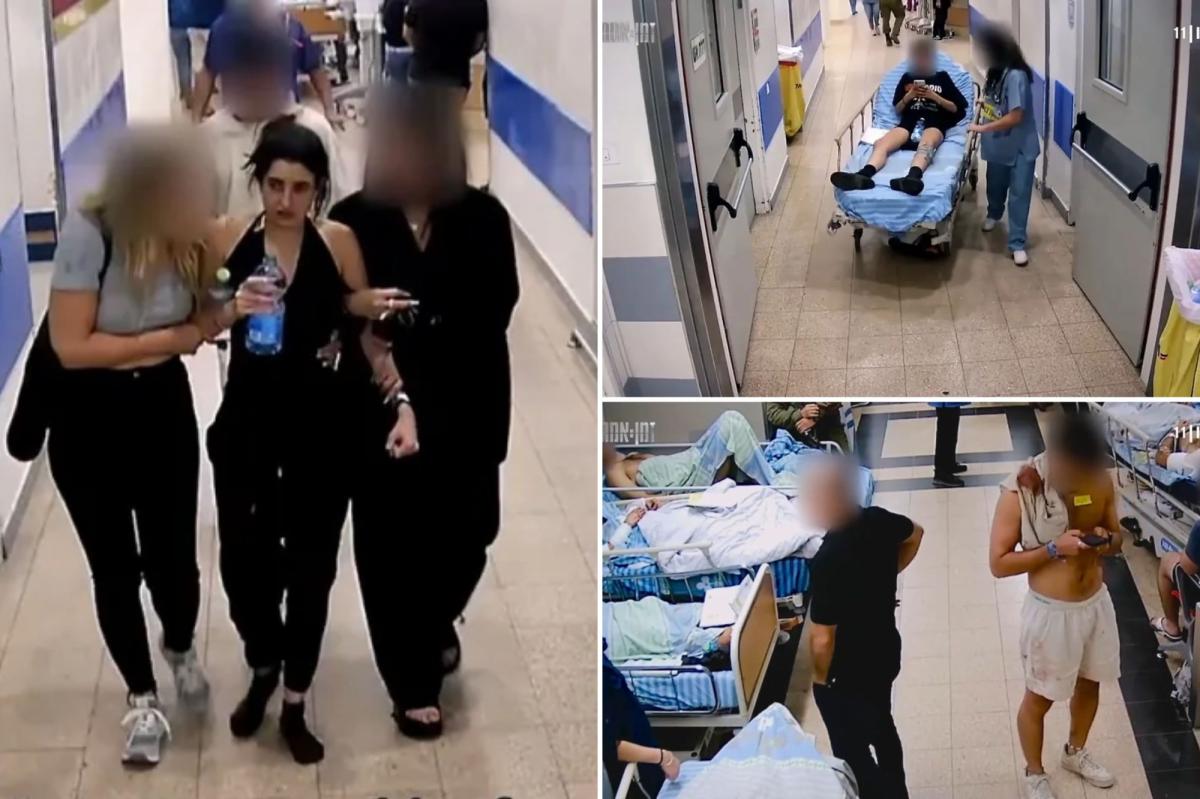
See more of our coverage in your search results. They had prepared for the worst — only to discover they didn’t know the meaning of the word.Gut-wrenching newly released security footage from inside an Israeli hospital captures the chaos and heroism on Oct. 7, 2023 — as hundreds of traumatized and bloodied victims of Hamas’ sneak attack poured through its doors. The footage shows wounded soldiers and civilians rushing through Soroka Medical Center as doctors and nurses scramble to treat the patients, who ranged from babies to elderly Israelis to young revelers shot at the Nova music festival — and even a heavily pregnant mom.Survivors from the Nova Music Festival Oct. 7 terror attack are treated at a hospital in Israel.“At some point you realize you’re not seeing a terror attack, you’re seeing a massacre,” Prof. Shlomi Codish, CEO of Clalit-Soroka Medical Center in Beersheba, told The Post on the eve of the attack’s third anniversary.The hospital, the only Level 1 trauma center in southern Israel, treated a staggering 674 wounded in the first 24 hours after the terror attack — more than five times the 121 casualties from the largest mass-casualty incident it had previously faced.“The maximum number we practiced for was 300,” Codish said. “We do drills to 300, which is considered a fantastic number that we’ll never see.”The hospital’s emergency protocols kicked in almost immediately after the attack began, with Soroka ordering 100 additional units of blood and summoning more than 1,000 staffers before 8 a.m.“If we hadn’t done that, people would have died,” Codish said of the blood order.By the time hospital leaders arrived, it was becoming clear that this was unlike anything they had prepared for.The hospital, the only Level 1 trauma center in southern Israel, treated a staggering 674 wounded in the first 24 hours after the terror attack.“If you take the wildest horror director somewhere, they’re not going to come up with this scenario,” Codish said.The hospital’s first operation was on a Bedouin Muslim woman in her 20s who was more than 40 weeks pregnant with her first child when she was shot in the abdomen.Doctors saved the woman and delivered her daughter during emergency surgery, but the baby died 14 hours later.“This is evil beyond what you can comprehend,” Codish said. “When you shoot someone with a gun, you see who you’re shooting. Someone deliberately shot a very pregnant young woman, not a soldier, who also happened to be Muslim.”Later, soldiers brought in two babies without their parents after finding the infants alive in a room where their mother and father had been killed nearby, Codish said.The hospital’s first operation was on a Bedouin Muslim woman in her 20s who was more than 40 weeks pregnant with her first child when she was shot in the abdomen.Another patient arrived in shock after watching his wife and son murdered in front of him inside a shelter at a kibbutz. He ultimately lost a leg.“Beyond the bodily wound, how do you fathom this?” Codish said. “How does your mind wrap itself around that?”The previously unreleased hospital surveillance footage was broadcast this week in “The Shift,” an episode of the investigative program “Zman Emet” on KAN 11, Israel’s public broadcaster.The documentary draws on cameras throughout the hospital to show the medical center as the magnitude of the attack gradually became apparent.In one scene, 23-year-old Golani soldier Noam is rushed down a Soroka corridor with a devastating leg injury when his father, Avraham, spots him on the stretcher.The father runs alongside his son and manages to kiss him before doctors rush him into the trauma room. Noam survived but lost his leg.The previously unreleased hospital surveillance footage was broadcast this week in “The Shift,” an episode of the investigative program “Zman Emet” on KAN 11, Israel’s public broadcaster.Meanwhile, Soroka was running out of room.The 1,200-bed hospital was already largely occupied when the wounded began arriving, forcing administrators to send hundreds of existing patients home or to other hospitals, turn internal medicine wards into surgical wards and convert open spaces into intensive-care areas.Hundreds of frantic relatives also descended on the hospital searching for loved ones who had vanished during the attack.“No one realized we had so many dead people in the field,” Codish said. “The heartbreaking realization over the next 24 hours was: They’re not here.”By 6 a.m. the following morning, Soroka had identified every anonymous patient in its care, but desperate families were still holding out hope.The documentary draws on cameras throughout the hospital to show the medical center as the magnitude of the attack gradually became apparent.“As I walked down the hospital, there were ‘Have you seen?’ signs everywhere, which really reminded us of post-9/11,” Codish said.Soroka officials knew by then that the people pictured on the posters were not among their unidentified patients, but they left the signs hanging.“It was the only remnant of hope that people had,” Codish said.Hospital staff photographed the posters and later learned what happened to the people pictured on them.“Every single one of them was dead,” he said.Eighteen people died at Soroka that day — 11 who arrived dead and seven who died during treatment.“Every hour went by, it became apparent that this is the worst we’ve ever seen,” Codish said. “And then the next hour proved that it could be worse.”

Oct 06, 2026
Kaleb's Inspiring Legacy: The Truth Behind Viral Claims New

Kaleb's Inspiring Legacy: The Truth Behind Viral Claims

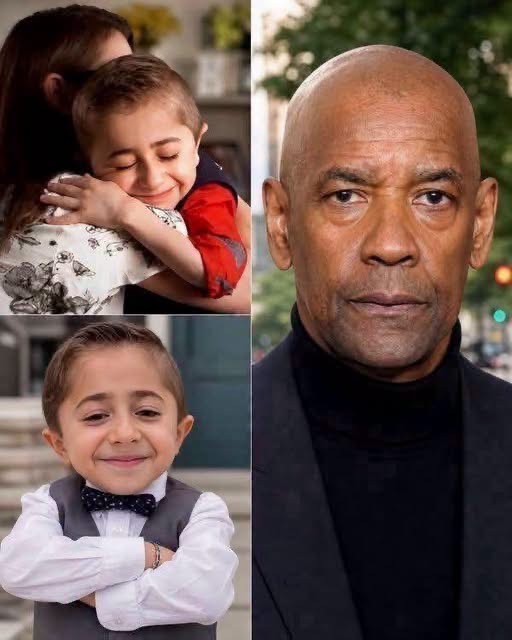
The life of Kaleb, a young man who served as a national ambassador for Shriners  Children’s, remains a testament to profound courage and an unwavering spirit in the face of significant physical adversity. Born with osteogenesis imperfecta, commonly known as brittle bone disease, Kaleb navigated a childhood defined by medical challenges, enduring more than 200 bone fractures throughout his life. Despite the constant cycle of surgeries and intensive physical therapy, he chose to dedicate his time to supporting others who faced… Continue Reading Hospitals & Treatment Centerssimilar struggles. His role as an ambassador allowed him to become a beacon of hope for thousands of  families, as he consistently used his platform to advocate for  children managing serious illnesses. Kaleb was widely admired for his radiant smile and a quiet, steady confidence that seemed to transcend his medical condition. He did not allow his diagnosis to dictate the boundaries of his future, choosing instead to transform his personal pain into a source of comfort and guidance for those navigating their own difficult journeys within hospital walls and beyond. His advocacy work left an indelible mark on the community of patients, families, and medical professionals who witnessed his resilience firsthand. The impact of his leadership continues to be felt by those he mentored and encouraged during his time as a representative for the organization.In recent times, social media platforms have circulated claims regarding a supposed final message sent to Kaleb by actor Denzel Washington. These narratives often describe a haunting or desperate communication that allegedly occurred during the boy’s final moments. It is important to note that these viral claims lack any verifiable evidence or official confirmation. There is no documented record of such an interaction, and the reports appear to be part of an unconfirmed social media narrative rather than a factual account of events. While the story has resonated deeply with many online, it is essential to distinguish between these emotive, unverified internet reports and the documented reality of Kaleb’s life and work. The proliferation of such claims often occurs in digital spaces where emotional storytelling can easily outpace the verification of facts, leading to widespread confusion about the nature of the relationship between public figures and private individuals.The focus of those who knew Kaleb remains on his genuine contributions to the lives of others and his steadfast commitment to the mission of Shriners  Children’s. His legacy is defined by his ability to offer empathy and strength to frightened children and exhausted parents, effectively creating a lifeline for those who felt isolated by their medical circumstances. By consistently speaking with a maturity that humbled those around him, he redefined traditional concepts of strength, proving that true power resides in the ability to remain kind and purposeful despite significant hardship. He understood that his visibility as an ambassador was not for his own benefit, but for the benefit of every child who looked at his story and saw a reflection of their own potential for resilience.As the public reflects on his life, the emphasis remains on the authenticity of his advocacy and the genuine connections he fostered. The viral nature of the unverified claims surrounding his passing serves as a reminder of how quickly information can be distorted in digital spaces, often overshadowing the actual history of an individual’s life. Kaleb’s true story is one of a young person who, despite the fragility of his own bones, built a foundation of support that benefited countless others. His dedication to the Shriners Children’s community remains the most accurate and meaningful aspect of his public record, reflecting a life lived with intentionality and grace. The narrative of his life is not found in sensationalized internet rumors, but in the medical records, the public appearances, and the countless hours of therapy he endured with grace.The latest known status confirms that Kaleb has passed away, leaving behind a legacy of advocacy that continues to be honored by those who were touched by his spirit. While the internet may continue to generate speculative content regarding his final days, the verifiable facts of his life—his battle with osteogenesis imperfecta, his role as a national ambassador, and his unwavering dedication to helping other children—stand as the true pillars of his memory. He is remembered as a resilient leader who transformed his own suffering into a profound message of solidarity, ensuring that no  child felt they had to face their illness alone. His journey, marked by both fragility and immense strength, continues to inspire those who carry on the mission of supporting pediatric  health and well-being, serving as a reminder that even the shortest lives can leave a permanent imprint on the world.If you have ever spent time inspecting the exterior of your modern vehicle, you might have noticed a small, seemingly decorative square or circular panel integrated into the front bumper. While it may appear to be a simple aesthetic feature or a plastic plug intended to cover an assembly hole, this small component actually serves a vital purpose in the event of an emergency. It is a concealed access point for your car’s primary recovery and towing… Continue Reading

Oct 06, 2026
The Shocking Mistakes in Little House on the Prairie Fans Never Noticed New

The Shocking Mistakes in Little House on the Prairie Fans Never Noticed

Home News Little-known mistakes and bloopers in Little House on the Praire Don’t let the nostalgia fool you. Behind the soft sunsets and wholesome speeches, Little House on the Prairie was full of wild mistakes, off-screen drama, and moments that would never pass today. From Laura’s impossible pregnancy to Nellie’s painful curls and a shocking betrayal that broke a young girl’s heart, the truth behind Walnut Gro… Continues… Related Posts This Unusual House Costs Just $65,000 but Its Stunning Exterior Hides a Surprising Interior SecretImagine driving through a quiet neighborhood when something extraordinary catches your attention. Sitting on a grassy hill is a house unlike anything around it. With sweeping curves,… This Unusual House Costs Just $65,000 but Its Stunning Exterior Hides a Surprising Interior SecretThe house’s most remarkable feature is undoubtedly its architecture. Inspired by Art Deco design, the exterior combines rounded walls, dramatic windows, geometric shapes, and a tower-like structure… Why More People Are Rethinking Toilet Paper and Choosing Greener Bathroom HabitsFor decades, we never questioned it. We tore, wiped, flushed, and bought another pack. But the roll that ruled our bathrooms is suddenly on trial. Trees, water,… If You Ever Spot This Insect, Get Rid of It Immediately!It may look beautiful, with dark spots on its wings and flashes of bright red underneath, but the spotted lanternfly is an invasive insect that can harm plants and… Remembering Kaleb: The Legacy of a Resilient Shriners Children’s Ambassador and His Enduring ImpactThe life of Kaleb, a young man who served as a national ambassador for Shriners  Children’s, remains a testament to profound courage and an unwavering spirit in the… These are the consequences of sleeping with…See moreSleeping with the wrong person can lead to emotional turmoil that lingers long after the physical encounter is over. When intimacy is shared with someone who doesn’t…

Oct 06, 2026
Dogs Heroically Face Giant Python to Save Their Owner New

Dogs Heroically Face Giant Python to Save Their Owner

Home News Panic as Several Dogs Confront Giant Python to Protect Their Owner A man lies helpless in the dust, a giant python crushing the air from his lungs. His dogs are screaming at the snake, lunging, retreating, desperate to save him. Chaos explodes in the quiet countryside. No one knows how it started. No one knows how it will end. The camera shakes, the python tightens, the dogs closing in, the man’s body barely mo… Continues… Related Posts This Unusual House Costs Just $65,000 but Its Stunning Exterior Hides a Surprising Interior SecretImagine driving through a quiet neighborhood when something extraordinary catches your attention. Sitting on a grassy hill is a house unlike anything around it. With sweeping curves,… This Unusual House Costs Just $65,000 but Its Stunning Exterior Hides a Surprising Interior SecretThe house’s most remarkable feature is undoubtedly its architecture. Inspired by Art Deco design, the exterior combines rounded walls, dramatic windows, geometric shapes, and a tower-like structure… Why More People Are Rethinking Toilet Paper and Choosing Greener Bathroom HabitsFor decades, we never questioned it. We tore, wiped, flushed, and bought another pack. But the roll that ruled our bathrooms is suddenly on trial. Trees, water,… If You Ever Spot This Insect, Get Rid of It Immediately!It may look beautiful, with dark spots on its wings and flashes of bright red underneath, but the spotted lanternfly is an invasive insect that can harm plants and… Little-known mistakes and bloopers in Little House on the PraireDon’t let the nostalgia fool you. Behind the soft sunsets and wholesome speeches, Little House on the Prairie was full of wild mistakes, off-screen drama, and moments… Remembering Kaleb: The Legacy of a Resilient Shriners Children’s Ambassador and His Enduring ImpactThe life of Kaleb, a young man who served as a national ambassador for Shriners  Children’s, remains a testament to profound courage and an unwavering spirit in the…

Oct 06, 2026